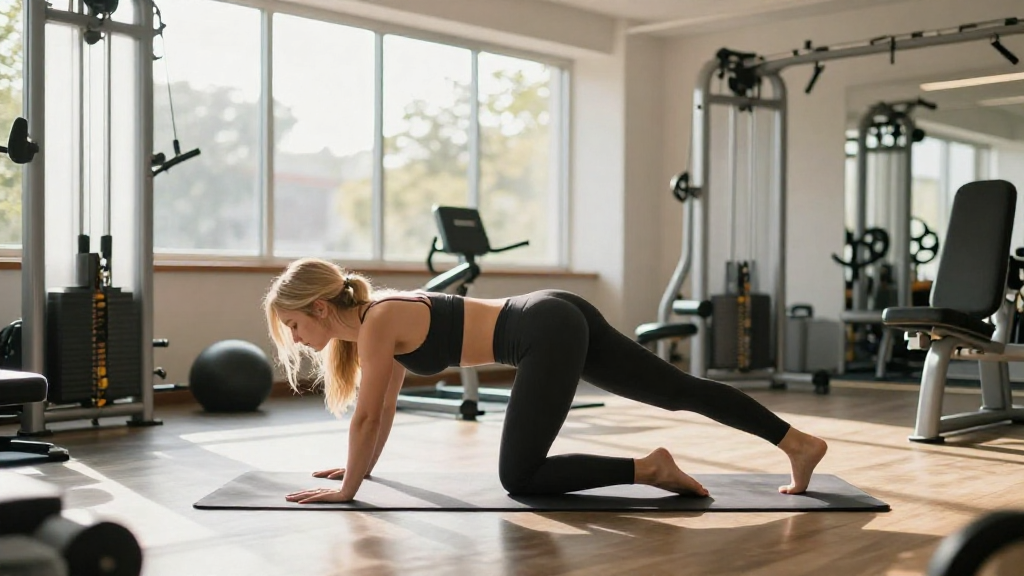
Understanding the interaction between fitness and hormonal health is crucial for anyone looking to optimize their physical and mental well-being.
How Does Fitness Impact Hormonal Health?
When we talk about fitness and hormonal health, it’s essential to recognize how interconnected these two aspects are.
Regular physical activity does not just sculpt your body; it plays a significant role in regulating hormones.
From insulin levels to stress hormones, exercise influences a variety of hormonal pathways that are vital for maintaining overall health.
Which Hormones Are Affected by Fitness?
-
Insulin:
– Fitness enhances insulin sensitivity, aiding in better glucose management.
– This can help prevent conditions like Type 2 diabetes and manage weight. -
Cortisol:
– Often termed the “stress hormone,” cortisol can wreak havoc on your body when levels are too high.
– Regular physical activity can help lower cortisol levels and reduce stress. -
Testosterone and Estrogen:
– For both men and women, fitness helps regulate testosterone and estrogen levels, which in turn influences muscle mass, energy levels, and libido.
– High-intensity workouts can boost testosterone levels, contributing to improved performance and well-being. -
Endorphins:
– Known as the “feel-good” hormones, endorphins are released during physical activity.
– This creates a sense of euphoria often referred to as the “runner’s high,” which can alleviate feelings of depression and anxiety.
Can Exercise Help Balance Hormones?
Absolutely! One of the most effective ways to promote fitness and hormonal health is through consistent exercise.
Regular workouts provide numerous benefits, including:
- Improved Mood:
-
Exercise releases endorphins, which enhance mood and combat stress.
-
Better Sleep:
-
Quality sleep stabilizes hormone levels, and exercise contributes to improved sleep patterns.
-
Weight Management:
-
Maintaining a healthy weight can prevent hormonal imbalances, particularly in insulin and leptin.
-
Enhanced Metabolism:
- Efficient metabolism is essential for hormonal balance and overall health.
What Types of Exercise Are Most Beneficial?
-
Aerobic Exercise:
– Activities like running, swimming, and cycling improve cardiovascular health and can enhance insulin sensitivity. -
Strength Training:
– Lifting weights not only builds muscles but can also regulate key hormones such as testosterone and growth hormone. -
Yoga and Stretching:
– Incorporating mindfulness and flexibility training can help lower cortisol levels and enhance overall hormonal health. -
HIIT (High-Intensity Interval Training):
– This type of training can lead to significant improvements in insulin sensitivity and boost overall metabolic health.
Why Is Strength Training Important for Hormonal Balance?
Strength training plays a critical role in fitness and hormonal health for several reasons:
- Muscle Mass:
-
Increased muscle mass boosts metabolism and enhances insulin sensitivity.
-
Hormonal Release:
-
Lifting weights triggers the release of hormones such as testosterone and growth hormone, vital for recovery and muscle growth.
-
Body Composition:
- A better body composition (higher muscle-to-fat ratio) can lead to more stable hormone levels.
How Does Stress Impact Fitness and Hormonal Health?
Stress is one of the major disruptors of hormonal balance.
Chronic stress raises cortisol levels, which can negatively impact:
- Weight:
-
Increased cortisol can lead to weight gain, particularly around the abdomen.
-
Fatigue:
-
Stress can sap energy levels, making it difficult to maintain a regular fitness routine.
-
Digestive Health:
- Elevated cortisol can disrupt gut health, influencing hormones related to appetite and digestion.
How Can You Manage Stress to Benefit Your Hormonal Health?
-
Mindfulness and Meditation:
– Incorporating techniques such as yoga or meditation can significantly reduce stress and lower cortisol levels. -
Balanced Nutrition:
– A diet rich in antioxidants and healthy fats can combat stress and support hormonal balance. -
Regular Exercise:
– Consistency in physical activity can help manage stress effectively. -
Adequate Sleep:
– Prioritizing sleep is crucial for hormonal recovery.
What Diet Supports Fitness and Hormonal Health?
Nutrition is paramount in maintaining both fitness and hormonal health.
Here are some recommendations to consider:
- Healthy Fats:
-
Include sources like avocados, nuts, and olive oil, which support hormone production.
-
Lean Proteins:
-
Chicken, fish, legumes, and plant-based proteins aid muscle recovery and growth.
-
Fruits and Vegetables:
-
Rich in vitamins and minerals, these foods promote overall health and hormonal balance.
-
Whole Grains:
- Choose quinoa, brown rice, and oats for stable energy levels and to prevent blood sugar spikes.
How Important Is Hydration for Hormonal Health?
Hydration often goes overlooked in discussions of fitness and hormonal health, but it is crucial.
- Fluid Balance:
-
Proper hydration regulates bodily functions, including hormonal transport and synthesis.
-
Energy Levels:
-
Dehydration can lead to fatigue, making it difficult to maintain an active lifestyle.
-
Metabolic Function:
- Water is important for metabolic processes, including those that involve hormones.
Conclusion: How Can You Achieve Optimal Fitness and Hormonal Health?
The relationship between fitness and hormonal health is intricately connected.
To achieve optimal results:
-
Incorporate a variety of exercises: Combine aerobic, strength, and flexibility workouts.
-
Prioritize nutrition: Focus on whole, nutrient-dense foods for hormonal support.
-
Manage stress: Utilize mindfulness practices and cultivate healthy relationships.
-
Stay hydrated: Don’t underestimate the power of water for overall health and hormone balance.
By taking a holistic approach, you can effectively improve your fitness and hormonal health, ultimately leading to a better quality of life.
Make a commitment today to invest in your physical fitness and hormonal health for a brighter, healthier future.