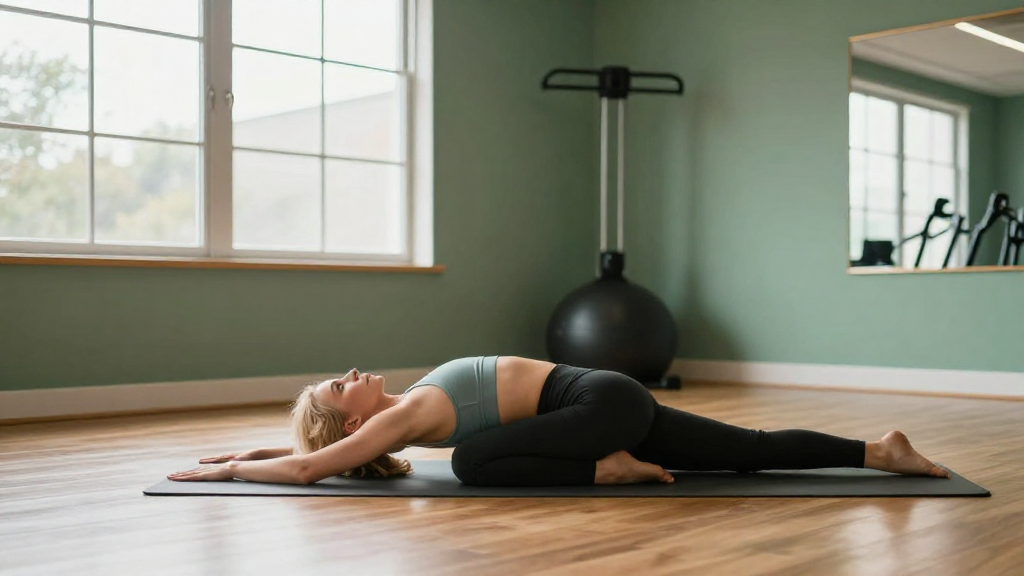
As you navigate the exciting decade of your 30s, understanding how to optimize your fitness in your 30s is essential for long-term health and wellness.
In this article, we will explore practical fitness tips that work best for you during this dynamic stage of life.
Why is Fitness in Your 30s Important?
Entering your 30s often marks a significant transition in both personal and professional dimensions.
Often, busy work schedules, family commitments, and social obligations can push fitness to the back burner.
However, maintaining fitness in your 30s is crucial to counteract natural age-related changes and to ensure that you establish healthy habits that will carry you into later decades.
Fitness plays a vital role in:
- Boosting energy levels
- Improving mental health
- Enhancing quality of life
- Preventing chronic diseases
What Types of Workouts Should You Focus On?
The key to maintaining your fitness in your 30s is to adopt a balanced workout routine.
1. Cardiovascular Health: How Much Cardio is Enough?
Aim for at least 150 minutes of moderate aerobic activity per week, which can include:
- Brisk walking
- Cycling
- Swimming
- Jogging
Tip: Incorporate high-intensity interval training (HIIT) workouts once or twice a week for maximum calorie burn and to keep your workouts fresh.
2. Strength Training: Why is It Essential?
Strength training becomes increasingly important as you age.
By incorporating weight training at least twice a week, you can:
- Build muscle mass
- Increase metabolism
- Improve bone density
- Enhance joint support
Focus on:
- Free weights
- Resistance bands
- Bodyweight exercises
Tip: Target all major muscle groups to ensure a well-rounded fitness routine.
Is Flexibility and Mobility Crucial at This Age?
Absolutely! As you age, maintaining flexibility and mobility becomes key to injury prevention.
1. Incorporate Stretching into Your Routine: What Stretches Work Best?
Dynamic stretching before workouts and static stretching afterward will improve flexibility.
Focus on:
- Hamstring stretches
- Quadriceps stretches
- Hip openers
- Shoulder stretches
Tip: Yoga or Pilates classes are excellent ways to enhance flexibility while also providing a mental reset.
2. Listen to Your Body: How to Know When to Rest?
Pay attention to any lingering pain or discomfort.
Recovery days are just as essential as workout days to prevent overtraining and injuries.
Incorporate activities like:
- Light walking
- Gentle yoga
- Foam rolling for muscle recovery
How Important is Nutrition During This Decade?
Nutrition plays a pivotal role in your fitness in your 30s.
1. What Should Your Diet Look Like?
Focus on whole foods that nourish your body.
Key components of a balanced diet include:
- Lean proteins: Chicken, fish, beans, legumes
- Fruits and vegetables: Aim for a colorful variety
- Whole grains: Quinoa, brown rice, whole wheat bread
- Healthy fats: Avocado, nuts, seeds, olive oil
Tip: Stay hydrated by drinking plenty of water, and limit sugary drinks and alcohol.
2. How Do Portion Sizes Matter?
With changing metabolism, be mindful of portion sizes.
Consider using smaller plates and measuring serving sizes to prevent overeating.
What Role Does Mental Wellbeing Play in Fitness?
Mental wellbeing is an often-overlooked aspect of fitness in your 30s.
1. How Can You Manage Stress Effectively?
Chronic stress can hinder your physical progress.
Engage in activities that promote mental health, such as:
- Mindfulness meditation
- Breathing exercises
- Journaling
Tip: Schedule “me time” regularly, allowing yourself to unwind and recharge.
2. What Effect Does Sleep Have on Fitness?
Never underestimate the power of a good night’s sleep.
Aim for 7-9 hours of sleep each night to aid recovery, improve mood, and regulate metabolic functions.
3. How to Stay Motivated During Tough Times?
Set realistic and achievable fitness goals.
- Break your goals into smaller milestones.
- Keep track of your progress.
- Surround yourself with supportive friends and a community that shares your fitness goals.
What Common Mistakes Should You Avoid?
Being aware of common pitfalls can help you to maintain your fitness efficiently.
1. Are You Overcommitting?
When life gets busy, don’t sacrifice your health.
Opt for shorter, more intense workouts that fit into your schedule.
2. Skipping Recovery Days: Why is Rest Important?
Pushing through fatigue can lead to injuries and burnout.
Prioritize scheduled rest days to allow your body time to heal and rebuild.
3. Neglecting Regular Health Check-ups
Regular visits to your healthcare provider can catch potential issues early.
Include routine screenings, blood tests, and wellness check-ins as part of your health maintenance plan.
Conclusion: What’s the Takeaway for Fitness in Your 30s?
Embracing fitness in your 30s is about creating a mindful and sustainable approach to your health.
Focus on a balanced mix of cardiovascular, strength, flexibility, and mental wellness activities.
Experiment with different methods, track your progress, and don’t hesitate to adjust your strategies to better fit your lifestyle and evolving needs.
By committing to these practical fitness tips, you’ll pave the way for a healthier, happier decade and beyond.