Finding the right upper body ergometer for rehab can make home recovery safer, more consistent, and easier to stick with.
Below, we’ve rounded up 10 options that balance comfort, resistance control, portability, and rehab-friendly design for different needs and budgets.
Best 10 Upper Body Ergometer for Rehab Picks for 2026
Commercial-Grade Refurbished UBE
SciFit PRO 1000 Upper Body Ergometer

- Bi-directional arm cycle for balanced training
- 200 resistance levels and 12 programs
- Wheelchair-accessible, removable-seat design
Best For: Clinic-style rehab and adaptive training
Compact Home Rehab Pedaler
MOMODA Arm and Leg Exercise Bike
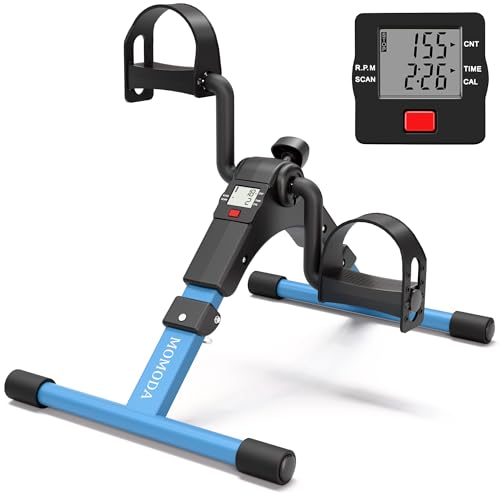
- Low-impact exercise for arms and legs
- 5 manual resistance levels
- Foldable, lightweight design with LCD monitor
Best For: Gentle daily rehab at home
Portable Tabletop Arm Trainer

- Tabletop arm and shoulder rehab design
- 4 motion modes plus adjustable resistance
- Suction cups help secure it on hard surfaces
Best For: Targeted arm therapy at home or office
Quiet Magnetic Recovery Bike
DeskCycle MagneTrainer-ER Mini Exerciser

- Smooth magnetic resistance with quiet operation
- Step-less dial for precise progression
- Works as both arm and leg exerciser
Best For: Precise, low-noise rehab and mobility work
Stability-Focused Rehab Pick
Arm Bike for Physical Therapy with Additional Handle

- Large suction cups improve stability during use
- Adjustable resistance supports rehab progression
- Built for seniors, stroke, and Parkinson's recovery
Best For: home upper-body rehab with a stable, simple setup
Compact Desk Rehab Option
Under Desk Bike Pedal Exerciser with LCD

- Tracks time, count, RPM, and calories burned
- Adjustable resistance supports rehab and beginner use
- Foldable design stores easily under a desk or beside a sofa
Best For: small-space rehab and light arm or leg exercise
Attachment Upgrade Pick
MagneTrainer Ergonomic Hand Pedals
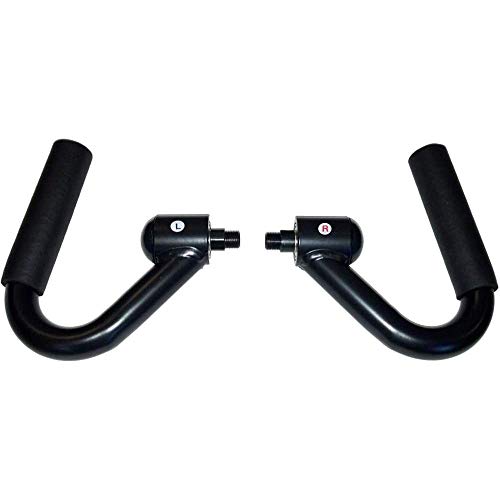
- Ergonomic shape supports natural hand placement
- Built with sealed bearings and metal construction
- Works with MagneTrainer for forward or backward pedaling
Best For: MagneTrainer users seeking a rehab-focused hand pedal upgrade
Compact Desk Pedaler
Vaunn Under Desk Bike Pedal Exerciser

- Lower-height design works better for desk-top arm use.
- Adjustable tension knob controls resistance level.
- Foldable and lightweight for easy storage.
Best For: Light rehab routines and seated arm or leg movement
Stability-Focused Rehab Bike
Pedal Exerciser Bike for Seniors

- Adjustable handle and pedal resistance support rehab use.
- Height and length settings help fit different users.
- Triangular base and suction cups add stability.
Best For: Seniors and recovery users who need a stable seated trainer
Adjustable Total-Body Trainer

- Resistance bands add upper-body stretching options.
- Adjustable height and base length improve fit.
- Sturdy frame and suction cups help keep it stable.
Best For: Stroke recovery and home rehab with pedal plus band training
Commercial-Grade Refurbished UBE – SciFit PRO 1000 Upper Body Ergometer
If you need an upper body ergometer for rehab that feels more like clinic-grade equipment than a basic home pedal unit, the SciFit PRO 1000 is built for that role. Its refurbished commercial design, bi-directional arm cycling, and wheelchair-accessible setup make it a strong fit for structured recovery and adaptive training.
Best For: Rehab settings, wheelchair access, and users who want a refined, adjustable upper-body cardio machine with commercial features.
Pros:
- Refurbished and remanufactured with new belts, bearings, electronics, and restored console
- Bi-directional arm movement helps support balanced muscle development
- 200 resistance levels with 12 programs for fine-tuned progression
- Removable seat and wheelchair-accessible design add rehab flexibility
Cons:
- Refurbished unit appearance may vary slightly by machine
- LTL freight and refurbished returns follow Amazon policy details
This is the most substantial option in the group, especially if you want a commercial-style upper body ergometer for rehab with broad adjustability and long-term value. The tradeoff is that it is a refurbished product, so buyers should be comfortable with that category before ordering.
Compact Home Rehab Pedaler – MOMODA Arm and Leg Exercise Bike
MOMODA Pedal Exerciser Leg and Arm Exercise Bike with LCD Monitor Foldable (Black/Blue)
Check Price On AmazonFor shoppers looking for a simple upper body ergometer for rehab without a large footprint, this MOMODA pedal exerciser is a practical entry-level option. It supports low-impact arm and leg exercise, and the manual resistance knob makes it easy to keep intensity light during recovery work.
Best For: Light home rehab, older adults, and anyone who wants a compact arm-and-leg exerciser for easy daily movement.
Pros:
- Low-impact arm and leg cycling for knee, shoulder, and recovery exercise
- Manual resistance knob with 5 levels for simple adjustment
- LCD monitor tracks time, count, RPM, and calories
- Foldable and lightweight for easy storage
Cons:
- Lower max weight recommendation limits heavier use
- Basic resistance range may be too limited for advanced rehab needs
This model works best when portability and simplicity matter more than advanced training features. It is a budget-friendly way to add gentle upper-body movement to a rehab routine, but it is not as robust or specialized as higher-end therapy equipment.
Portable Tabletop Arm Trainer – 3-Mode Hand Crank Rehab Bike
If you want an upper body ergometer for rehab that sits on a table and targets the arms and shoulders, this portable hand crank exerciser is designed for that style of work. It combines suction-cup stability, adjustable resistance, and multiple motion modes to support staged recovery and light strengthening.
Best For: Tabletop arm rehab, stroke recovery support, and users who need a compact exercise unit for home or office.
Pros:
- Built for arm and shoulder rehabilitation with hand dysfunction and post-op use in mind
- 4 exercise modes provide varied movement patterns
- Adjustable resistance supports different rehab stages
- Strong suction cups help anchor the unit on hard, flat surfaces
Cons:
- Must be used on a table or flat surface
- Manual setup and placement are required before training
This is a focused rehab tool rather than a full cardio machine, which makes it useful for targeted arm work. The compact footprint and multiple motion options are attractive for seniors or rehab patients who want controlled movement without a large device.
Quiet Magnetic Recovery Bike – DeskCycle MagneTrainer-ER Mini Exerciser
When you want an upper body ergometer for rehab that is smooth, quiet, and easy to fine-tune, the MagneTrainer-ER stands out. Its magnetic resistance and step-less intensity dial make it well suited to gradual progression for mobility work, circulation, and recovery.
Best For: Quiet home rehab, joint-friendly exercise, and users who want precise resistance control in a compact machine.
Pros:
- Premium magnetic resistance delivers smooth, whisper-quiet pedal motion
- Step-less intensity dial allows precise resistance adjustments
- Can be used as an arm bike or leg exerciser with adjustable straps
- LCD display tracks speed, distance, time, and estimated calories
Cons:
- Heavier than basic mini pedal exercisers
- Compact size means it is not a full-size rehab ergometer
This is a strong choice for users who value control and quiet operation during rehab sessions. It bridges the gap between a basic pedal device and a more refined recovery trainer, especially for steady, low-stress exercise.
Stability-Focused Rehab Pick – Arm Bike for Physical Therapy with Additional Handle
If you’re looking for an upper body ergometer for rehab, this arm bike is built around stability and simple day-to-day use. The large suction-cup base helps keep it planted during sessions, while adjustable resistance makes it easier to match light recovery work or more challenging upper-limb exercise.
Best For: Seniors, stroke recovery, Parkinson’s support, and home rehab routines that need a stable upper-body trainer.
Pros:
- Industrial-grade suction cups help prevent sliding during exercise
- Adjustable resistance supports different rehab stages and intensity levels
- Designed to help maintain blood circulation, joint flexibility, and muscle strength
- Quick 10-minute installation makes it practical for home or portable use
Cons:
- Manual, self-powered design may not suit users wanting digital tracking
- Best suited to upper-limb rehabilitation rather than full-body training
- Specific design focus may be less versatile than general fitness pedalers
This is a straightforward rehab-first option for users who want a stable, easy-to-set-up arm exerciser. The extra handle and adjustable resistance make it a sensible fit for recovery-focused routines at home.
Compact Desk Rehab Option – Under Desk Bike Pedal Exerciser with LCD
This under desk pedal exerciser can work as a practical upper body ergometer for rehab when you want a compact, adjustable machine for light daily movement. It offers resistance control, a readable LCD display, and a foldable design that makes it easy to store between sessions.
Best For: Beginners, older adults, and post-injury or post-surgery users who want a compact exerciser for arms or legs.
Pros:
- LCD display tracks time, count, RPM, and calories burned
- Adjustable resistance suits beginners and rehabilitation use
- Non-slip pads and foot straps add stability and security
- Foldable, lightweight build is easy to move and store
Cons:
- Pedal-style layout is less specialized for dedicated arm rehab than a true arm bike
- Battery-powered display adds a small maintenance step
- Best for light to moderate exercise rather than intensive training
For buyers who want a space-saving rehab machine with basic workout feedback, this is a flexible choice. It is especially appealing if you need something that can handle both arm and leg sessions without taking up much room.
Attachment Upgrade Pick – MagneTrainer Ergonomic Hand Pedals
If you already use a MagneTrainer pedal exerciser and want a more comfortable upper body ergometer for rehab, these hand pedals are the matching upgrade. Their ergonomic shape is designed to place your hands in a more natural position, which can be helpful for arm-bike-style pedaling during therapy.
Best For: Existing MagneTrainer owners who want ergonomic hand pedals for arm rehab and home physical therapy.
Pros:
- Ergonomic design supports a more natural hand position
- Sealed bearings and metal construction are made for long-term use
- Compatible with the MagneTrainer pedal exerciser via 9/16 threads
- Can be used for forward or backward pedaling
Cons:
- Not a standalone exerciser; requires a compatible MagneTrainer unit
- Compatibility is limited to the specified 9/16 thread setup
- Frequent switching is better with quick connects, sold separately
This is a good buy if comfort and compatibility matter more than buying a whole new machine. It turns a MagneTrainer into a more rehab-friendly arm exercise setup, especially for repeated home therapy sessions.
Compact Desk Pedaler – Vaunn Under Desk Bike Pedal Exerciser
If you want an upper body ergometer for rehab that can also be used for low-impact seated cardio, this Vaunn pedal exerciser is a simple, compact option. Its lower-height design is meant to work better on a desk as an arm or wrist exerciser, while still serving as a leg pedaler under a table.
Best For: Light rehab routines, seated arm and leg movement, and users who need a foldable, easy-to-store exerciser.
Pros:
- Lower-height frame is designed for better desk-top arm or wrist use.
- Adjustable tension knob lets you control resistance and workout intensity.
- Foldable, compact, and lightweight for storage or transport.
- Helps support circulation and muscle toning for rehab-oriented use.
Cons:
- Listing notes it is not for workout use in the usual exercise sense.
- Best suited to light, seated movement rather than intense rehab training.
- May be less versatile than taller, full-frame rehab trainers.
This is a practical pick if portability and simple seated motion matter most. The stable base, resistance control, and small footprint make it easy to keep near a desk or chair for regular, low-impact use.
Stability-Focused Rehab Bike – Pedal Exerciser Bike for Seniors
This upper body ergometer for rehab is built more like a steady home therapy trainer than a basic desk pedal. With adjustable handle and pedal resistance, a height-adjustable center pillar, and a triangular base, it is aimed at users who want seated exercise with more support and control.
Best For: Seniors, injury recovery, and users who want a stable seated trainer for upper and lower limb rehab.
Pros:
- Adjustable resistance on both handles and pedals supports rehab training.
- 4-level height adjustment and 6-level length adjustment help fit different users.
- Triangular base plus suction cups improve floor stability.
- LCD display tracks time, counts, total counts, and calories burned.
Cons:
- Heavier and larger than compact under-desk pedal exercisers.
- Built-in massage function may be more of an extra than a rehab necessity.
- Assembly and setup may take more effort than simpler models.
For rehab-focused buyers who value stability and adjustability, this model stands out. It offers a more structured exercise experience, making it a strong fit for seated mobility work, circulation support, and recovery routines at home.
Adjustable Total-Body Trainer – ZIDAFIT Pedal Exerciser Bike
If you are shopping for an upper body ergometer for rehab with a bit more flexibility, this ZIDAFIT pedal exerciser combines seated pedaling with resistance bands and a massage function. It is designed for arm, leg, and knee work, with adjustable height and tension for a low-impact routine that can fit physical therapy use.
Best For: Stroke recovery, shoulder stiffness, and home rehab users who want both pedal and resistance-band options.
Pros:
- Includes resistance bands for added upper-body stretching and exercise.
- Adjustable height and base length help tailor the fit.
- Large LCD display makes workout tracking easy to read.
- Thick steel tubing, U-shaped pipes, and suction cups support stability.
Cons:
- More feature-rich than a basic pedaler, so it may be more than some users need.
- Massage handles are not a substitute for a dedicated therapy device.
- Best used for gentle rehab and mobility work rather than high-intensity exercise.
This model makes sense if you want a seated trainer that can do more than basic pedaling. The added resistance bands, adjustability, and sturdy frame give it a broad rehab-friendly profile for home use.
How We Picked the Best Upper Body Ergometer for Rehab
We focused on rehab-useful features first: adjustable resistance, smooth motion, stable construction, arm-and-leg versatility, and usability for limited mobility. We also favored models that support low-impact training, simple setup, and clear feedback from an LCD or similar display.
Quick Comparison
The best Upper Body Ergometer for Rehab depends on where you’ll use it and how much support you need. Full-size commercial units are better for clinic-style feel and durability, while compact pedal and arm exercisers suit apartments, desks, and light daily movement. If you need stroke recovery or post-op rehab support, prioritize very smooth resistance and easy positioning over extra features.
Key Buying Factors for Upper Body Ergometer for Rehab
Resistance Type and Smoothness
Magnetic resistance is usually the easiest to control and the quietest, which is helpful for rehab sessions. Look for levels that start low enough for gentle range-of-motion work and progress gradually as strength returns.
Stability and Fit
Rehab equipment should stay put during use. Wider bases, non-slip feet, secure straps, and adjustable height or angle help reduce strain and improve comfort.
Upper-Body Access and Positioning
For shoulder, elbow, and arm work, make sure the handles are comfortable and the machine allows a natural reach. Tabletop and hand-cycle styles can be especially useful if seated support is needed.
Monitoring and Ease of Use
An LCD display can help track time, repetitions, distance, and calories, which is useful for staying consistent. Simple controls matter more than advanced metrics for most rehab users.
Size and Storage
Compact units work well for home use, especially if you plan to move the device between rooms or store it after each session. Larger ergometers may offer better durability but take up more space.
Who Should Buy Which Upper Body Ergometer for Rehab?
If you want a clinic-like training experience, choose a robust commercial-style ergometer. If you’re focused on gentle mobility, circulation, or seated recovery work, a compact arm-and-leg pedal exerciser is often the most practical choice. For users recovering from stroke, injury, or surgery, the best Upper Body Ergometer for Rehab is the one that feels stable, adjusts easily, and encourages frequent, low-stress sessions. When in doubt, select the simplest model that matches your range of motion, strength, and space constraints.