The right trail running shoes can make uneven ground feel more manageable, whether you are heading out for a short park loop or a long mountain route.
We selected 10 options covering everyday trail runs, technical terrain, lightweight comfort, and ultra-distance priorities so you can find a pair that matches your routes and running style.
Best 10 Trail Running Shoes Picks for 2026
Reliable Trail Starter

- Carbon-rubber lugs support confident trail footing.
- Moderate VERSARUN cushioning adds comfort.
- Mesh upper and overlays help block debris.
Best For: Neutral runners and hikers wanting practical, moderate-cushion trail shoes
Maximum-Cushion Trail Comfort
New Balance Fresh Foam X Hierro V9

- Dual-density Fresh Foam X provides plush, stable cushioning.
- Vibram Megagrip outsole uses deep 6mm lugs.
- Toe protection and a gusseted tongue help block trail debris.
Best For: Runners and hikers seeking maximum cushioning for rugged, wet, or rocky trails
Adaptive Mountain Stability

- TrailTack Green outsole grips wet and dry terrain.
- DNA LOFT v3 cushioning delivers soft responsiveness.
- Trail Adapt System and rock shield improve stability.
Best For: Trail runners tackling rugged mountain terrain who want protection and adaptive stability
Versatile Everyday Trail Value
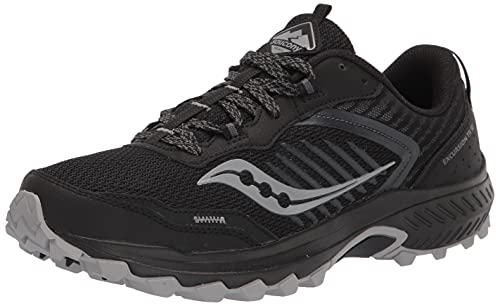
- Carbon-rubber lugs provide dependable grip.
- Moderate cushioning supports everyday comfort.
- Recycled materials and protective mesh add practical appeal.
Best For: Neutral users wanting versatile shoes for hiking and general outdoor trail use
Best All-Around Trail Value

- Trail-specific outsole for off-road grip
- GEL and AMPLIFOAM PLUS cushioning
- Breathable upper with OrthoLite comfort
Best For: Neutral runners wanting cushioned shoes for general trail use
Best for Wet-Weather Comfort

- Roomy FootShape toe box
- Balanced Cushioning platform
- Weather-resistant eVent bootie
Best For: Runners wanting toe room and added wet-weather coverage
Best Versatile Everyday Trail Shoe
New Balance Dynasoft Tektrel V1
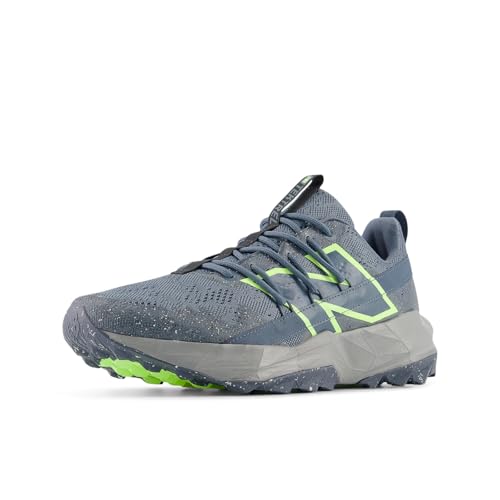
- AT Tread outsole for mixed surfaces
- Moderate cushioning for everyday runs
- True-to-size fit with casual styling
Best For: Runners switching between paved paths and light trails
Rugged-Terrain Pick

- Grippy recycled-rubber outsole for wet and dry trails
- Responsive DNA LOFT v3 cushioning
- Rock shield and reinforced upper add protection
Best For: All-around mountain and rugged-trail running
Everyday Trail Value

- Breathable mesh and synthetic upper
- Lightweight LIGHTMOTION cushioning
- Uses recycled and renewable materials
Best For: Casual trail runs and general outdoor use
Ultra-Distance Comfort
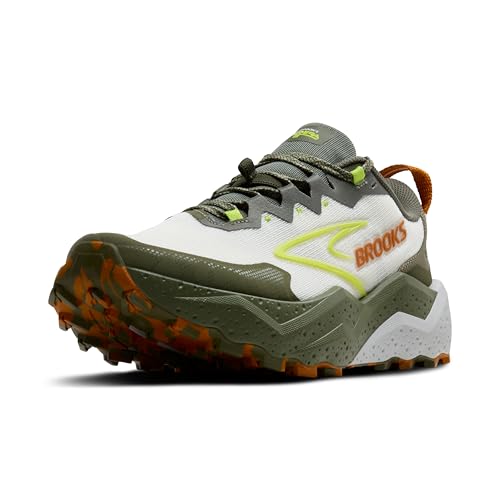
- Maximum DNA LOFT v3 cushioning
- Raised sidewalls improve security and stability
- Breathable upper resists trail snags
Best For: Long-distance and ultra trail running
Reliable Trail Starter – Saucony Excursion TR14
The Saucony Excursion TR14 is a practical choice for runners and hikers who want comfortable trail running shoes with dependable grip and moderate cushioning. Its trail-specific mesh and supportive overlays provide a secure, debris-blocking fit without a bulky feel.
Best For: Neutral runners seeking comfortable shoes for hiking, running, and everyday trail use in dry conditions.
Pros:
- Carbon-rubber lugs provide solid footing on trails.
- VERSARUN cushioning offers moderate underfoot comfort.
- Supportive mesh overlays help secure the foot and shield it from debris.
Cons:
- Not water resistant.
- Moderate cushioning may feel less plush than maximum-cushioning options.
The Excursion TR14 balances traction, comfort, and protection in a straightforward low-top design, making it a sensible option for varied trail outings without specialized features such as waterproofing or pronation correction.
Maximum-Cushion Trail Comfort – New Balance Fresh Foam X Hierro V9
New Balance Men's Fresh Foam X Hierro V9 Trail Running Shoe, Afterglow/Dark Olivine, 9
Check Price On AmazonThe New Balance Fresh Foam X Hierro V9 is built for runners who prioritize plush comfort and strong traction in their trail running shoes. Its dual-density midsole combines a softer upper layer with a firmer base, while the Vibram Megagrip outsole uses deeper 6mm lugs for wet and dry terrain.
Best For: Trail runners and hikers wanting maximum cushioning, all-weather grip, and added protection on rocky or technical routes.
Pros:
- Dual-density Fresh Foam X delivers a plush yet stable ride.
- Vibram Megagrip outsole and 6mm lugs support traction on wet and dry terrain.
- Toe Protect technology helps shield against rocks, roots, and debris.
- Breathable knit upper and gusseted tongue help keep out dirt and pebbles.
Cons:
- Not water resistant.
- At 16 ounces, it is heavier than some trail options.
With maximum cushioning, a protective toe cap, and a secure lace-up fit, the Hierro V9 is suited to demanding trail days where comfort and grip matter more than a lightweight feel.
Adaptive Mountain Stability – Brooks Cascadia 19
Brooks Women’s Cascadia 19 Mountain Trail Running Shoe - Coconut/Misty Blue/Ebony - 9.5 Medium
Check Price On AmazonThe Brooks Cascadia 19 is a supportive choice for runners looking for trail running shoes that can adapt to uneven mountain terrain. Its TrailTack Green outsole, DNA LOFT v3 cushioning, and upgraded Trail Adapt System combine traction, responsive comfort, and stability.
Best For: Trail enthusiasts who want a stable, protective shoe for varied, wet, dry, and rugged mountain routes.
Pros:
- TrailTack Green rubber outsole provides traction across wet and dry terrain.
- DNA LOFT v3 cushioning offers a soft, responsive ride.
- Flexible Ballistic Rock Shield supports stability over uneven ground.
- Reinforced toe cap, mudguard, and overlays add trail protection.
Cons:
- Not water resistant.
- Its moderate-to-high cushioning and protective construction may not suit runners seeking a minimalist feel.
The Cascadia 19 emphasizes confidence and adaptability rather than simplicity, making it a strong fit for technical trail users who value protection, cushioning, and stable handling.
Versatile Everyday Trail Value – Saucony Excursion TR15
The Saucony Excursion TR15 offers a practical blend of grip, moderate cushioning, and debris protection for everyday trail running shoes. Its carbon-rubber outsole and trail-specific mesh make it useful for hiking and outdoor activity, while recycled materials give the design a lighter footprint.
Best For: Neutral users seeking a cushioned, versatile shoe for hiking, trail activity, and casual outdoor use.
Pros:
- Grippy carbon-rubber lugs help provide solid footing.
- Moderate VERSARUN cushioning supports everyday comfort.
- Mesh and supportive overlays secure the foot and help protect from debris.
- Contains recycled materials.
Cons:
- Not water resistant.
- The supplied details list a road surface recommendation, so it may be less specialized for highly technical trails.
The Excursion TR15 is a straightforward option for users who want trail-ready grip and comfort without excessive bulk, especially for general outdoor outings and less demanding routes.
Best All-Around Trail Value – ASICS Gel-Excite Trail 2
The ASICS Gel-Excite Trail 2 is a practical pick for runners seeking versatile trail running shoes with cushioning and off-road grip. Its breathable mesh upper, AMPLIFOAM PLUS cushioning, and rearfoot GEL technology are designed to support a comfortable, softer-feeling stride on trail surfaces.
Best For: Neutral runners who want cushioned trail shoes for casual outdoor runs and everyday off-road use.
Pros:
- Trail-specific rubber outsole helps provide grip on off-road surfaces.
- Rearfoot GEL technology improves impact absorption.
- AMPLIFOAM PLUS cushioning supports a flexible feel at footstrike.
- Breathable no-sew mesh upper and OrthoLite sockliner add step-in comfort.
Cons:
- Not water resistant.
- Maximum cushioning may feel more substantial than runners seeking a minimal shoe.
- Designed with neutral pronation correction rather than targeted support.
Choose this model if cushioning, comfort, and basic trail traction matter most. It is less suited to wet conditions, but its feature set makes it a balanced option for general trail running.
Best for Wet-Weather Comfort – ALTRA Lone Peak 9
The ALTRA Lone Peak 9 stands out among trail running shoes for its roomy FootShape toe box, Balanced Cushioning platform, and weather-resistant eVent bootie. It is built for runners who want a natural-feeling platform and added protection when trails are wet.
Best For: Trail runners who prioritize toe room, moderate cushioning, and weather-resistant coverage in changing conditions.
Pros:
- FootShape toe box allows the toes to spread.
- Balanced Cushioning places the heel and forefoot the same distance from the ground.
- Weather-resistant eVent bootie helps keep feet prepared for wet conditions.
- RPET ripstop mesh upper and rubber sole are suited to outdoor trail use.
Cons:
- Moderate cushioning may not satisfy runners seeking maximum underfoot padding.
- Weather-resistant construction is not presented as fully waterproof.
- Neutral design does not provide pronation correction.
The Lone Peak 9 is a strong fit when a spacious forefoot and wet-weather readiness are higher priorities than plush cushioning. Its balanced platform also suits runners who prefer a more even heel-to-forefoot feel.
Best Versatile Everyday Trail Shoe – New Balance Dynasoft Tektrel V1
New Balance Men's DynaSoft TEKTREL V1 Trail Running Shoe, Shadow Blue/Afterglow, 10
Check Price On AmazonThe New Balance Dynasoft Tektrel V1 is a straightforward option for runners who move between paved paths and trails. Its AT Tread outsole is designed for versatile on- and off-road traction, while the performance midsole provides moderate cushioning for everyday runs.
Best For: Neutral runners seeking a comfortable trail shoe with versatile traction and a casual, lifestyle-inspired look.
Pros:
- AT Tread outsole supports both on- and off-road activities.
- Performance midsole provides comfortable moderate cushioning.
- Lifestyle-inspired upper works well for casual outdoor wear.
- Listed fit is true to size.
Cons:
- Not water resistant.
- Moderate cushioning may be less suitable for runners wanting maximum cushioning.
- Its versatile outsole may be less trail-specific than a shoe designed solely for technical terrain.
This model makes sense for mixed-surface runners who want one comfortable shoe for light trail use and everyday activity. Consider another option if wet-weather protection or highly specialized trail performance is essential.
Rugged-Terrain Pick – Brooks Cascadia 19
Brooks Men’s Cascadia 19 Mountain Trail Running Shoe - Black/Black/Ebony - 11.5 Medium
Check Price On AmazonThe Brooks Cascadia 19 is a versatile choice for trail running shoes, combining reliable traction, moderate-to-high cushioning, and an adaptive stability system for uneven routes. Its breathable, quick-drying mesh upper is reinforced to help handle trail debris.
Best For: Trail runners who want confident grip and adaptable protection across wet, dry, rocky, and mountainous terrain.
Pros:
- TrailTack Green rubber outsole uses 25% recycled content and provides traction in wet and dry conditions.
- Nitrogen-infused DNA LOFT v3 cushioning supports a soft, responsive ride.
- Ballistic Rock Shield, reinforced toe cap, and mudguard add trail protection and stability.
- Breathable mesh upper dries quickly and uses 3D-print overlays for added durability.
Cons:
- Not water resistant.
- Designed with moderate-to-high cushioning rather than maximum cushioning.
The Cascadia 19 stands out as an all-around mountain trail option for runners who value traction, protection, and a neutral, adaptable ride.
Everyday Trail Value – adidas Terrex Tracefinder
The adidas Terrex Tracefinder offers a straightforward option among trail running shoes, pairing a breathable mesh-and-synthetic upper with lightweight LIGHTMOTION cushioning. Its neutral design is suited to casual trail outings and everyday running.
Best For: Runners seeking a lightweight-feeling, durable trail shoe with a comfortable step-in feel for general trail use.
Pros:
- Mesh and synthetic upper balances breathability, durability, and low weight.
- LIGHTMOTION cushioning provides a soft step-in feel.
- 10 mm drop measures 30 mm at the heel and 20 mm at the forefoot.
- Made with at least 20% recycled and renewable materials.
Cons:
- Not water resistant.
- Provides less specified trail protection than models with a rock shield or reinforced mudguard.
With its cushioned platform and durable upper, the Tracefinder is a practical pick for runners who want a versatile trail shoe without a highly technical feature set.
Ultra-Distance Comfort – Brooks Caldera 8
Brooks Men’s Caldera 8 Ultra Trail Running Shoe - Dusty Olive/Lime/Oyster - 10 Medium
Check Price On AmazonThe Brooks Caldera 8 is built for long-distance trail running, with maximum DNA LOFT v3 cushioning and raised sidewalls designed to improve security on rough terrain. Its breathable, adaptable upper helps manage moisture while resisting trail scratches and snags.
Best For: Distance trail runners who prioritize plush cushioning and added stability over rocky, root-filled, and mountainous routes.
Pros:
- High-stacked, nitrogen-infused DNA LOFT v3 cushioning helps protect feet over long distances.
- Raised sidewalls, a widened base, and flex grooves support stable landings.
- Breathable TPEE air mesh helps with ventilation and moisture management.
- Durable upper materials resist scratching and snagging.
Cons:
- Not water resistant.
- Maximum cushioning and a 600 g listed weight may feel less minimal than lighter trail shoes.
The Caldera 8 is the strongest match here for ultra-distance comfort, especially when cushioning and stability matter more than a low-profile feel.
How We Picked the Best Trail Running Shoes
We focused on the features that matter most off pavement: outsole traction, cushioning, underfoot protection, stability, fit, and intended distance. The selection includes versatile entry-level shoes, established trail models, cushioned options for long outings, and designs suited to runners who prefer a roomier or more natural-feeling platform.
We also considered whether each shoe has a clear use case. A model built for relaxed gravel paths does not need the same aggressive traction or protective construction as a shoe intended for rocky mountain trails. Matching the shoe to the terrain is often more important than choosing the most expensive option.
Quick Comparison
| Best For | Look For | Recommended Type |
|---|---|---|
| Road-to-trail running | Moderate lugs and flexible cushioning | Versatile daily trail shoe |
| Rocky or technical trails | Deep traction and a protective upper | Stable, reinforced trail shoe |
| Long-distance comfort | Generous cushioning and secure fit | Max-cushion or ultra-distance model |
| Natural foot movement | Wide toe box and flexible platform | Foot-shaped trail shoe |
| Wet or loose surfaces | Grippy rubber and multidirectional lugs | Aggressive-trail model |
Key Buying Factors for Trail Running Shoes
Traction and Terrain
Look at lug depth and pattern before choosing. Shallow, closely spaced lugs work well on hard-packed dirt and mixed road-to-trail routes. Deeper, widely spaced lugs provide better purchase in mud, loose soil, and steep terrain, though they can feel less smooth on pavement.
Cushioning and Protection
More cushioning can reduce fatigue on long runs, while a firmer or lower-profile shoe may offer better ground feel and control. If your routes include rocks and roots, consider a protective toe bumper, durable upper, and a rock-resistant midsole or plate.
Fit and Stability
Your heel should feel secure without pressure, and your toes should have enough room to spread without sliding forward. Leave some space at the front for foot swelling and downhill movement. A wider platform can improve confidence, while a snugger upper may feel better on technical terrain.
Durability and Weather
Trail surfaces can wear through mesh and foam faster than pavement. Reinforced overlays, abrasion-resistant materials, and a durable outsole are worthwhile for frequent use. Waterproof construction can help in wet conditions, but it may run warmer and dry more slowly than breathable mesh.
Who Should Buy Which Trail Running Shoes?
Choose a versatile daily trail shoe if you split your time between pavement, gravel, and maintained paths. Runners tackling rocky, steep, or muddy routes should prioritize traction, protection, and lateral stability. For long training runs or ultras, favor cushioning, a comfortable upper, and a fit that remains secure as your feet swell.
Runners who prefer a spacious forefoot should consider a foot-shaped design, while beginners may benefit from a forgiving, moderately cushioned shoe that works across several surfaces. Before buying, check the manufacturer’s sizing guidance and review the return policy, since fit can vary substantially between brands and models.