The best balance bikes help young children develop steering, coordination, and confidence before they transition to a pedal bike. The right model should feel stable without being cumbersome, fit the child properly, and withstand everyday play.
We compared 10 balance bikes across age ranges, adjustability, tire design, weight, and child-friendly features to help you choose a practical first ride for your toddler or preschooler.
Best 10 Balance Bikes Picks for 2026
Best All-Around Pick

- Adjustable for ages 1–4
- Lightweight 6.7-lb frame
- Flat-free foam tires
Best For: Families wanting a versatile first balance bike
Best for Early Starters
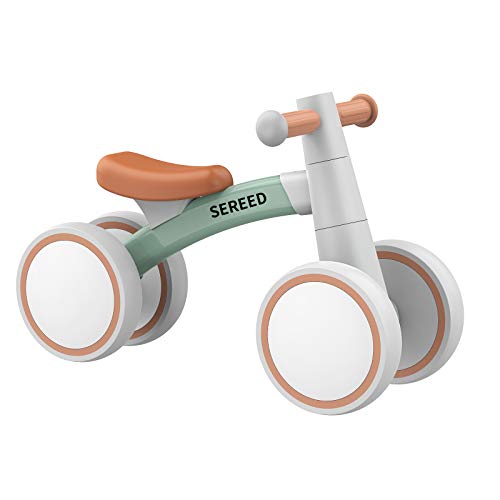
- Designed for ages 12–24 months
- Lightweight 3.5-lb construction
- Enclosed wheels and limited steering
Best For: Toddlers beginning to develop balance and coordination
Best for Smooth Outdoor Rides

- 12-inch rubber air tires
- Tool-free adjustable seat
- Suitable for ages 1.5–5
Best For: Outdoor riding on sidewalks, grass, and gravel
Lightweight Starter

- Low adjustable seat for tiny toddlers
- 6.5-pound frame is easy to handle
- Flat-free foam tires need no maintenance
Best For: Very young beginners ages 1 to 3
Adjustable Toddler Pick

- Tool-free seat and handlebar adjustments
- Flat-free EVA tires suit indoor or outdoor use
- Carbon-steel frame supports up to 110 pounds
Best For: Growing toddlers ages 2 to 3
Sporty Growing-Kid Choice

- Motocross-inspired carbon-steel frame
- All-terrain EVA tires for indoor or outdoor rides
- Adjustable seat and customizable sticker plates
Best For: Style-conscious riders ages 2 to 5
Lightweight Adventure Pick

- Lightweight 8.16-pound frame
- Air-filled tires for mixed terrain
- Adjustable seat for ages 3 to 6
Best For: Growing riders who need a lightweight bike for varied surfaces
Personalized Toddler Pick
KRIDDO Adjustable Balance Bike

- Fits approximately ages 2 to 5
- Puncture-resistant tires
- Customizable plate with stickers
Best For: Toddlers needing an adjustable and personalized first bike
Low-Maintenance Starter

- Flat-free EVA foam tires
- Tool-free fit adjustments
- Quick spring-buckle assembly
Best For: Families wanting a simple, low-maintenance toddler bike
Best All-Around Pick – Strider 12 Sport
The Strider 12 Sport is a lightweight, no-pedal option for introducing young children to balance bikes. Its adjustable seat and handlebars accommodate ages 1 to 4, while flat-free foam tires support steady riding across varied terrain.
Best For: Families seeking a durable first balance bike with broad adjustability and low-maintenance tires.
Pros:
- Adjustable seat height from 11 to 17 inches for growing riders.
- Lightweight 6.7-pound steel frame is easier for children to handle.
- Flat-free 12-inch foam tires require no maintenance.
- Tools are included for straightforward assembly.
Cons:
- It has no braking system.
- The 60-pound maximum rider weight may limit long-term use for some children.
With its beginner-friendly design, wide seat-height range, and all-terrain foam tires, the Strider 12 Sport is a practical choice for children ready to learn balance and steering.
Best for Early Starters – SEREED Baby Balance Bike
The SEREED Baby Balance Bike is designed specifically for toddlers from 12 to 24 months. Its lightweight 3.5-pound build, enclosed wheels, and limited-turn steering make it an approachable introduction to balance bikes for very young riders.
Best For: Toddlers taking their first steps toward riding and parents prioritizing a compact, lightweight design.
Pros:
- Recommended for children ages 12 to 24 months.
- Fully widened closed wheels help avoid foot clamping.
- 135-degree turning limit and gravity steering help keep wheels grounded.
- Non-slip EVA wheels work indoors or outdoors without damaging floors.
Cons:
- The small 6.7-inch wheels are intended for early-stage toddlers rather than older children.
- It has no brake.
- The product requires close supervision while riding.
This model stands out among balance bikes for its early age range and very light weight. It is best viewed as a starter riding toy for building coordination and confidence before moving to a larger bike.
Best for Smooth Outdoor Rides – Radio Flyer Air Ride
The Radio Flyer Air Ride Balance Bike pairs a sturdy steel frame with 12-inch rubber air tires for a smoother ride on sidewalks, grass, and gravel. Its tool-free adjustable seat is designed to serve children from about 18 months through 5 years.
Best For: Families wanting air-filled tires and a classic design for varied outdoor surfaces.
Pros:
- Rubber air tires provide a smooth ride across several surfaces.
- Tool-free seat adjustment accommodates growing children.
- Grip tape gives feet a no-slip spot while gliding.
- 12-inch wheels suit toddlers and young children.
Cons:
- Air tires may require more maintenance than foam tires.
- The 7.9-pound weight is heavier than some lightweight toddler models.
- The listed coaster brake may be less straightforward for very young beginners.
For outdoor-focused families, the Air Ride offers a comfortable tire setup and useful growth adjustment. Its air tires are appealing for mixed terrain, while the steel frame supports active play.
Best for Growing Toddlers – SEREED Adjustable Balance Bike
The SEREED Toddler Balance Bike gives children ages 2 to 5 a larger platform for learning balance and steering. Tool-free seat and handlebar adjustments, a footrest, and flat-free EVA tires make it practical for everyday indoor and outdoor riding.
Best For: Growing toddlers who need a highly adjustable bike with a sturdy frame and personalized details.
Pros:
- Seat adjusts from 11.8 to 16.5 inches without tools.
- Handlebars adjust from 19.6 to 22.5 inches.
- Wide carbon steel frame supports up to 110 pounds.
- Noiseless, anti-slip EVA tires never go flat.
Cons:
- At about 7.8 to 9 pounds, it is heavier than the smaller SEREED model.
- It has no brakes.
- The larger frame may be less suitable for children under the recommended toddler range.
This SEREED model is a strong fit when adjustability matters most. Its broad height range, sturdy frame, footrest, and flat-free tires provide a useful setup for children developing riding confidence over several years.
Lightweight Starter – Strider 12" Classic
The Strider 12″ Classic is a lightweight choice for toddlers learning balance bikes. Its low adjustable seat, simple no-pedal design, and flat-free tires are suited to beginner riders ages 1 to 3.
Best For: Very young beginners who need a low, lightweight balance bike with a broad seat-height range.
Pros:
- Adjustable toddler seat accommodates a 12- to 17-inch inseam.
- Lightweight steel frame weighs 6.5 pounds.
- Flat-free 12-inch foam tires require no maintenance.
- Built-in footrest and adjustable handlebars support developing riders.
Cons:
- Designed for ages 1 to 3, so older children may outgrow it sooner.
- Rigid construction and plastic wheels provide a basic ride setup.
With its low starting seat height and uncomplicated design, this Strider is a practical first balance bike for toddlers who are ready to practice steering and stability.
Adjustable Toddler Pick – SEREED Toddler Balance Bike
The SEREED toddler balance bike combines tool-free adjustability with a sturdy carbon-steel frame. Its airless EVA tires and padded contact points make it a versatile option for children beginning balance-bike practice indoors or outdoors.
Best For: Ages 2 to 3 who need a bike that is easy for parents to adjust and easy to carry.
Pros:
- Quick-release adjustments set the seat from 12.6 to 17.1 inches and handlebars from 19.6 to 22.5 inches.
- Airless EVA tires are noiseless, anti-slip, and flat-free.
- Carbon-steel frame supports up to 110 pounds.
- Includes a customizable plate and stickers.
Cons:
- At 7.8 pounds, it is heavier than some toddler balance bikes.
- It has no brakes, so riders must control speed with their feet.
The SEREED stands out for its generous adjustment range and portability, making it a sensible growing-with-them choice for families who want low-maintenance tires.
Sporty Growing-Kid Choice – RIDYEE Toddler Balance Bike
The RIDYEE balance bike brings a motocross-inspired look to beginner balance bikes for ages 2 to 5. It pairs a carbon-steel frame with an adjustable seat, all-terrain EVA tires, and kid-friendly customization features.
Best For: Children ages 2 to 5 who want a sporty-looking bike for indoor and outdoor riding.
Pros:
- Adjustable seat ranges from 13.4 to 15.8 inches without tools.
- All-terrain EVA tires are designed for indoor and outdoor use.
- Shock-absorbing seat, anti-slip grip, and safety angle limit support comfortable riding.
- DIY plate and three sticker sets let children personalize the bike.
Cons:
- The narrower seat-height range may not fit every child throughout ages 2 to 5.
- It has no brakes, so stopping depends on foot control.
For families prioritizing style and engagement, the RIDYEE offers a distinctive racing-frame design plus comfort and customization details that can encourage regular practice.
Lightweight Adventure Pick – Ridego 14-Inch Balance Bike
The Ridego 14-inch balance bike is designed for children ages 3 to 6 who are ready to build confidence before moving to a pedal bike. Its lightweight frame, air-filled rubber tires, and adjustable seat make it a practical choice for pavement, grass, gravel, and other everyday riding surfaces.
Best For: Growing riders ages 3 to 6 who need a lightweight balance bike for mixed terrain.
Pros:
- Lightweight 8.16-pound glass-reinforced nylon frame supports up to 110 pounds.
- Air-filled rubber tires provide shock absorption and traction on paved and unpaved surfaces.
- Adjustable 14.2- to 18.3-inch seat, padded saddle, footrest, and non-slip handlebars support comfort and control.
Cons:
- The 14-inch wheel size may be larger than ideal for smaller toddlers.
- Air tires can require inflation and maintenance compared with foam tires.
Choose this model when portability and all-terrain capability matter. Its broad fit range and durable frame make it a strong option for children who are ready for longer outdoor rides.
Personalized Toddler Pick – KRIDDO Adjustable Balance Bike
The KRIDDO toddler balance bike is made for early riders from about 24 months to 5 years. Adjustable seat and handlebar heights help accommodate growth, while puncture-resistant tires and a sturdy carbon-steel frame provide a stable platform for learning to push, walk, and balance.
Best For: Toddlers who want a customizable first balance bike with adjustable fit.
Pros:
- Designed for a wide 2- to 5-year-old age range with adjustable seat and handlebars.
- Extra-thick puncture-resistant tires are suitable for grass and sidewalks.
- Includes a removable name plate with three sticker sets for personalization.
- Soft rubber grips, a PU seat, and a carbon-steel frame support comfort and durability.
Cons:
- At 6.6 pounds, it is heavier than some lightweight toddler balance bikes.
- The supplied details do not list a brake system.
This is a practical starter option for families prioritizing stability, adjustability, and personalization. Its puncture-resistant tires also reduce the need to deal with flats during casual neighborhood use.
Low-Maintenance Starter – Umatoll Toddler Balance Bike
The Umatoll toddler balance bike offers a simple introduction to riding for children ages 2 to 5. Its air-free EVA foam tires never need pumping, and tool-free seat and handlebar adjustments make it easy to keep the fit appropriate as your child grows.
Best For: Families seeking a low-maintenance balance bike for young toddlers.
Pros:
- Air-free EVA tires cannot go flat or require inflation.
- Tool-free seat and handlebar adjustments support changing needs from ages 2 to 5.
- Carbon-steel frame, soft grips, and a comfortable seat provide a child-friendly riding setup.
- Spring-buckle assembly is designed for quick setup without extra tools.
Cons:
- The EVA foam tires are specified for paved roads and urban terrain rather than rough trails.
- It has no brakes, according to the supplied specifications.
- The listed minimum user height is 88 centimeters, so fit should be checked before purchase.
Consider this model if convenience is a priority. Its flat-free tires and tool-free adjustments simplify ownership, while the small 11-inch wheels suit its toddler-focused design.
How We Picked These Balance Bikes
We focused on features that matter most for early riders: an appropriate starting age, a low and adjustable seat, manageable overall weight, stable geometry, comfortable contact points, and tires suited to the intended riding surface. We also considered whether each bike offers useful extras such as a built-in footrest, flat-free tires, air-filled rubber tires, or a handlebar designed for small hands.
Because children grow quickly, adjustability received particular attention. A bike that fits across more than one season can offer better value than a model with a narrow size range. Product descriptions and specifications were compared carefully, but parents should confirm current dimensions, weight limits, and included components before purchasing.
Quick Comparison
- Best for very young beginners: Look for a compact, lightweight design with a low seat and stable wheelbase.
- Best for growing toddlers: Choose adjustable seat and handlebar positions with a broader age range.
- Best for low maintenance: Flat-free tires eliminate punctures and reduce upkeep.
- Best for outdoor use: Air-filled rubber tires generally provide a smoother ride on varied surfaces, though they require inflation checks.
- Best for longer use: Larger 12- to 14-inch models may suit taller preschoolers who have already developed basic balance.
Key Buying Factors for Balance Bikes
Fit and Seat Height
When seated, your child should be able to place both feet flat on the ground with slightly bent knees. This position lets them walk the bike forward, brake naturally, and catch themselves if they wobble. A seat that is too high can make learning intimidating, while one that is too low may limit comfortable leg movement.
Weight and Stability
A lighter bike is easier for a toddler to lift, steer, and control. However, stability still matters, so look for a frame and wheelbase that feel planted without being oversized. As a general rule, the bike should not be heavier than your child can comfortably manage.
Tires and Riding Surface
Foam or flat-free tires are convenient for sidewalks and indoor play. Pneumatic rubber tires can offer more cushioning for grass, paths, and uneven pavement, but they need occasional pressure checks. Match the tire type to where your child will ride most often.
Safety and Comfort
Prioritize rounded components, secure grips, a comfortable seat, and dependable steering limits where provided. A properly fitted helmet remains essential, and children should ride away from traffic under adult supervision.
Who Should Buy Which Balance Bikes?
For a first bike around the first birthday, choose the smallest, lightest option with a low seat and stable three- or four-wheel-style layout. For toddlers around two, an adjustable two-wheel balance bike can provide a longer learning window. Preschoolers who are taller or already confident on a ride-on toy may benefit from a larger 12- or 14-inch model with adjustable components. If convenience is your priority, select flat-free tires; if ride comfort and outdoor versatility matter more, consider air-filled tires. Whichever model you choose, verify the fit before the first ride and reassess the seat height as your child grows.