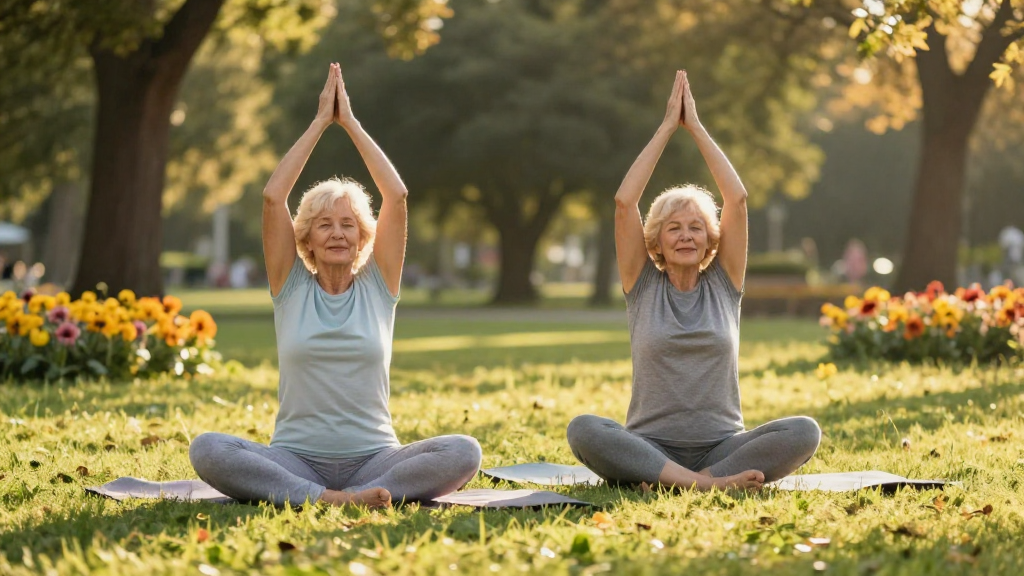
As seniors age, focusing on fitness becomes increasingly crucial for maintaining overall health and well-being.
What are the Fitness Benefits for Seniors?
Engaging in regular physical activity offers numerous fitness benefits for seniors.
Here are some of the most important advantages:
-
Improved Mobility
– Enhanced flexibility and range of motion.
– Reduced stiffness in joints. -
Increased Strength
– Gains in muscle strength can help with daily tasks.
– Better balance reduces the risk of falls. -
Cardiovascular Health
– Regular aerobic exercise enhances heart and lung function.
– Lowered blood pressure and cholesterol levels. -
Mental Well-Being
– Physical activity releases endorphins, which can reduce depression.
– Improved cognitive function and memory. -
Bone Density Maintenance
– Weight-bearing exercises strengthen bones.
– Reduced risk of osteoporosis.
Focusing on these fitness benefits for seniors not only promotes a healthier lifestyle but also contributes to greater longevity and enhanced quality of life.
How Can Seniors Start a Fitness Routine?
Starting a fitness routine may seem daunting, but it doesn’t have to be. Here are some steps seniors can take:
-
Consult with a Healthcare Provider
– Always check with a doctor before beginning any new exercise program.
– Discuss any pre-existing conditions or concerns. -
Set Realistic Goals
– Start small with achievable fitness goals.
– Gradually increase the intensity and duration. -
Choose Enjoyable Activities
– Select activities that you enjoy to stay motivated.
– Options include walking, swimming, cycling, or yoga. -
Consider Group Classes
– Joining a fitness class or group can provide social interaction.
– Group settings often foster accountability and motivation. -
Stay Consistent
– Aim for at least 150 minutes of moderate aerobic activity per week.
– Incorporate strength training exercises twice a week.
What Types of Exercises Are Best for Seniors?
Every senior’s fitness needs are unique, but some exercise types can offer optimal fitness benefits for seniors.
Here are four categories of exercises to consider:
-
Aerobic Exercises
– Walking, swimming, and cycling can improve cardiovascular health.
– Low-impact options are more suitable for older adults. -
Strength Training
– Light weights, resistance bands, or body weight exercises build muscle.
– Aim for exercises targeting all major muscle groups. -
Flexibility and Balance Exercises
– Stretching routines or yoga enhance flexibility and reduce injury risks.
– Balance exercises, such as tai chi, can prevent falls. -
Functional Movement
– Activities that mimic daily tasks increase mobility.
– Examples include squats, lunges, and seated leg lifts.
Can Exercise Enhance Mental Health in Seniors?
Absolutely! One of the most notable fitness benefits for seniors is its positive impact on mental health.
Regular physical exercise can:
- Reduce Symptoms of Depression: Exercise stimulates the body’s natural mood elevators.
- Improve Sleep Quality: Active seniors report better sleep patterns, which is crucial for mental clarity.
- Boost Self-Esteem: Achieving fitness goals can enhance confidence.
How Does Social Interaction Play a Role in Fitness for Seniors?
Seniors often experience feelings of isolation or loneliness as they age.
Joining fitness programs provides not only physical fitness benefits for seniors but also opportunities for social interaction.
Engaging in group activities can:
- Foster Friendships: Regularly meeting others with similar interests can build community.
- Encourage Motivation: Social settings can boost commitment to fitness routines.
- Reduce Stress: Spending time with friends not only makes exercising more enjoyable but also lowers stress levels.
Are There Any Accessibility Considerations for Seniors?
Accessibility is a key factor when determining the best fitness benefits for seniors.
Here are a few considerations to ensure inclusivity:
-
Modified Equipment Options
– Many gyms offer adaptive equipment for seniors or those with limited mobility. -
Home Workouts
– There are countless online classes available that cater to seniors’ specific fitness needs.
– Investing in simple fitness gear like resistance bands or light weights can allow for workouts at home. -
Community Resources
– Local community centers or senior centers may offer tailored fitness programs.
– Look for workshops that teach seniors how to exercise safely.
What Are Some Common Myths Surrounding Fitness for Seniors?
Many misconceptions exist around exercise and seniors, which can deter them from pursuing fitness benefits for seniors.
Below are a few prevalent myths debunked:
-
Myth: It’s Too Late to Start Exercising
– Truth: It’s never too late to experience benefits from physical activity. -
Myth: Seniors Should Avoid Weight Training
– Truth: Strength training is vital for maintaining muscle mass and bone density. -
Myth: All Exercise Must Be Intense
– Truth: Mild to moderate exercises can still provide significant health benefits. -
Myth: Exercise Isn’t Safe for Seniors
– Truth: When managed correctly, physical activity significantly improves health and reduces risks of chronic conditions.
How Can Family and Friends Support Seniors in Their Fitness Journey?
The encouragement and support from family and friends can substantially influence a senior’s commitment to fitness.
Here are some ways loved ones can help:
- Participate Together: Join seniors in activities like walking or swimming.
- Encourage Outside Interaction: Help them find classes or clubs in the community.
- Create a Routine: Offer to exercise together at specific times to establish consistency.
- Provide Motivation: Celebrate their achievements, no matter how small, to keep their spirits high.
Conclusion: Why Focus on Fitness?
In conclusion, the fitness benefits for seniors are wide-ranging and impactful.
Adopting a sensible fitness routine can lead to improvements in physical health, mental well-being, and quality of life.
Seniors should prioritize fitness not only for the immediate health benefits, but also to enhance their enjoyment of life and maintain independence as they age.
By starting slowly, setting realistic goals, and seeking support from family and community resources, seniors can successfully embark on their fitness journey and reap the lifelong benefits of an active lifestyle.
It’s never too late to embrace fitness—so why not start today?