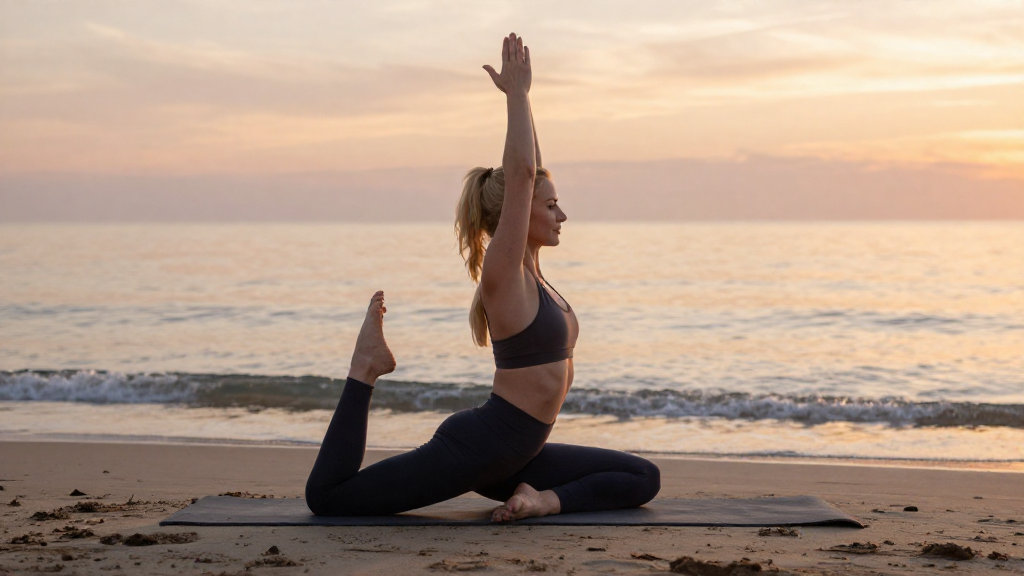
Fitness and reduced stress go hand in hand in today’s fast-paced world.
In this article, we will explore how participating in regular fitness activities can significantly alleviate stress levels, improve mental health, and boost overall well-being.
What Is the Connection Between Fitness and Reduced Stress?
Stress is a natural reaction to challenging situations.
However, when it becomes chronic, it can negatively affect physical and mental health.
Hence, finding effective strategies to manage and reduce stress is crucial.
Fitness plays a critical role in stress reduction through various mechanisms:
-
Endorphin Release
Engaging in physical activity prompts the body to release endorphins, often referred to as “feel-good” hormones.
These chemicals create feelings of happiness and euphoria, making fitness a powerful antidote to stress. -
Distraction from Daily Worries
When you exercise, your mind shifts focus from daily stressors.
Physical activity serves as a welcome distraction, allowing you to clear your mind and feel a sense of accomplishment. -
Improved Sleep Quality
Regular fitness routines can enhance sleep quality.
Better sleep makes you more resilient to stress, as rest is vital for mental clarity and emotional regulation. -
Reduced Muscle Tension
Exercise helps release muscle tension that accumulates from stress.
By alleviating physical tension, fitness fosters a sense of relaxation and calm. -
Increased Social Interaction
Joining fitness classes or recreational sports promotes social interaction.
Building supportive relationships can help you cope with stress better.
How Much Exercise Do You Need for Stress Relief?
The amount of exercise needed for fitness and reduced stress can vary based on individual fitness levels and preferences.
However, general guidelines suggest:
- At least 150 minutes of moderate aerobic activity each week.
- This can include activities such as brisk walking, swimming, cycling, or dancing.
- Alternatively, 75 minutes of vigorous activity may suffice, such as running or high-intensity interval training (HIIT).
- Strength training exercises should be incorporated on two or more days a week.
Even short bursts of physical activity, such as a 10-minute walk, can trigger the release of endorphins.
It is essential to find activities that you enjoy to maintain consistency.
Why Team Sports Can Be Beneficial?
Participating in team sports is a superb way to experience fitness and reduced stress benefits.
Here’s why:
-
Social Support
Team sports provide a social network, enhancing feelings of belonging.
Sharing experiences with teammates can foster resilience and reduce feelings of isolation. -
Accountability
Committing to a team can motivate you to stick with your fitness routine.
Knowing others are counting on you can increase your dedication to physical activity. -
Skill Development
Engaging in team sports allows for skill development, which can boost self-esteem.
A higher sense of self-worth leads to an improved ability to manage stress effectively.
Which Types of Fitness Activities Help Reduce Stress?
Not all fitness activities are created equal when it comes to stress reduction.
Here are some of the most effective types of exercises:
- Aerobic Exercises: Activities like running, cycling, and swimming have shown significant stress-reducing benefits due to endorphin release.
- Yoga: Incorporates mindfulness, breathing techniques, and stretches.
Yoga gently calms the mind and body, promoting relaxation. - Pilates: Similar to yoga in its focus on breath and body awareness, Pilates also helps strengthen the core while supporting mental wellness.
- Martial Arts: Practices such as karate or tai chi combine physical exertion with mental focus, making them excellent for stress management.
Can Mindful Movements Help Manage Stress?
Mindfulness practices such as yoga and tai chi help promote fitness and reduce stress effectively.
These practices combine physical movement with mental clarity.
The synergy of mindfulness:
– Enhances body awareness: You learn to listen to your body, promoting self-care.
– Encourages deep breathing: Controlled breathing helps lower heart rates and blood pressure, calming the mind.
– Promotes relaxation and focus: Helps in cultivating inner peace.
How Does Nutrition Complement Fitness in Stress Reduction?
While fitness is critical for stress management, nutrition also plays a vital role.
A balanced diet can enhance the benefits of fitness and reduced stress. Here are a few dietary tips:
-
Incorporate Omega-3 Fatty Acids
Found in fish, flaxseed, and walnuts, omega-3 fatty acids have been linked to improved mood and reduced anxiety. -
Stay Hydrated
Dehydration can lead to fatigue and increased stress levels.
Ensure you drink enough water throughout the day to keep your mind and body functioning optimally. -
Limit Caffeine and Alcohol
High caffeine and alcohol intake can increase anxiety and stress.
Moderation is key to maintaining a calm state of mind. -
Eat a Variety of Fruits and Vegetables
Nutrient-rich foods contribute to overall health, improving your energy levels and mood.
Conclusion: Why You Should Prioritize Fitness for Stress Relief
In summary, engaging in fitness activities can significantly contribute to fitness and reduced stress.
By incorporating regular exercise into your routine, you’ll experience improved mood, enhanced resilience, and a greater sense of overall well-being.
Whether it’s through structured workouts, team sports, or mindful movement practices, the benefits of fitness extend beyond the physical realm.
Make fitness a priority in your life, and watch not only your stress levels decrease but also your happiness and overall quality of life improve.
With its myriad benefits, fitness is not just about looking good; it’s about feeling good.