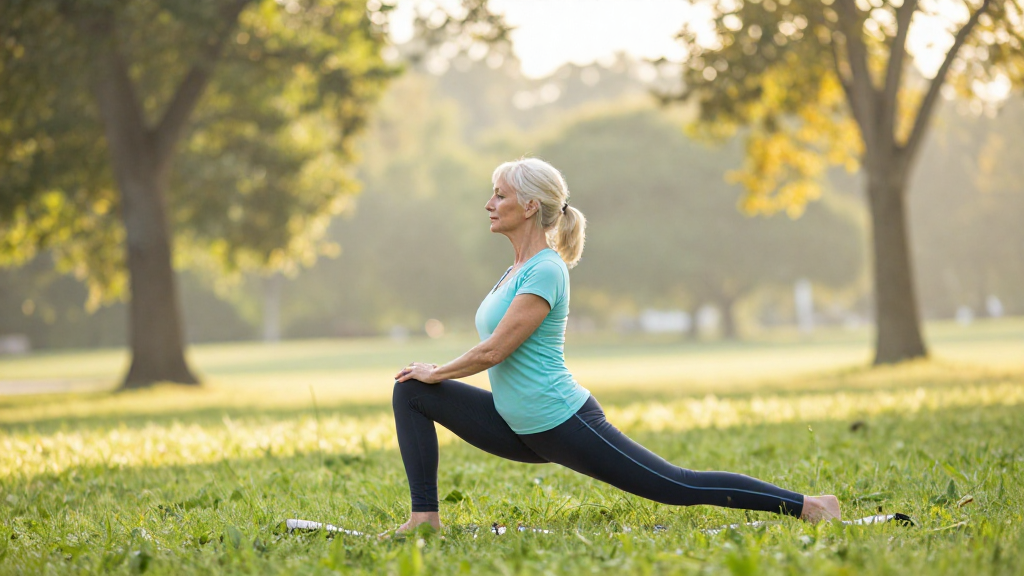
Fitness and healthy aging are closely linked in maintaining vitality as we grow older.
As we embark on the journey of aging, it’s crucial to understand how fitness plays a pivotal role in promoting our overall well-being.
What is Fitness and Healthy Aging?
Fitness encompasses various components, including cardiovascular endurance, muscular strength, flexibility, and balance.
These elements not only enhance our physical capabilities but are also vital in ensuring that we age gracefully and healthily.
Healthy aging refers to the process of developing and maintaining the functional ability that enables well-being in older age.
This means not just adding years to life, but also adding life to years, which can be significantly achieved through regular fitness activities.
How Does Fitness Promote Longevity?
Engaging in regular fitness routines can dramatically impact longevity.
Here are some ways fitness and healthy aging intersect to promote a longer life:
- Improved cardiovascular health: Regular aerobic exercises, such as walking, cycling, and swimming, boost heart health.
- Enhanced muscle strength: Resistance training, including weight lifting and bodyweight exercises, combats muscle loss that often accompanies aging.
- Better flexibility and balance: Activities like yoga and Pilates improve flexibility and balance, reducing the risk of falls—a significant concern for the elderly.
- Weight management: Fitness helps regulate weight, which can prevent diseases related to obesity like diabetes and heart disease.
Studies indicate that older adults who maintain a consistent fitness routine can expect to live longer, healthier lives than those who remain sedentary.
What Are the Mental Health Benefits of Fitness?
Mental health is an essential aspect of aging well, and fitness contributes significantly here.
Regular physical activity has been shown to improve mood and reduce feelings of depression or anxiety.
How does this happen?
- Endorphin release: Exercise triggers the release of endorphins, chemicals in the brain that act as natural painkillers and mood elevators.
- Social interaction: Participating in fitness classes fosters connections, combating loneliness—a common issue among older adults.
- Cognitive function: Engaging in physical activities helps improve cognitive functions including memory, attention, and problem-solving skills.
By integrating fitness into daily routines, older individuals can enhance their mental health and combat age-related cognitive decline.
How Does Fitness Help Maintain Independence?
One of the key components of healthy aging is the ability to maintain independence.
Fitness plays a crucial role in allowing older adults to live independently for longer.
Here’s how:
- Functional strength: Building and maintaining muscle strength allows seniors to perform daily activities, such as lifting groceries and climbing stairs.
- Balance and coordination: Engaging in activities that focus on balance, such as tai chi, helps minimize falls, which can drastically affect independence.
- Endurance: Improved cardiovascular fitness leads to better overall stamina, making it easier to engage in everyday activities without fatigue.
By prioritizing fitness, older adults can significantly reduce their reliance on caregivers and sustain their quality of life.
What Types of Fitness Activities Are Best for Older Adults?
When considering fitness and healthy aging, choosing the right types of activities is essential.
Here’s a breakdown of the most effective exercise categories:
-
Aerobic Exercise: Involves activities that raise heart rate and include walking, swimming, and dancing.
– Aim for at least 150 minutes of moderate-intensity aerobic activity each week. -
Strength Training: Utilizing weights or resistance bands to build muscle.
– Engage in strength training exercises two or more days per week, targeting all major muscle groups. -
Flexibility and Balance Exercises: These include yoga, stretching, and stability exercises.
– Perform these exercises at least two to three times a week for optimal results. -
Functional Activities: Such as gardening, playing with grandchildren, or anything that mimics daily life movements.
Incorporating a variety of these exercises not only enhances fitness levels but also keeps the routine enjoyable.
How Much Fitness is Necessary for Healthy Aging?
For effective fitness and healthy aging, it’s important to establish realistic goals and understand the frequency of workouts needed.
- Frequency: The CDC recommends older adults should engage in at least 150 minutes of moderate-intensity aerobic exercise weekly.
- Duration: Sessions can be split throughout the week, ensuring it remains manageable—such as 30 minutes five times a week.
- Variety: Include an assortment of activities to prevent boredom and target different areas of fitness.
As you progress, gradually increasing the intensity and duration will continue to challenge your body and keep it responsive.
What Role Does Diet Play Alongside Fitness?
While fitness is paramount, nutrition must not be overlooked when discussing fitness and healthy aging.
A balanced diet rich in whole foods can complement fitness efforts.
Some dietary considerations to pair with fitness include:
- Protein: Vital for muscle repair and growth. Foods like lean meats, fish, eggs, and legumes should feature prominently.
- Whole grains: Important for sustained energy during workouts.
- Fruits and veggies: Packed with vitamins, minerals, and antioxidants to support overall health.
- Hydration: Older adults often experience reduced thirst sensations; maintaining good hydration is essential for optimal physical performance.
When combined, a nutritious diet and regular fitness routine create a solid foundation for healthy aging.
Final Thoughts: Why Fitness Matters for Healthy Aging
In summary, the benefits of fitness and healthy aging are extensive and undeniable.
Regular exercise contributes to physical, mental, and emotional well-being, allowing us to maintain independence, improve life quality, and foster robust relationships.
Adopting a varied fitness routine tailored to individual preferences, goals, and capabilities is crucial.
By staying active, older adults can embrace healthy aging and enjoy the journey, thriving in both body and spirit.
Today, let’s take a step towards a healthier, more vibrant future filled with activity and joy!