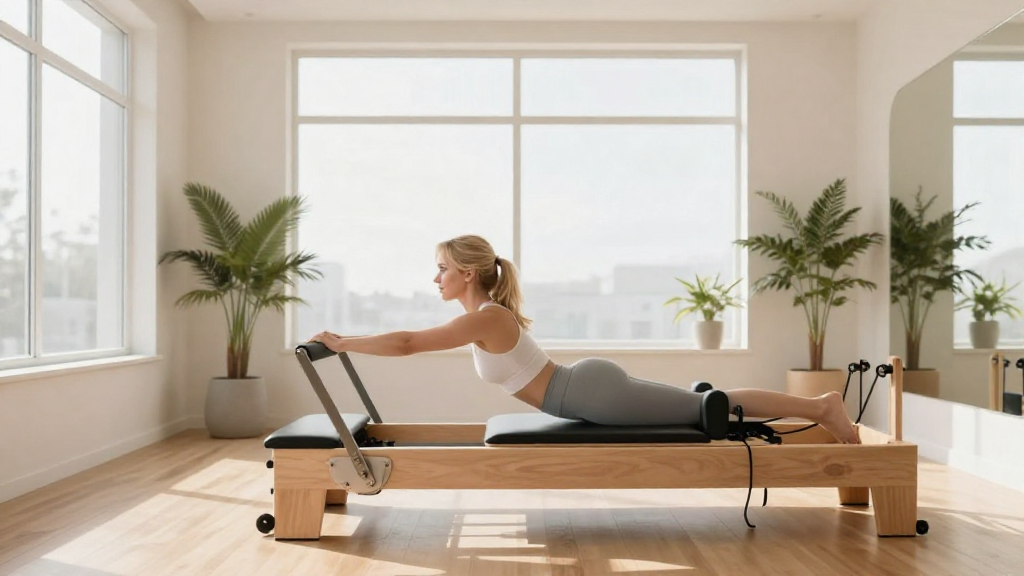
When considering effective workout regimes, fitness and Pilates are often associated with a myriad of health benefits.
Pilates has gained immense popularity over the years as a form of exercise that focuses on core strength, flexibility, and overall body awareness.
In this article, we will explore the significant fitness benefits of Pilates and why incorporating this practice into your fitness routine may be one of the best decisions you make for your health.
How Does Pilates Improve Core Strength?
One of the standout features of Pilates is its ability to enhance core strength.
Core exercises in Pilates target several muscles:
– Abdominals: Both upper and lower abdomen muscles are engaged.
– Obliques: Side torso muscles help with rotation and stability.
– Back Muscles: The lumbar region is given attention, promoting spinal health.
Pilates requires precise movements that engage these muscles, making them stronger and more coordinated.
A strong core leads to better posture, a decrease in back pain, and improved performance in various athletic activities.
Can Pilates Enhance Flexibility?
Yes, Pilates is an excellent way to improve flexibility as it emphasizes controlled movements and stretching.
Many Pilates exercises focus on:
– Dynamic stretching: Increases the range of motion by elongating muscles.
– Static stretching: Promotes muscle recovery and reduces injury risk.
The consistent practice of Pilates can lead to:
– Greater joint mobility.
– Improved muscle elasticity.
– Enhanced living through ease of movement, reducing stiffness often experienced with age.
Is Pilates Effective for Weight Management?
The connection between fitness and Pilates extends to weight management as well.
While Pilates may not burn as many calories as high-intensity workouts, it contributes to:
– Muscle tone: Increased muscle mass can help you burn more calories at rest.
– Posture improvement: Better posture promotes confidence and healthier body alignment, encouraging more movement throughout your day.
– Mind-body awareness: This practice supports making healthier lifestyle choices, which can aid weight management.
For sustainable weight loss, consider pairing Pilates with other aerobic activities like running or swimming.
How Does Pilates Benefit Mental Health?
In addition to physical enhancements, Pilates offers numerous mental health benefits.
Practicing Pilates helps with:
– Stress Reduction: The focus on breathing and controlled movements can provide a meditative experience, reducing stress and anxiety levels.
– Mindfulness: Each session encourages you to be present in the moment, fostering a better connection between mind and body.
– Improved Sleep Quality: Better physical activity levels can lead to enhanced sleep patterns, contributing to overall wellness.
Regularly participating in Pilates can lead to a healthier mindset, making it easier to tackle daily challenges.
What Role Does Pilates Play in Rehabilitation?
Pilates is increasingly recognized in rehabilitation settings due to its ability to support injury recovery and management.
Many physical therapists incorporate Pilates routines to:
– Restore Balance: Gentle movements help regain muscle coordination after an injury.
– Enhance Mobility: Focused stretching and strengthening can assist in recovering joint function.
– Prevent Future Injuries: Building strength and flexibility reduces the risk of re-injury.
If you’re recovering from an injury or managing chronic pain conditions, consider consulting a specialist about how Pilates might be included in your rehabilitation plan.
Can Pilates Improve Athletic Performance?
For athletes, integrating fitness and Pilates into their training routines can bring significant advantages.
Benefits for athletes include:
– Enhanced Performance: Increased core strength leads to better stability and balance, critical for any sport.
– Reduced Injury Risk: Strengthening muscles provides better support for joints, minimizing the chance of sprains or strains.
– Greater Body Awareness: Improved coordination and control translate to better execution of sport-specific skills.
Whether you’re a runner, cyclist, or dancer, Pilates can complement your training routine effectively.
Is Pilates Suitable for Everyone?
Yes, one of Pilates’ strongest attributes is its adaptability.
People of all fitness levels and ages can benefit from Pilates, as modifications can be tailored to individual capabilities.
Classes often range from:
– Beginner: Focus on foundational movements and basic principles.
– Intermediate: Introduces more complex exercises with varying intensity.
– Advanced: High-level challenges for seasoned practitioners.
Moreover, modifications ensure everyone can participate, whether you are working with injuries, are pregnant, or are simply looking to improve general fitness.
How Can You Get Started with Pilates?
Getting started with Pilates is easier than you might think!
Here are a few tips to begin your journey:
- Find a Class: Look for local studios or online classes that cater to your level.
- Invest in Equipment: While many classes use mats, consider trying a reformer for a different experience.
- Commit to Regular Practice: Incorporate Pilates into your fitness routine at least 2-3 times per week.
- Listen to Your Body: Focus on your body’s limits, allowing for modifications as needed.
By making Pilates a regular part of your routine, you’ll reap its many fitness benefits.
Conclusion: Why Choose Fitness and Pilates?
The benefits of incorporating Pilates into your fitness regime are manifold, ranging from improved core strength and flexibility to overall enhancements in mental and physical health.
Whether you’re looking to complement your existing workouts, recover from an injury, or simply adopt a healthier lifestyle, fitness and Pilates provide a unique, holistic approach to achieving your wellness goals.
Explore classes, invest time in learning, and enjoy the journey that Pilates offers toward a healthier you!
By prioritizing both physical and mental well-being through Pilates, you’ll discover new ways to appreciate movement and embrace a balanced lifestyle.