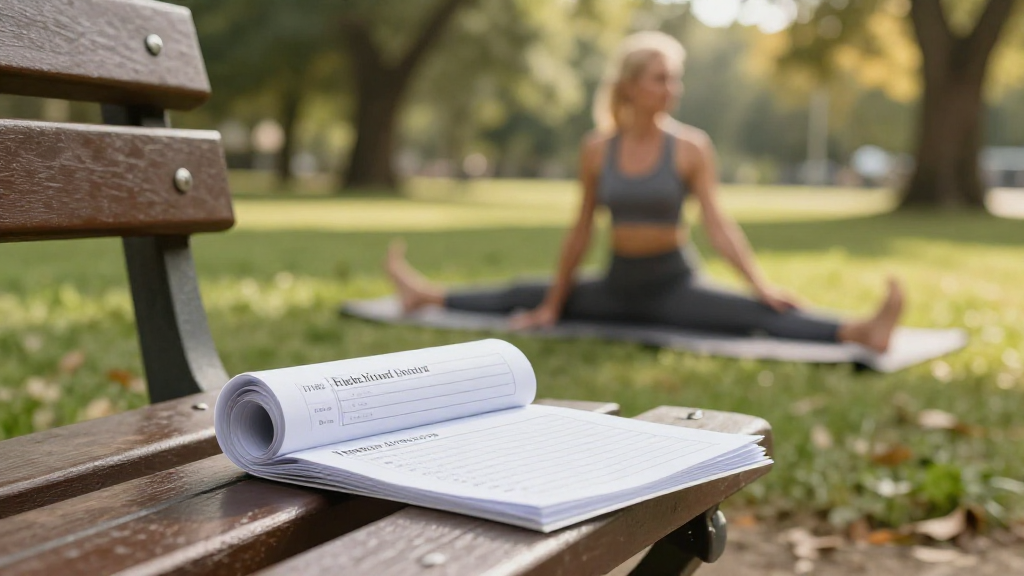
Creating a tailored fitness checklist by age is crucial for optimizing health and well-being.
When you understand the specific fitness needs of different age groups, you can create an effective roadmap towards achieving your fitness goals. This guide will outline the essential components of a fitness checklist by age, ensuring that individuals of all ages can stay active and healthy.
Why Is a Fitness Checklist Important for Different Ages?
A fitness checklist by age serves as a personalized guide that considers the unique physical and mental changes that occur as we grow older.
Key Reasons Include:
- Tailored workouts that align with physical capabilities.
- Reduced risk of injury by focusing on age-appropriate exercises.
- Promotion of mental and emotional well-being alongside physical fitness.
By creating a fitness checklist that accounts for age-related changes, you equip yourself or your loved ones with the resources needed to stay fit at every stage of life.
What Does a Fitness Checklist Look Like for Young Adults (Ages 18-30)?
For young adults, fitness often focuses on building strength, endurance, and establishing healthy habits.
Essential Elements:
- Cardiovascular Training: Aim for at least 150 minutes of moderate aerobic activity weekly. Options may include:
- Running
- Cycling
-
Swimming
-
Strength Training: Include strength exercises at least two days per week focusing on major muscle groups:
- Bodyweight exercises (push-ups, squats)
-
Weight lifting (dumbbells, kettlebells)
-
Flexibility and Mobility: Dedicate time to stretching and flexibility exercises to enhance physical performance and prevent injuries:
- Yoga sessions
-
Dynamic stretching routines
-
Nutrition Focus: Balanced, nutrient-rich meals centered around:
- Lean proteins
- Fruits and vegetables
-
Whole grains
-
Mental Health Awareness: Incorporate practices that promote mental well-being, such as:
- Mindfulness or meditation
- Regular social activities
Establishing a solid fitness checklist by age during these formative years sets a foundation for lifelong health habits.
How Should the Fitness Checklist Change for Individuals Aged 30-50?
As we transition into middle age, our bodies begin to undergo significant transformations, making it necessary to adapt the fitness checklist by age accordingly.
Essential Elements:
- Cardiovascular Training: Continue with 150 minutes of moderate aerobic activity but consider higher intensity workouts for added benefits:
- High-Intensity Interval Training (HIIT)
-
Dance classes, like Zumba
-
Strength Training: Focus on functional movements that reinforce core stability and support daily activities:
- Resistance bands
-
Free weight exercises
-
Flexibility and Mobility: Regular stretching routines become crucial to maintain joint health:
- Pilates
-
Regular yoga practice
-
Nutrition Focus: Increase dietary awareness to support metabolic changes:
- Incorporate more fiber
-
More emphasis on healthy fats (avocados, nuts)
-
Mental Health Support: Manage stress levels with:
- Regular breathing exercises
- Engaging in hobbies
This tailored approach to a fitness checklist by age not only safeguards physical health but also promotes emotional resilience.
What Fitness Goals Should Seniors (Ages 50+) Focus On?
In the senior years, the fitness checklist by age shifts to prioritize maintaining physical independence and health.
Essential Elements:
- Cardiovascular Training: Maintain at least 150 minutes of aerobic activity per week but modify to lower-impact exercises:
- Walking
- Swimming
-
Stationary cycling
-
Strength Training: Focus on exercises that enhance balance, stability, and muscle preservation, aiming for at least two days a week:
- Light weights
-
Resistance band workouts
-
Flexibility and Mobility: Regular flexibility sessions are key to maintain range of motion:
- Gentle stretching
-
Tai Chi
-
Nutrition Focus: Watch for changes in nutritional needs, focusing on:
- Calcium-rich foods for bone health
-
Hydration to combat decreased thirst sensation
-
Mental Health Engagement: Stay mentally active through social involvement and cognitive exercises:
- Game nights with family
- Learning new skills or hobbies
Implementing a fitness checklist by age in your 50s and beyond not only enhances physical capabilities but contributes to a healthier, happier life.
How Can Families Create a Combined Fitness Checklist?
Creating a collective fitness checklist by age can foster stronger family bonds while promoting health.
Strategies for Family Involvement:
- Family Workouts: Designate specific times for family hikes or bike rides.
- Cooking Together: Prepare healthy meals as a family, involving everyone in the process.
- Education: Share information on fitness and nutrition to raise awareness amongst all age groups.
- Community Activities: Participate in family-friendly fitness events, such as charity runs or community sports.
By collectively investing in health, families create an environment that supports sustainable fitness practices—tailoring your fitness checklist by age allows everyone to contribute according to their capability.
In Summary
Understanding the nuances of a fitness checklist by age empowers individuals to cultivate a sustainable, adaptable approach to fitness throughout their lifespan.
From young adulthood to senior years, the emphasis should remain on personalizing fitness goals according to individual needs while considering the transformative nature of aging.
Key Takeaways:
- Young adults should focus on building strength and endurance.
- Middle-aged individuals should adapt their fitness to maintain muscle and core stability.
- Seniors must prioritize mobility and independence to retain quality of life.
- Families can engage collectively in wellness journeys for mutual support.
By following these guidelines, all age groups can better emphasize fitness, embrace challenges, and enjoy a healthier, more fulfilling life.