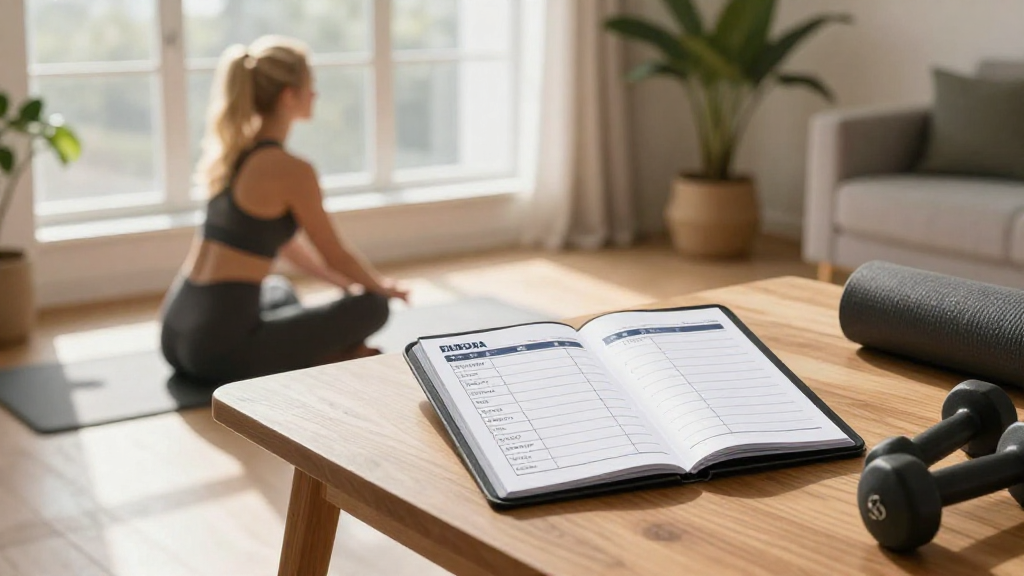
Creating a structured fitness schedule planner is crucial for achieving your health goals.
Having a well-organized plan not only keeps you motivated but also maximizes the effectiveness of your workouts.
What Does a Fitness Schedule Planner Include?
A comprehensive fitness schedule planner typically consists of:
- Workout types: cardio, strength training, flexibility exercises, and recovery sessions.
- Duration: how long each session will last, be it 30 minutes or an hour.
- Frequency: the number of workouts per week and their distribution (e.g., 3 days of strength training and 2 days of cardio).
- Progress trackers: tools for monitoring your improvements, such as workout logs or apps.
By integrating these components into your fitness schedule planner, you can create a personalized approach that suits your lifestyle, preferences, and fitness goals.
How Do You Assess Your Fitness Level?
Before diving into a fitness schedule planner, it’s important to evaluate your current fitness level. Consider the following:
-
Self-assessment: Set clear, realistic fitness goals, such as losing weight, building muscle, or enhancing endurance.
-
Consult professionals: If possible, speak with a certified personal trainer or a fitness coach for a professional assessment.
-
Fitness tests: Assess your strength, flexibility, endurance, and body composition through specific tests.
Understanding your starting point will guide you in creating an effective fitness schedule planner that challenges you without risking injury.
How Many Days a Week Should You Workout?
The answer often varies depending on your fitness goals and schedule, but generally, here’s a breakdown:
-
Beginners: Aim for 3-4 days a week.
-
Intermediate levels: Move to 4-5 days, splitting your workouts between strength and cardio.
-
Advanced levels: Consider 5-6 days, focusing on specific muscle groups or high-intensity sessions.
A balanced fitness schedule planner might look like this:
- Day 1: Upper body strength
- Day 2: Cardio (running, cycling, etc.)
- Day 3: Lower body strength
- Day 4: Flexibility and recovery (yoga or Pilates)
- Day 5: Full-body workout
- Day 6: Cardio (HIIT)
- Day 7: Rest
This provides a balanced approach, allowing for adequate rest and recovery.
What Types of Workouts Should You Include?
A well-rounded fitness schedule planner includes a mix of different workout types, such as:
-
Cardiovascular exercises
Examples: running, cycling, swimming, and aerobic classes. -
Strength training
Exercises: weightlifting, bodyweight workouts, resistance bands, etc. -
Flexibility exercises
Including yoga or stretching routines, which can improve mobility and prevent injury. -
Rest days
Rest and recovery days are crucial in any plan to avoid burnout and injuries.
By mixing these workout types, you’ll not only avoid boredom but also work on all aspects of your fitness.
How Do You Track Your Progress?
Tracking your progress is an integral part of your fitness journey. Here are some ways to effectively monitor your achievements:
-
Workout logs: Keep a diary of your workouts, noting exercises, sets, reps, and weights used.
-
Apps: Numerous fitness apps aid in tracking workouts, nutrition, and progress photos.
-
Measurements: Regularly take measurements of your body (e.g., weight, waist circumference) to see physical changes.
-
Goals: Set short-term and long-term goals, making them measurable for better tracking.
Incorporating these methods into your fitness schedule planner keeps you accountable and motivated!
How Flexible Should Your Fitness Schedule Be?
Flexibility is key to a successful fitness schedule planner. Life can be unpredictable, and sticking strictly to your plan may lead to frustration.
-
Adjust goals: If you miss a workout, don’t beat yourself up. Reflect on what can be adjusted for future plans.
-
Alternate workouts: Substitute workouts to keep your fitness routine enjoyable while ensuring that your fitness goals remain on track.
-
Incorporate active rest: If you have a packed day but still want to stay active, consider light physical activities like walking or stretching.
Being adaptable lets you stay committed in the long run.
How to Stay Motivated with Your Fitness Schedule Planner?
Staying motivated on your fitness journey is essential. Here are a few tips:
-
Set SMART goals: Specific, Measurable, Achievable, Relevant, and Time-bound goals provide clarity.
-
Find a workout buddy: Exercising with a friend can make it more fun and hold you accountable.
-
Reward yourself: Celebrate milestones or achievements with small rewards.
-
Stay inspired: Follow fitness accounts on social media, read success stories, or watch motivational videos.
Keeping your enthusiasm high maximizes the efficacy of your fitness schedule planner.
What Resources Can Help You Plan Your Fitness Schedule?
Apart from personal insights, various resources can assist in creating a robust fitness schedule planner:
-
Online templates: You can find countless fitness schedule planners online that can simplify the planning process.
-
Fitness apps: Apps like MyFitnessPal or JEFIT can offer workout advice, meal tracking, and scheduling.
-
YouTube channels: Channels providing workout routines can give you new ideas and guidance on different types of exercises.
Maximizing these resources can lead to a more structured and effective plan tailored just for you.
Final Thoughts
Planning your fitness schedule efficiently can seem daunting, but it becomes easier with a well-constructed fitness schedule planner.
Evaluating your fitness level, setting clear goals, and creating a balanced workout regimen are pivotal steps in achieving your health and wellness objectives.
Remember to track your progress, adapt your schedule as needed, stay motivated, and utilize available resources.
With these approaches, you’re well on your way to fostering a fulfilling fitness journey!
Take the leap, invest time in planning, and watch how a well-organized fitness schedule planner can transform your workouts and inspire a healthier lifestyle.