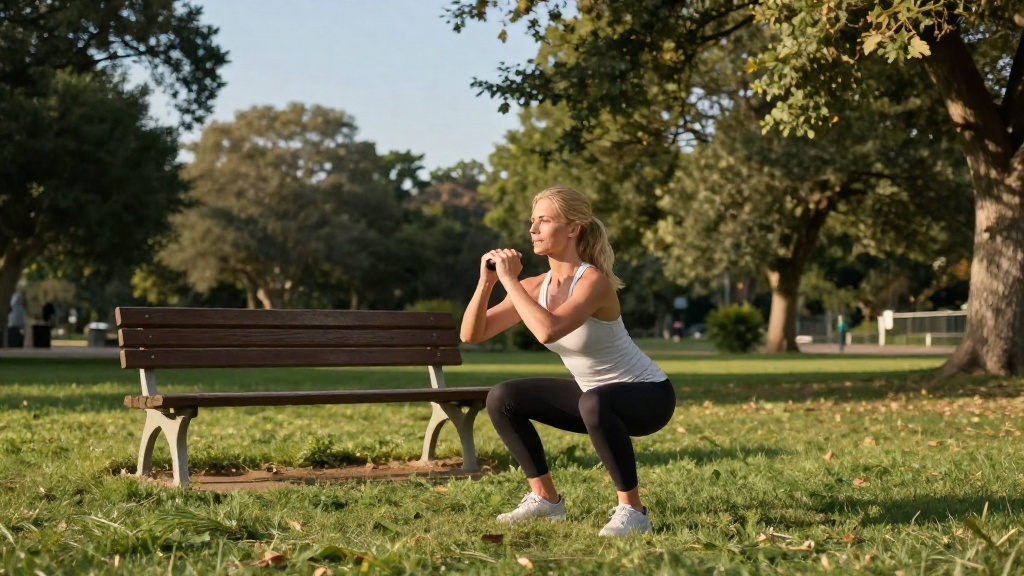
Creating a fitness program without weights can effectively help you achieve your health goals while maintaining flexibility and accessibility.
Why Choose a Fitness Program Without Weights?
When someone thinks about losing weight or building muscle, weights often come to mind. However, there are numerous reasons for adopting a fitness program without weights:
-
Accessibility: You can perform bodyweight exercises at home or outdoors, without the need for a gym.
-
Cost-Effective: A fitness program without weights eliminates the need for expensive equipment.
-
Flexibility: You can tailor your program to suit your schedule and environment.
-
Reduced Injuries: Bodyweight exercises often place less strain on joints compared to heavy lifting.
By focusing on a fitness program without weights, you can harness the power of your own body to build strength, flexibility, and endurance.
What Are the Components of a Fitness Program Without Weights?
An effective fitness program consists of several components. Here’s what you need to focus on:
- Cardiovascular Endurance
- Walking, jogging, or cycling
- High-Intensity Interval Training (HIIT) can easily be done without weights.
- Strength Training
- Utilize bodyweight exercises such as:
- Push-ups
- Pull-ups
- Squats
- Lunges
- Flexibility and Mobility
- Incorporate stretches and mobility drills like yoga or Pilates.
- Balance and Stability
- Use exercises like single-leg stands or stability ball routines to engage core stability.
- Rest and Recovery
- Ensure that you incorporate rest days to allow for muscle repair.
How to Design Your Fitness Program Without Weights?
Step 1: Set Clear Goals
One of the first steps in creating a fitness program without weights is to set clear and attainable goals.
-
Are you aiming for weight loss?
-
Do you want to improve your endurance?
-
Or are you focusing on building muscle definition?
Define your goals to direct your efforts effectively.
Step 2: Determine Your Weekly Schedule
Organize your fitness program without weights by establishing a weekly schedule.
-
Start with 3-5 days per week, depending on your current fitness level.
-
Schedule workouts for 30-60 minutes each session.
-
Don’t forget to include rest days!
Step 3: Choose Your Exercises
With your goals and schedule in hand, it’s time to select exercises. Here’s a sample list you can use:
- For Upper Body:
- Push-ups
- Tricep dips
-
Plank shoulder taps
-
For Lower Body:
- Bodyweight squats
- Lunges (forward, reverse, side)
-
Glute bridges
-
For Core:
- Planks (front and side)
- Bicycle crunches
- Mountain climbers
Step 4: Structure Your Workouts
A structured workout routine will enhance the effectiveness of your fitness program without weights.
Sample Workout Routine
Warm-Up (5-10 minutes)
- Dynamic stretches
- Arm circles, leg swings, and high knees
Main Routine (20-40 minutes)
- Upper Body Circuit (Repeat 2-3 times):
- 10-15 Push-ups
- 10-15 Tricep dips
-
30 seconds Plank shoulder taps
-
Lower Body Circuit (Repeat 2-3 times):
- 15 Bodyweight squats
- 10 Lunges per leg
-
15 Glute bridges
-
Core Circuit (Repeat 2-3 times):
- 30 seconds Front plank
- 15 Bicycle crunches
- 30 seconds Mountain climbers
Cool Down (5-10 minutes)
- Static stretches focusing on major muscle groups.
Step 5: Track Your Progress
Tracking your progress is essential in any fitness program without weights.
-
Keep a journal of your workouts to monitor improvements.
-
Note changes in strength and endurance, and celebrate milestones.
-
Adjust your program as needed, adding more repetitions or variations.
Can You Strength Train Without Weights?
Absolutely! Strength training without weights can be just as effective as traditional weightlifting.
Bodyweight exercises can engage multiple muscle groups and promote overall strength.
- Progressive overload can be achieved by increasing reps, changing the tempo, or adding difficulty through variations.
For example, you can transition from standard push-ups to decline push-ups or one-arm push-ups.
Such variations keep your fitness program without weights challenging and engaging.
How to Keep Yourself Motivated?
Staying motivated is key to ensuring the success of your fitness program without weights.
Here are some strategies to maintain your enthusiasm:
-
Set Short-Term Goals: Celebrate small victories to keep you encouraged.
-
Find a Workout Buddy: Exercising with a partner can make workouts more enjoyable.
-
Explore New Workouts: Regularly try new routines and exercises to keep things fresh.
-
Join Online Communities: Engage with like-minded individuals who can offer support and encouragement.
Conclusion
Building a fitness program without weights is an empowering way to enhance your physical health.
By focusing on bodyweight exercises, you can cultivate strength, flexibility, and endurance.
Remember to set clear goals, structure your workouts, and stay motivated.
The flexibility and accessibility of a program without weights can fit seamlessly into your lifestyle, making it easier for you to achieve your fitness aspirations.
So, why wait? Start your journey today with a customized fitness program without weights and embrace this rewarding and empowering experience!