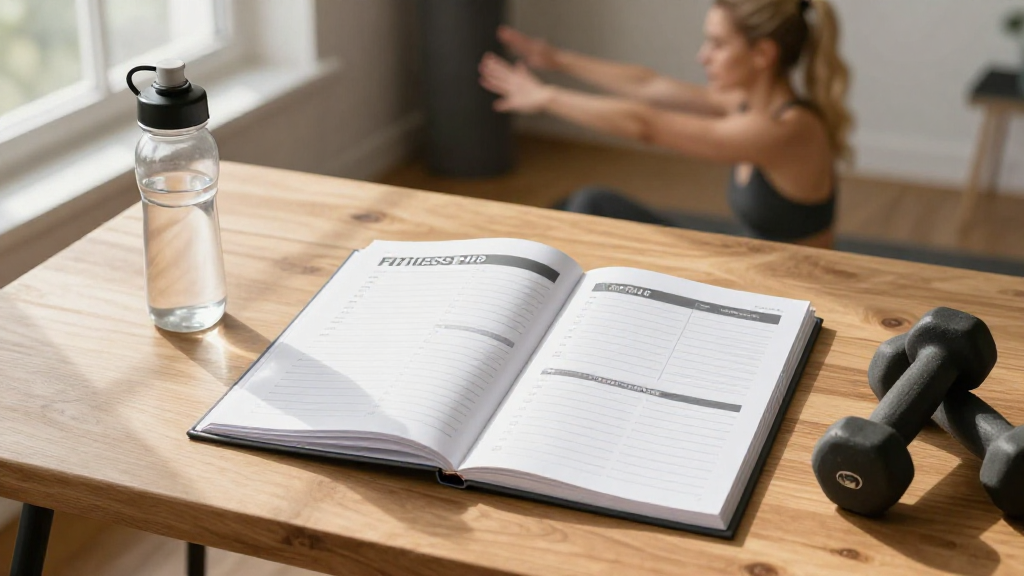
A fitness log template is an essential tool for anyone serious about tracking their health and fitness journey.
Using a fitness log template can help you monitor your progress, set goals, and stay motivated.
Why Use a Fitness Log Template?
Using a fitness log template is beneficial for people at all levels of fitness—from beginners just starting out to seasoned athletes.
Here are some reasons why you should consider using a fitness log template:
-
Accountability: Keeping track of your workouts makes it less likely you’ll skip sessions.
-
Progress Tracking: A fitness log template allows you to visualize improvements over time, from increased weights to longer durations.
-
Goal Setting: Being able to look back at what you’ve accomplished helps in setting future objectives.
-
Nutritional Awareness: Some templates encompass meal tracking as well, providing an all-in-one solution.
What Essential Sections Should the Fitness Log Template Have?
When creating or choosing a fitness log template, there are several essential sections worth including:
1. What Types of Workouts Will You Log?
Every fitness log template should cater to the specific types of workouts you plan to track.
Examples include:
-
Strength Training: Include exercises, weights, sets, and repetitions.
-
Cardiovascular Training: Track activities like running, cycling, or swimming, including distance and time.
-
Flexibility and Mobility: Record yoga sessions or stretching routines.
2. How Will You Track Your Goals?
Goal-tracking is a crucial element of any fitness log template.
This section should include:
-
Short-term Goals: Targets you want to accomplish in a few weeks or months.
-
Long-term Goals: Larger objectives that might take a year or more.
-
Performance Indicators: How will you measure success (e.g., weight loss, muscle gain, endurance)?
3. Will You Include Workout Duration and Intensity?
Recording the duration and intensity of your workouts is vital for understanding your efforts.
Your fitness log template should offer space for:
-
Time Spent: How long was your workout?
-
Intensity Levels: Rate your workout on a scale from 1-10, or use descriptors like “light,” “moderate,” and “intense.”
4. How About Tracking Nutrition and Hydration?
Nutrition plays a significant role in fitness.
Including a section for tracking meals and hydration can enhance your understanding of your overall health.
Consider including:
-
Meal Types: What you ate for breakfast, lunch, and dinner, including snacks.
-
Macronutrients: Carbohydrates, proteins, and fats.
-
Hydration: Tracking water intake throughout the day.
5. Will You Log Your Recovery and Rest Days?
A good fitness log template should also focus on recovery.
Here are some elements to consider including:
-
Rest Days: Note which days you took a break and why.
-
Recovery Techniques: Record any methods you used, such as stretching, foam rolling, or massages.
6. How Will You Monitor Your Progress?
Regularly assessing your progress is essential in any fitness journey.
Your fitness log template should include:
-
Weekly or Monthly Wrap-Ups: Space to summarize overall progress every week or month.
-
Milestones Achieved: List any significant milestones, like lifting a certain weight or completing a specific distance.
7. Will it Include a Reflection Section?
Reflection helps solidify your learnings and provides insight into your habits.
In your fitness log template, you could include:
-
Feelings About Workouts: How did you feel before and after exercising?
-
Challenges Faced: What obstacles did you encounter, and how did you overcome them?
-
Lessons Learned: Provide space for lessons or adjustments for future workouts.
Where Can You Find a Fitness Log Template?
If you’re looking for a fitness log template, there are various resources available.
-
Online Templates: Websites like Canva and Google Sheets offer free customizable fitness log templates.
-
Printable Options: You can also find downloadable templates that you can print and fill in manually.
-
Fitness Apps: Many fitness tracking apps come with log features, allowing you to combine your fitness log with tracking technology.
-
DIY Templates: If you prefer customization, creating your own from scratch can provide a more personalized touch.
How Often Should You Update Your Fitness Log?
Consistency is key when using a fitness log template.
To reap the full benefits, update your log regularly:
-
Aim to log your workouts daily or at the very least weekly.
-
Regular updates allow for quicker adjustments in your routines.
Conclusion: Making the Most of Your Fitness Log Template
Incorporating a fitness log template into your fitness routine can significantly affect your journey toward achieving your goals.
With a structured approach to tracking your workouts, nutrition, and personal reflections, you’ll find it easier to stay engaged and accountable.
Feel free to modify it based on your needs and watch how your efforts pay off over time.
Creating a habit of logging your workouts is one of the best tools you can have in your fitness arsenal.
Additional Tips for Using Your Fitness Log
-
Be Honest: Make sure to log your workouts truthfully for accurate tracking.
-
Review Often: Regularly go over your entries to see where adjustments are needed.
-
Keep It Accessible: Whether digital or physical, ensure your fitness log template is easily reachable for quick updates.
By keeping these considerations in mind, you’ll be well-prepared to utilize your fitness log template effectively. Happy logging!