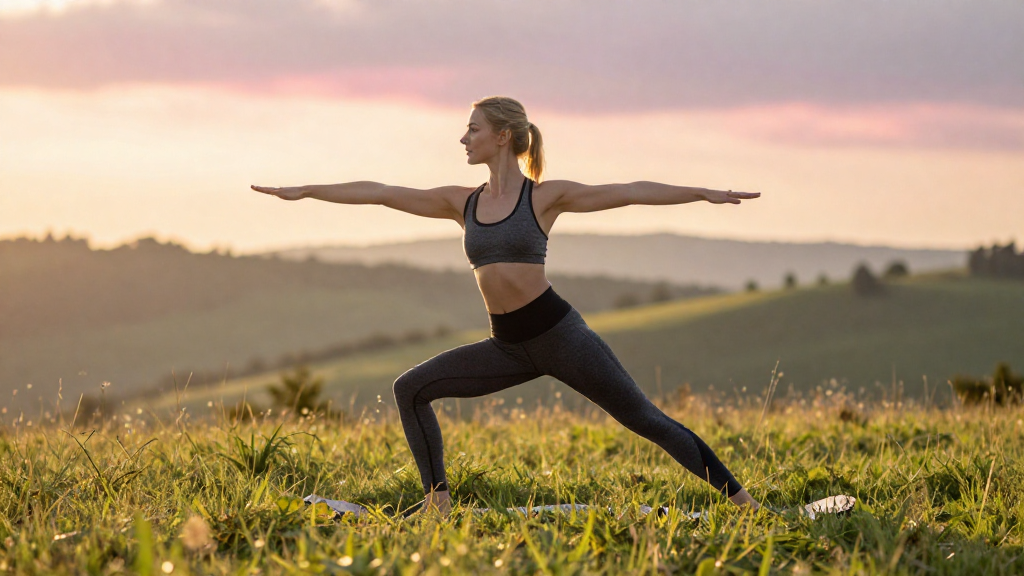
Are you looking for ways to enhance your stability and coordination? Engaging in fitness for better balance can play a crucial role in achieving your goals. In this article, we will explore how fitness improves balance and the various ways you can incorporate exercise into your routine for better stability.
What Is Balance and Why Is It Important?
Balance refers to the ability to maintain your body’s position, whether you are stationary or in motion.
Good balance is vital for several reasons:
- Daily Activities: It affects everyday tasks like walking, running, and even standing.
- Injury Prevention: Enhanced balance reduces the risk of falls and injuries, especially in older adults.
- Performance Enhancement: Athletes benefit from improved balance, leading to better performance in their respective sports.
- Posture Control: Good balance contributes to better posture, which can alleviate back pain and improve overall health.
How Does Fitness for Better Balance Work?
When we talk about fitness for better balance, we refer to specific exercises and activities that enhance stability through physiological and biomechanical improvements.
Here are some ways fitness improves balance:
-
Strengthening Core Muscles
– The core includes muscles in the abdomen, lower back, hips, and pelvis.
– A strong core is crucial for maintaining posture and stability.
– Exercises like planks and pilates are excellent for core strengthening. -
Enhancing Flexibility
– Flexibility allows for a greater range of motion, which is essential for balance.
– Stretching exercises like yoga can help improve flexibility, contributing to better stability. -
Developing Coordination
– Many fitness activities require coordination between different muscle groups.
– Sports or exercises such as dance, martial arts, and even team sports promote coordination, ultimately leading to improved balance. -
Boosting Joint Stability
– Fitness for better balance often includes resistance training, which improves the strength and stability of the joints.
– Strengthening specific muscle groups around joints like the knees and ankles enhances proprioception, the body’s ability to perceive its position in space. -
Improving Overall Body Awareness
– Fitness activities increase consciousness and awareness of body movements and positions.
– This awareness is vital for maintaining balance, particularly when making sudden movements or changes in direction.
What Exercises Can I Do?
Incorporating specific exercises into your fitness routine can significantly enhance your balance.
Here are some effective exercises for better balance:
1. Balance Training Exercises
- Single-leg stands: Stand on one leg for as long as possible while maintaining good posture.
- heel-to-toe walk: Walk in a straight line, placing the heel of one foot directly in front of the toes of the other.
- Bosu ball workouts: Use a Bosu ball to challenge your balance by performing exercises on its unstable surface.
2. Core Strengthening Exercises
- Planks: Keep your body straight, supporting your weight on your forearms and toes.
- Russian twists: Sit on the floor with your knees bent and rotate your torso side to side while holding a weight.
- Bridges: Lie on your back with knees bent and lift your hips while keeping your feet planted on the ground.
3. Flexibility Exercises
- Yoga poses: Incorporate poses such as Tree Pose, Warrior III, and Half-Moon Pose into your practice.
- Dynamic stretches: Perform leg swings, arm circles, and torso rotations to improve your flexibility.
4. Coordination Exercises
- Dance classes: Join a dance class to work on your rhythm and coordination.
- Martial arts: Engaging in martial arts helps enhance balance, reflexes, and coordination.
5. Resistance Training
- Squats: Perform squats with or without weights to strengthen leg muscles.
- Lunges: Incorporate various types of lunges to build lower body strength and stability.
- Deadlifts: Focus on controlled movement to engage multiple muscle groups, improving overall balance.
How Often Should I Integrate Fitness for Better Balance?
To effectively improve your balance, consistency is key.
Here is a general guideline:
- Frequency: Aim for balance-focused exercises 2-3 times a week.
- Duration: Incorporate balance training into your workout for 10-15 minutes.
- Variety: Mix different types of exercises to target various muscles and balance components.
What Other Factors Influence Balance?
While fitness for better balance is essential, several other aspects also play a role in maintaining stability:
- Nutrition: A balanced diet supports muscle health and overall physical condition.
- Hydration: Staying adequately hydrated is crucial for cognitive functions and muscle performance.
- Sleep: Quality sleep aids recovery and maintains cognitive function, which is vital for balance.
How Can I Track My Progress?
Tracking your balance improvement can help you stay motivated.
Here are some ways to monitor your progress:
- Time Yourself: Record how long you can maintain a single-leg stance or other balance exercises.
- Journal Your Routine: Keep a fitness journal to track the types of balance exercises you perform and how you feel after them.
- Use Technology: Consider using apps or wearables that measure your balance and stability.
Conclusion
Incorporating fitness for better balance into your routine is paramount for enhancing stability, preventing injuries, and improving overall well-being.
By focusing on core strength, flexibility, coordination, and joint stability, you can reap the benefits that come from better balance.
Engage in a variety of exercises tailored to your specific needs and abilities, and make sure to stay consistent.
With the right approach, you’ll enjoy greater stability in your everyday activities and sports, leading to a healthier, more active lifestyle.
Start your journey to better balance today!