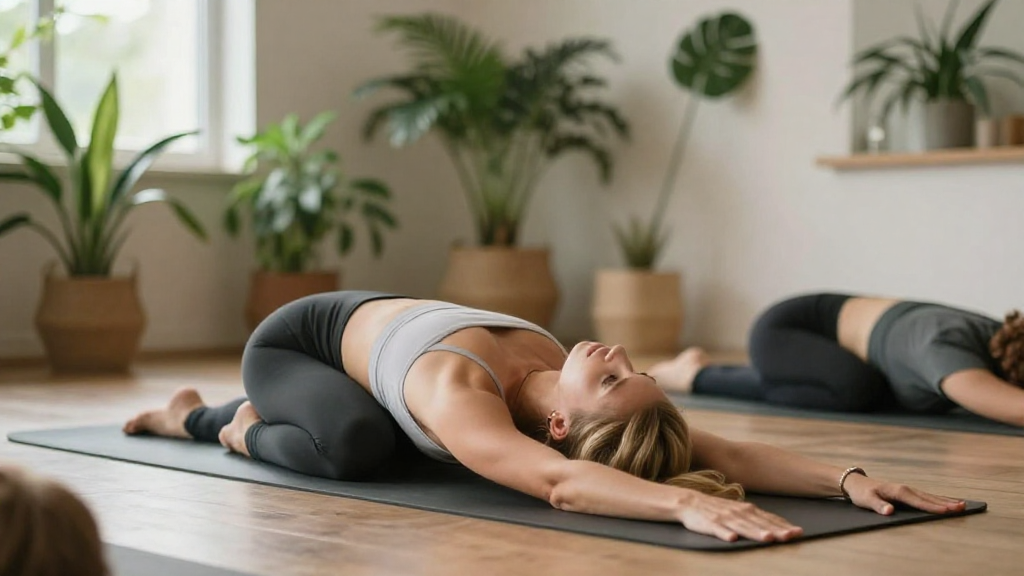
Achieving optimal fitness flexibility routines is essential for improving your overall athletic performance and daily function.
Why Are Fitness Flexibility Routines Important?
Engaging in regular fitness flexibility routines can provide numerous benefits, including:
-
Enhanced Range of Motion: Flexibility allows for a greater range of motion around joints.
-
Injury Prevention: Improved flexibility can reduce the risk of strains and sprains.
-
Better Posture: Flexible muscles contribute to better alignment and less strain on your body.
-
Improved Athletic Performance: Increased flexibility aids in executing various sports maneuvers with ease.
-
Increased Blood Circulation: Stretching routines promote blood flow, which can aid in muscle recovery.
Incorporating stretching and flexibility exercises into your workout routine can support these benefits while ensuring you recover effectively from intense workouts.
What Are Some Effective Fitness Flexibility Routines?
Below are some of the best fitness flexibility routines to enhance your overall flexibility and mobility:
1. Dynamic Stretching Routine
Dynamic stretching is essential in preparing your body for physical activity.
Performing these movements pre-workout can help you increase blood flow and improve coordination.
Key exercises include:
-
Leg Swings: Swing one leg forward and backward while balancing on the other leg.
-
Arm Circles: Extend your arms out to the sides and make small circles, gradually getting larger.
-
Torso Twists: Stand with your feet shoulder-width apart and twist your torso from left to right.
2. Static Stretching Routine
Post-workout is the ideal time to incorporate static stretching into your fitness flexibility routines.
This form of stretching helps elongate muscles and improve flexibility.
Essential static stretches include:
-
Hamstring Stretch: Sit with one leg extended and reach towards your toes, holding the position for 20-30 seconds.
-
Quadriceps Stretch: Stand on one leg, pulling the opposite foot towards your glutes for 20-30 seconds.
-
Shoulder Stretch: Bring one arm across your body, using the other arm to gently push it towards yourself.
3. Yoga for Flexibility
Yoga is an excellent way to incorporate fitness flexibility routines into your life.
Different styles of yoga focus on flexibility and can improve overall body awareness.
Popular yoga poses for flexibility include:
-
Downward-Facing Dog: This pose stretches the hamstrings, calves, and shoulders.
-
Pigeon Pose: Great for deeply stretching the hip flexors and glutes.
-
Forward Fold: Enhances flexibility in the spine and hamstrings.
How Often Should You Incorporate Flexibility Routines?
For optimal results, aim to include fitness flexibility routines into your weekly schedule:
-
Dynamic Stretching: Before every workout session.
-
Static Stretching: After workouts 3-5 times a week.
-
Yoga: 1-3 times a week for overall well-being.
Listen to your body, and adjust the frequency as needed based on your training intensity.
Can Fitness Flexibility Routines Be Customized?
Absolutely!
Customizing your fitness flexibility routines based on your specific needs or sport can be highly advantageous.
Here are some tips to create your own personalized routine:
-
Identify Areas of Need: Take note of your tight muscles and focus on those areas.
-
Include a Variety of Stretches: Incorporate a blend of static, dynamic, and yoga stretches.
-
Set Goals: Determine if you want to improve flexibility for sports or general wellness.
-
Consider Using Props: Yoga blocks, straps, and resistance bands can enhance your stretches.
-
Track Progress: Journal your flexibility journey to motivate yourself and adjust as needed.
What Are the Common Mistakes in Flexibility Routines?
Avoid these pitfalls to maximize your fitness flexibility routines:
-
Skipping Warm-Up: Always start with a warm-up to prevent injury.
-
Overstretching: Stretch gently to avoid straining your muscles.
-
Incorrect Form: Focus on proper technique to ensure you’re effectively targeting each muscle group.
-
Lack of Consistency: Regular practice is vital for seeing gains in flexibility.
-
Neglecting Breath: Breathe deeply and steadily during stretches to help relax your body.
How Can You Incorporate Flexibility Routines into Daily Life?
Even if you can’t fit in a full workout, small adjustments can help:
-
Desk Stretches: Try simple neck, shoulder, and wrist stretches during breaks.
-
Post-Activity Stretches: Stretch out after playing sports or engaging in physical activity.
-
Family Stretching: Include family in your routine by having a stretch session together at home.
-
Active Breaks: Take short breaks during the day to perform quick stretches.
Conclusion: Embrace Fitness Flexibility Routines for Lifelong Benefits
Incorporating regular fitness flexibility routines into your exercise program is crucial for any fitness enthusiast.
With dynamic and static stretching, yoga, and a few simple adjustments in your daily life, you can experience improved mobility, reduced injury risk, and enhanced athletic performance.
Start small and gradually build a flexibility regimen that works for you.
Remember, progress may take time, but the results will be worth the effort.
So why wait? Start your journey towards improved fitness flexibility routines today!