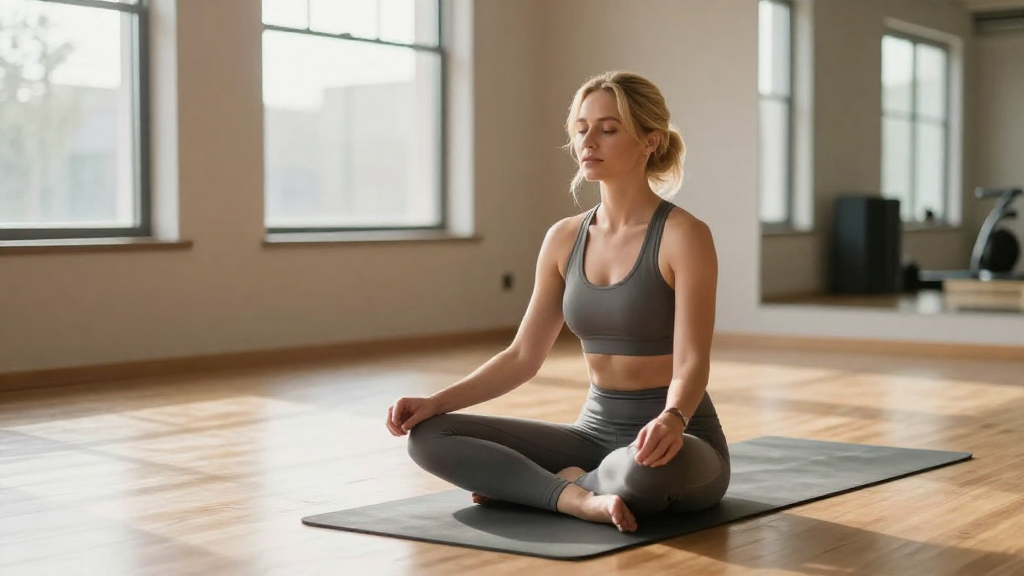
Breathing patterns play a vital role in fitness and overall health.
Whether you are an athlete or a casual gym-goer, understanding how your breathing impacts your performance can elevate your fitness game.
What Are Breathing Patterns?
Breathing patterns refer to the way we inhale and exhale during various activities.
These patterns can vary significantly based on the intensity of physical exertion, emotional state, and even posture.
Common breathing patterns include:
- Diaphragmatic Breathing: This involves deep inhalation where the diaphragm is engaged, leading to greater oxygen intake.
- Chest Breathing: This shallow form of breathing primarily utilizes the chest and is often seen under stress.
- Nasal versus Mouth Breathing: Breathing through the nose can offer benefits like better oxygen filtration and humidity, while mouth breathing generally allows for quicker air intake.
Understanding these breathing patterns is crucial when considering their impact on fitness.
How Do Breathing Patterns Affect Fitness?
Breathing patterns influence fitness in various ways, including:
- Oxygen Delivery:
Proper breathing techniques enhance oxygen delivery to muscles.
When you engage in deeper, diaphragmatic breathing, you allow more oxygen to reach your bloodstream, which is essential during physical exertion.
- Endurance and Stamina:
Athletes often use controlled breathing techniques to improve their endurance.
It helps in managing fatigue and prolonging energy levels during intense workouts.
- Relaxation and Focus:
Controlled breathing can lower stress levels.
This can enhance your mental focus, leading to better performance during workouts.
- Posture and Core Stability:
Breathing patterns can influence your posture.
A strong diaphragm contributes to core stability, which is essential during various fitness activities.
- Recovery:
After intensive workouts, proper breathing helps in the recovery process by lowering heart rate and aiding muscle relaxation.
In summary, effective fitness and breathing patterns directly correlate with the quality of your physical performance and overall health.
Are All Breathing Techniques Beneficial?
While some breathing techniques boost performance, others may hinder it.
Here are some effective breathing techniques for fitness:
-
Box Breathing: A method where you inhale for four counts, hold for four counts, exhale for four counts, and hold again for four counts.
This practice is excellent for relaxation and focus. -
Pursed-Lip Breathing: Ideal for situations requiring controlled airflow.
Inhale through the nose and exhale slowly through pursed lips. This technique helps release trapped air in the lungs and increases oxygen intake.
- Counted Breathing: Matching your breath with your movements ensures adequate oxygen supply, especially in endurance training.
However, avoid rapid and shallow breathing during workouts.
It can lead to dizziness and diminished performance.
What Role Does Breath Control Play in Different Types of Exercise?
Different types of exercises demand varying breathing patterns:
- Aerobic Exercise:
Activities like running or cycling require rhythmic breathing.
Inhale through the nose and exhale through the mouth, matching your breath with your pace.
- Strength Training:
During weight lifting, exhale during the exertion phase (e.g., lifting) and inhale during the relaxation phase (lowering).
Controlled breath helps maintain core stability.
- Yoga and Pilates:
These exercises emphasize breath.
Inhales and exhales are often synchronized with movement, enhancing focus and relaxation.
- High-Intensity Interval Training (HIIT):
In HIIT, rapid breathing is common, but emphasizing slow, deep breaths between sets can help maintain edge.
Knowing how to adjust your fitness and breathing patterns according to the type of exercise being performed amplifies workout efficiency.
Can Breathing Exercises Enhance Fitness?
Absolutely! Incorporating specific breathing exercises can improve your overall fitness.
Some effective breathing exercises include:
- Deep Breathing:
Find a quiet space, inhale deeply through your nose, hold for a few seconds, and exhale slowly through your mouth.
This reduces stress and improves oxygen flow.
- Diaphragmatic Breathing:
Lie on your back with your knees elevated. Place one hand on your chest and the other on your abdomen.
Inhale deeply through the nose, allowing your stomach to rise more than your chest.
- 4-7-8 Technique:
Inhale for 4 counts, hold for 7 counts, and exhale for 8 counts.
This breathing technique can lower anxiety levels and help you focus.
Regular practice of these exercises can improve lung capacity, stamina, and relaxation.
What Are the Benefits of Mindful Breathing in Fitness?
Mindful breathing connects your mind and body, bringing awareness to your physical actions.
Benefits of mindful breathing in fitness include:
-
Enhanced Concentration:
Focusing on your breath redirects attention away from discomfort or fatigue. -
Increased Mind-Body Connection:
Helps synchronize physical movements with mental focus, leading to improved athletic performance. -
Better Stress Management:
Mindful breathing activates the parasympathetic nervous system, which can counter stress responses.
Incorporating mindfulness into your fitness routine allows for a more holistic approach to working out.
How Can You Assess Your Breathing Patterns?
Monitoring your breathing patterns is essential for optimizing fitness.
Look for signs such as:
- Difficulty catching your breath during exercise
- Frequent feelings of anxiety or dizziness
- Reduced energy levels post-workout
If these symptoms are present, it may indicate poor breathing habits.
To assess your breathing patterns, try:
-
The Three-Minute Breathing Space: Set a timer for three minutes.
Focus solely on your breath, observing each inhalation and exhalation without trying to change it. -
Breath Counting: Count your breaths during a set period.
A lower count may indicate deeper, more relaxed breathing. -
Fitness Monitor: Many wearables can track heart rate and oxygen saturation, giving insights into your breathing efficiency during exercise.
Conclusion: The Importance of Fitness and Breathing Patterns
In summary, the relationship between fitness and breathing patterns is profound.
Developing an awareness of how you breathe during exercise can significantly influence your fitness outcomes.
By incorporating effective breathing techniques, you can enhance performance, increase endurance, and promote recovery.
Next Steps:
- Practice various breathing techniques during your workouts.
- Reflect on how these patterns affect your performance.
- Stay consistent with mindful breathing to optimize your fitness journey.
Improving your fitness game starts with breath. Embrace it!