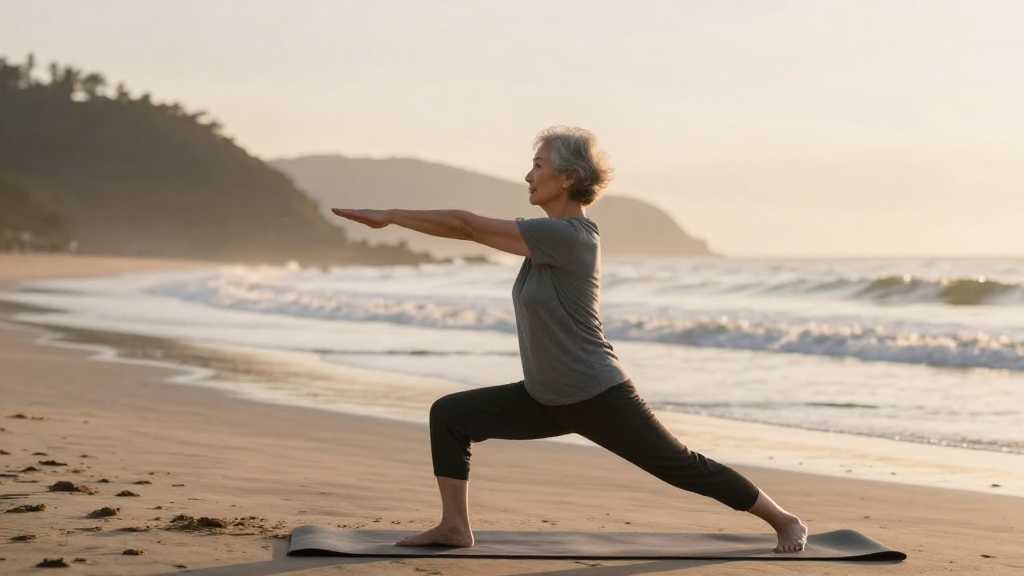
As we journey through life, the relationship between fitness and aging becomes increasingly important.
In this article, we will explore how fitness can significantly contribute to aging gracefully, enhancing both physical and mental well-being.
What is the Connection Between Fitness and Aging?
Fitness and aging are closely linked, with numerous studies indicating that regular physical activity can slow down the aging process.
Engaging in fitness activities helps maintain:
- Muscle mass
- Bone density
- Flexibility
- Cardiovascular health
These elements are essential for retaining independence and vitality as we age.
How Does Fitness Improve Physical Health as We Age?
As we age, our bodies undergo various changes that can impact our physical health.
Regular fitness routines can help mitigate these effects by:
-
Strengthening Muscles:
– As natural muscle mass declines with age, maintaining strength through weight-bearing exercises is essential.
– Resistance training aids in preserving and building muscle mass. -
Enhancing Joint Flexibility:
– Regular stretching routines can improve your joint’s range of motion.
– Flexibility exercises, such as yoga or Pilates, can alleviate stiffness and reduce the risk of injury. -
Boosting Cardiovascular Health:
– Aerobic exercises like walking, swimming, or biking promote heart health.
– Improved cardiovascular fitness lowers the risk of heart disease and enhances overall endurance. -
Supporting Bone Health:
– Weight-bearing exercises strengthen bones and help prevent osteoporosis.
– Engaging in activities like dancing or hiking can make fitness enjoyable while also benefiting bone health.
By integrating these elements into a regular fitness routine, individuals can witness considerable improvements in their physical health.
What Role Does Fitness Play in Mental Health During Aging?
The effects of fitness extend beyond the physical realm, significantly impacting mental health as well.
Here are some ways that fitness can improve mental well-being for the aging population:
- Reducing Stress:
- Exercise increases the production of endorphins, the body’s natural mood lifters.
-
Regular workouts can serve as an excellent outlet for stress relief.
-
Combating Depression and Anxiety:
- Physical activity has been shown to decrease symptoms of depression and anxiety.
-
Engaging in group fitness classes fosters social connections, further enhancing emotional stability.
-
Improving Cognitive Function:
- Studies indicate that regular exercise can stimulate the growth of new brain cells and help maintain cognitive function.
- Activities that require coordination and balance, such as dance or martial arts, are particularly beneficial for brain health.
Fitness not only helps keep the body healthy but also fortifies the mind against the declines often associated with aging.
Can Fitness Boost Longevity?
Another essential aspect of fitness and aging is its impact on longevity.
Regular physical activity is linked to a longer, healthier life.
Here’s how fitness contributes to longevity:
- Reducing Risk of Chronic Diseases:
-
Regular exercise decreases the risk of diseases such as Type 2 diabetes, hypertension, and certain types of cancer.
-
Improving Metabolism:
-
A more active lifestyle leads to a healthier metabolism, which can help prevent obesity-related conditions.
-
Enhancing Immune Function:
- Regular physical activity can boost immunity, making one less susceptible to illnesses.
What Types of Fitness Activities Are Best as We Age?
When considering fitness and aging, it’s crucial to choose activities that cater to individual needs and abilities.
Here are some recommended fitness activities for older adults:
-
Walking:
– One of the simplest and most effective forms of exercise.
– Walking is low-impact and can be done almost anywhere. -
Strength Training:
– Using resistance bands or light weights helps to build and maintain muscle mass.
– Training 2-3 times a week is recommended. -
Yoga and Stretching:
– Enhance flexibility and balance while calming the mind.
– Classes are widely available, both in-person and online. -
Swimming:
– A great low-impact option that works all major muscle groups.
– Water also provides support, making it easier on joints. -
Dancing:
– A fun activity that combines movement with social interaction.
– Improves coordination and cardiovascular health.
Incorporating a mix of these activities into a weekly routine can yield maximum benefits, ensuring a healthy lifestyle as one ages.
How Can You Stay Motivated to Maintain Fitness as You Age?
Staying motivated in a fitness regimen can be challenging, especially as one ages.
Here are some practical tips to maintain motivation:
- Set Achievable Goals:
-
Create SMART (Specific, Measurable, Achievable, Relevant, Time-bound) goals to help track progress.
-
Find a Workout Buddy:
-
Exercising with friends or family can make workouts enjoyable and foster accountability.
-
Try New Activities:
-
Keep things fresh by regularly trying new classes or fitness trends.
-
Listen to Your Body:
-
Understand and respect your physical limits, modifying workouts as necessary.
-
Celebrate Milestones:
- Recognize achievements, no matter how small they may seem.
Each step towards maintaining fitness enhances your quality of life and contributes to aging gracefully.
Final Thoughts: How Does Fitness Help With Aging Gracefully?
The relationship between fitness and aging is profound, touching on both physical and mental well-being.
By incorporating regular exercise into your routine, you can expect to see:
- Improved physical health
- Enhanced mental clarity and emotional stability
- Lower risk of chronic diseases
- Extended longevity and quality of life
The journey to aging gracefully starts with a commitment to fitness.
Start small, stay consistent, and enjoy the myriad of benefits that fitness has to offer as you age.
Embrace the positive changes that come with regular physical activity and experience life to its fullest at every age.