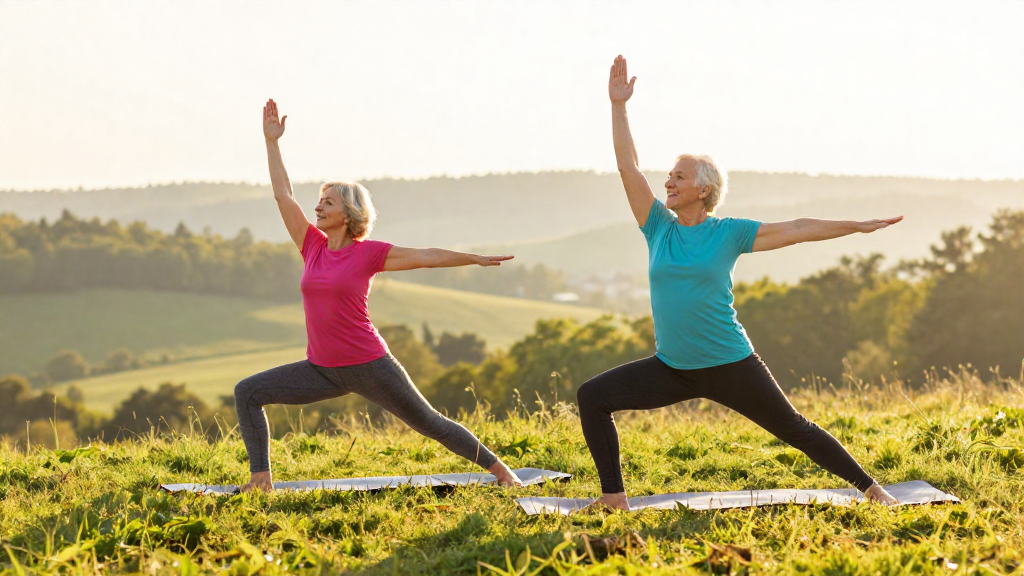
Fitness and active aging are inextricably linked, as physical activity plays a crucial role in maintaining health and vitality as we grow older.
Implementing a fitness routine can significantly enhance the quality of life for seniors, making it essential to understand how fitness supports active aging.
What Is Active Aging?
Active aging refers to the process of optimizing opportunities for health, participation, and security to enhance quality of life as people age.
This concept encourages individuals to be proactive about their health and well-being, engaging in physical, mental, and social activities.
Active aging is not just about living longer; it’s about living better.
Why Is Fitness Important for Older Adults?
Engaging in regular fitness activities can lead to numerous benefits, including:
-
Improved Physical Health: Exercise strengthens the cardiovascular system, improves muscle tone, and enhances flexibility and balance.
-
Mental Well-being: Physical activity is linked to improved mental health, reducing symptoms of depression and anxiety.
-
Enhanced Mobility: Regular fitness helps maintain mobility, enabling individuals to perform day-to-day activities independently.
-
Social Connections: Group fitness classes foster social integration and community, combating loneliness.
How Does Exercise Impact Longevity?
Studies show that fitness and active aging contribute to a longer, healthier life. Regular exercise can lower the risk of chronic diseases such as:
-
Heart disease
-
Diabetes
-
Obesity
-
Osteoporosis
Being active triggers numerous physiological responses in the body that promote longevity, including:
-
Reduction of inflammation
-
Improved insulin sensitivity
-
Enhanced immune function
What Types of Fitness Are Best for Active Aging?
Not all exercises are created equal when it comes to active aging. Here are some fitness modalities that are particularly beneficial:
-
Aerobic Exercises: Activities like walking, swimming, cycling, or dancing improve cardiovascular health.
-
Strength Training: Lifting weights or using resistance bands can enhance muscle mass and bone density.
-
Flexibility and Balance Work: Exercises like yoga or tai chi improve flexibility and reduce fall risks.
-
Mind-Body Activities: Pilates and meditation foster mental well-being while enhancing physical fitness.
How Can Older Adults Get Started with Fitness?
Getting started with a fitness program can seem daunting, but it’s simpler than you might think. Here are some tips for older adults looking to enhance their routines for active aging:
-
Consult a Healthcare Provider: Before beginning any exercise program, seniors should consult with their healthcare provider for personalized advice.
-
Start Slowly: It’s important to start with low-impact exercises, gradually increasing intensity over time.
-
Set Realistic Goals: Focus on achievable targets, whether it’s completing a certain number of steps per day or participating in a weekly yoga class.
-
Stay Consistent: Regularity is key to reaping the benefits of exercise. Aim for at least 150 minutes of moderate aerobic activity each week.
What Should an Effective Fitness Plan Include?
To promote active aging through fitness, a well-rounded plan should incorporate various types of exercises. Here’s a sample plan to consider:
-
Cardiovascular Training: 20-30 minutes, 3-5 times a week.
-
Strength Training: 20-30 minutes, 2-3 times a week targeting all major muscle groups.
-
Flexibility Training: 10-15 minutes after each workout to enhance flexibility.
-
Balance Exercises: Integrated into strength training sessions or done separately for 10-15 minutes.
How Does Nutrition Fit into Fitness and Active Aging?
Nutrition plays an essential role in supporting fitness and active aging. A balanced diet, rich in essential nutrients, can maximize the benefits of physical activity. Consider incorporating the following:
-
Lean Proteins: Support muscle maintenance and repair.
-
Whole Grains: Provide energy for workouts.
-
Fruits and Vegetables: Rich in antioxidants, vitamins, and minerals.
-
Healthy Fats: Ensure overall brain health and energy level maintenance.
Hydration is also crucial. Staying well-hydrated helps maintain physical performance and cognitive function.
What are the Psychological Benefits of Fitness for Seniors?
Besides the physical advantages, fitness also offers vital psychological benefits for older adults. These include:
-
Improved Mood: Endorphins released during exercise can enhance happiness and reduce feelings of stress.
-
Cognitive Health: Regular physical activity has been linked to improved memory and reduced risk of cognitive decline.
-
Sense of Achievement: Completing fitness goals contributes to greater self-worth and empowerment.
Why is Community Important in Fitness and Active Aging?
Staying socially engaged through community activities can amplify the benefits of fitness. Here’s how:
-
Motivation: Group classes or workout buddies can provide accountability and encouragement.
-
Shared Experiences: Practicing fitness together fosters friendships and builds a sense of community.
-
Event Participation: Engaging in local events, such as charity walks or fitness challenges, can provide a sense of belonging.
How Can Technology Support Fitness and Active Aging?
In today’s digital age, technology can play a supportive role in encouraging fitness. Consider these tools:
-
Fitness Trackers: Monitor steps, exercise duration, and heart rate.
-
Apps: Available for guided workouts tailored for older adults.
-
Virtual Classes: Offer flexibility and enable participation from home.
Conclusion: Embrace Fitness for a Fulfilling Life
In summary, fitness and active aging are fundamental to experiencing a healthy, fulfilling life in later years.
As we age, maintaining a regular fitness regimen can lead to numerous benefits, including improved physical health, enhanced mental well-being, and greater social connections.
By engaging with appropriate exercise types, prioritizing nutrition, and fostering community, individuals can significantly support their journey toward active aging.
With the right mindset and resources, fitness can be a rewarding part of your aging experience. Embrace it and discover the advantages it brings to your life!