Icy trails demand more than ordinary tread. The right footwear combines dependable traction with weather protection, a secure fit, and enough comfort for the distance you plan to cover.
This roundup compares dedicated winter trail shoes, waterproof runners, and removable cleats so you can choose the right balance of grip, stability, and versatility for your conditions.
Best 10 Trail Running Shoes for Ice Picks for 2026
Best Studded Waterproof Shoe

- 13 dynamic studs target ice and wet-surface traction
- Waterproof GORE-TEX outer membrane
- Rocker midsole supports a smooth stride
Best For: Waterproof winter trail running
Best Removable Ice Cleats
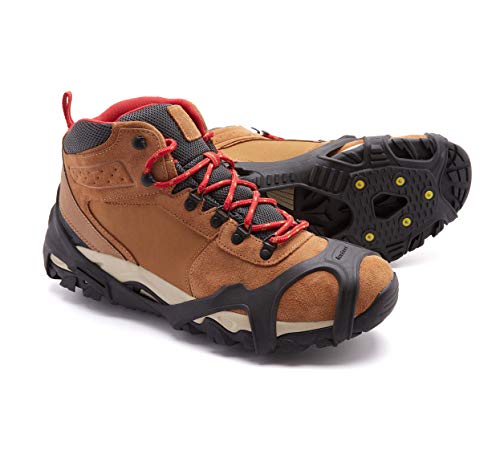
- Nine tungsten carbide crampons
- Secure StayON toe cap design
- Reflective heel for low-light visibility
Best For: Adding ice traction to existing shoes
Best Customizable Spike Kit
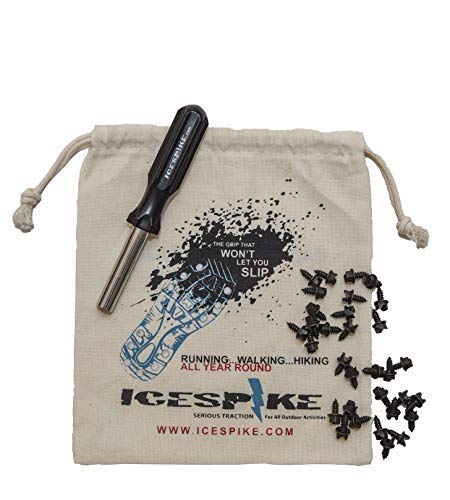
- Includes 32 hardened steel spikes
- No straps, chains, or coils
- Installation tool included
Best For: Customizing compatible running or outdoor footwear
Best Waterproof Lugged Trail Shoe

- Waterproof and breathable GORE-TEX membrane
- Aggressive Contagrip TA lugs
- Secure Quicklace and Sensifit fit
Best For: Wet, muddy, snowy, and mixed-terrain trails
Everyday Ice Traction

- 360-degree steel-coil grip
- Easy-on thermoplastic sling
- Built for snow, ice, and mixed terrain
Best For: Everyday winter walking
Waterproof Trail Performance

- Waterproof GORE-TEX construction
- Vibram Megagrip outsole
- Designed for trail running and hiking
Best For: Wet trail conditions without dedicated spikes
Winter Running Grip

- Carbide spikes plus steel coils
- 360-degree traction for running
- Reflective heel and side straps
Best For: Running on snow and ice
Winter Mountain Pick
Arc'teryx Norvan 4 Nivalis GTX

- Waterproof winter trail shoe
- Protective technical-mountain design
- Neutral, low-top construction
Best For: Wet winter mountain trails and technical running
Traction Add-On
JSHANMEI Ice Cleats with Straps

- 24 stainless steel traction spikes
- Cold-resistant stretch TPE body
- Slip-on design with securing strap
Best For: Adding removable grip for icy winter surfaces
Fast Technical Runner
Arc'teryx Sylan GTX Men's Shoe

- Waterproof GORE-TEX liner
- Vibram Megagrip outsole with aggressive lugs
- Rocker midsole for forward motion
Best For: Fast running on wet, steep technical trails
Best Studded Waterproof Shoe – Icebug Arcus2 BUGrip GTX
If you need trail running shoes for ice, the Icebug Arcus2 BUGrip GTX combines a waterproof GORE-TEX membrane with a carbide-studded outsole. Its 13 dynamic studs are designed for traction on wet surfaces, including ice and asphalt, while the rocker midsole supports a smoother stride.
Best For: Runners seeking a waterproof, studded trail shoe for icy and wet conditions.
Pros:
- BUGrip outsole uses 13 dynamic studs for traction on ice and wet surfaces.
- GORE-TEX construction is waterproof while allowing perspiration to escape.
- Rocker midsole helps reduce forefoot and heel pressure and supports forward momentum.
- Uses recycled materials and is made by a Certified B Corp.
Cons:
- The studded design may be more specialized than a standard trail shoe.
- At 2.3 pounds, it may feel substantial for runners prioritizing minimal weight.
The Arcus2 is a focused option for winter trail runners who want built-in ice traction instead of a removable accessory. Its waterproofing and cushioning make it particularly practical for longer outings in wet, cold conditions.
Best Removable Ice Cleats – ICETRAX V3 Tungsten Crampons
For runners who already own comfortable footwear, the ICETRAX V3 offers a removable way to add ice traction. These trail running shoes for ice accessories slip over most shoes and boots, using nine tungsten carbide crampons, a snow tread system, and a secure toe cap.
Best For: Runners who want portable ice protection that can be used with multiple pairs of footwear.
Pros:
- Nine tungsten carbide crampons are designed for ice and snow traction.
- StayON toe cap helps keep the cleats positioned during use.
- Slip-on design installs quickly and stores compactly.
- Reflective heel panels add visibility in low-light conditions.
Cons:
- These are traction accessories, not trail running shoes themselves.
- Fit is listed for men’s sizes 9.5–13 and women’s 11+.
- The manufacturer warranty is limited to 30 days from purchase.
The ICETRAX V3 makes sense when versatility matters more than an integrated shoe solution. Its secure fit, tungsten spikes, and reflective heel are useful for winter runs on slippery routes, provided your footwear falls within the listed size range.
Best Customizable Spike Kit – ICESPIKE Serious Traction
ICESPIKE™ Serious Traction for Any Outdoor Activity! No Straps, Chains or Coils.
Check Price On AmazonThe ICESPIKE kit is a customizable alternative to dedicated trail running shoes for ice. Instead of using straps, chains, or coils, it lets you install 32 case-hardened steel spikes directly on running shoes, hiking boots, work boots, or waders with the included tool.
Best For: Outdoor users who want to add permanent-style spikes to compatible footwear for varied rugged surfaces.
Pros:
- Includes 32 case-hardened steel spikes and an installation tool.
- Designed without bulky straps, chains, or coils.
- Compatible with running shoes, walking shoes, boots, and waders.
- Intended for hiking, running, and other outdoor activities.
Cons:
- Installation is required before use.
- It is a spike kit rather than a complete trail running shoe.
- One-size design may require careful placement for a suitable fit.
ICESPIKE suits runners who prefer to configure their own footwear rather than buy a dedicated studded shoe. The broad compatibility and included installation tool add flexibility, but the setup process makes it less convenient than slip-on cleats.
Best Waterproof Lugged Trail Shoe – Salomon Speedcross GTX
The Salomon Speedcross GTX is a waterproof trail shoe for runners who encounter mixed terrain, wet ground, and soft snow. Its aggressive Contagrip TA lugs, GORE-TEX membrane, protective upper, and secure Quicklace fit provide practical support for demanding outdoor routes.
Best For: Runners wanting a cushioned, waterproof trail shoe for muddy, wet, loose, or snowy terrain.
Pros:
- GORE-TEX construction is waterproof, windproof, and breathable.
- Aggressive Contagrip TA lugs grip mud, wet ground, soft snow, and loose gravel.
- Anti-debris mesh and ripstop fabric help protect against trail debris and abrasion.
- Quicklace and Sensifit construction provide a precise, foot-hugging fit.
Cons:
- The sole is non-cleated, so it lacks dedicated metal studs for hard ice.
- Its aggressive traction profile is designed for trails and mixed terrain rather than everyday pavement.
- This model is listed as a women’s shoe, with fit depending on the selected size.
The Speedcross GTX is a strong choice for wet and snowy trails, especially where mud and loose surfaces are as common as ice. For consistently hard, icy routes, a studded shoe or removable cleat may provide more specialized traction.
Everyday Ice Traction – Yaktrax Walk Cleats
For shoppers comparing trail running shoes for ice, the Yaktrax Walk is a practical slip-on option for adding traction to compatible footwear. Its steel coils provide multi-directional grip across snow, ice, and rocky terrain without sharp edges that could damage shoes or surfaces.
Best For: Walking and general winter use on snow- and ice-covered surfaces.
Pros:
- 360-degree steel-coil traction supports forward, backward, and lateral movement.
- Stretchable thermoplastic rubber sling fits over a variety of footwear shapes and sizes.
- Heel tab makes installation and removal easier.
- Rubber remains durable in cold temperatures and is recyclable.
Cons:
- Designed as walking cleats rather than dedicated running traction.
- Steel coils may offer less aggressive bite than carbide spikes on hard ice.
- Fit depends on selecting the appropriate size for your footwear.
The Yaktrax Walk is best viewed as a versatile everyday traction aid, not a replacement for ice-specific running cleats. It suits users who want easy-on coverage for routine winter walking and mixed terrain.
Waterproof Trail Performance – ALTRA Timp 6 GTX Trail Shoe
Among trail running shoes for ice, the ALTRA Men’s TIMP 6 GTX offers a waterproof trail-running build with Vibram Megagrip rubber. It is suited to wet outdoor conditions, though the supplied details do not indicate integrated metal spikes or dedicated ice cleats.
Best For: Trail running and hiking in wet conditions where waterproofing and rubber grip are priorities.
Pros:
- GORE-TEX technology provides waterproof, windproof, and breathable protection.
- Vibram Megagrip rubber is designed for grip on wet and dry surfaces.
- Low-top athletic design is made for trail running and hiking.
- Received the APMA Seal of Acceptance for promoting good foot health.
Cons:
- No supplied information indicates carbide spikes, coils, or other dedicated ice traction.
- Waterproof construction may be more protection than needed in dry conditions.
- Neutral pronation design may not suit runners seeking corrective support.
The Timp 6 GTX is a strong choice when winter trails are wet and demanding waterproof coverage, but runners facing polished ice may need a separate traction solution. Its main strengths are weather protection and adaptable Vibram rubber.
Winter Running Grip – Yaktrax Run Running Cleats
For runners specifically seeking trail running shoes for ice, the Yaktrax Run adds purpose-built traction over running shoes. Its combination of carbide-steel spikes and stainless-steel coils is designed for winter training on snow and ice, with reflective elements for added visibility.
Best For: Running on snow and ice when you want removable, all-direction traction over your existing running shoes.
Pros:
- Combines 3 mm carbide-steel spikes with 1.4 mm stainless-steel coils.
- Provides 360-degree traction for stability in multiple directions.
- Toe and over-foot straps help secure the device to running shoes.
- Tested for resistance to breakage down to -41°F and available in multiple sizes.
Cons:
- Must be fitted over compatible running shoes rather than worn as a standalone shoe.
- Traction cleats may be unnecessary on bare pavement or ordinary dry trails.
- Correct sizing is important for a secure fit.
The Yaktrax Run is the most directly targeted option here for winter running. Its spike-and-coil combination and running-specific frame make it a better match for icy training than general walking cleats or a waterproof trail shoe alone.
Winter Mountain Pick – Arc'teryx Norvan 4 Nivalis GTX
For trail running shoes for ice, the Arc’teryx Norvan 4 Nivalis GTX stands out as a winter-focused option for technical mountain routes. It combines a waterproof build with protective construction and a trail-oriented rubber outsole for fall and winter outings.
Best For: Winter trail running and technical mountain activities in wet conditions.
Pros:
- Waterproof design suited to wet winter conditions.
- Built for technical mountain activities with a durable, protective focus.
- Trail-running design supports freedom of movement.
Cons:
- The supplied details do not specify built-in ice spikes or crampons.
- Neutral pronation may not suit runners seeking corrective support.
This is a strong choice when waterproofing and protection matter more than dedicated metal traction. On genuinely icy surfaces, runners may need separate traction equipment.
Traction Add-On – JSHANMEI Ice Cleats with Straps
These slip-on cleats are a practical way to add traction when shopping for trail running shoes for ice. Their 24 multi-directional stainless steel spikes, stretchable rubber body, and fastening strap are designed for icy roads, snowy paths, and other slippery surfaces.
Best For: Adding removable traction to compatible shoes or boots for winter walking and outdoor activities.
Pros:
- Twenty-four multi-directional stainless steel spikes provide aggressive traction.
- Cold-resistant TPE remains flexible down to -45°C according to the supplied product notes.
- Slip-on design and included strap support quick application and a secure fit.
- Lightweight, portable design includes a carry bag.
Cons:
- These are overshoe cleats rather than trail running shoes.
- The listed large size fits 7.5–9.5 men’s or 9–11 women’s footwear.
- Compatibility depends on the shape and size of the underlying shoe.
For runners who already own suitable footwear, these cleats offer a flexible way to increase grip on ice. Check sizing carefully, and remember that added spikes can change the feel and flexibility of a running shoe.
Fast Technical Runner – Arc'teryx Sylan GTX Men's Shoe
For trail running shoes for ice, the Arc’teryx Sylan GTX is designed for fast mountain running in wet and rugged conditions. Its waterproof GORE-TEX liner, Vibram Megagrip outsole, rocker midsole, and aggressive lugs prioritize weather protection, forward motion, and trail grip.
Best For: Fast technical trail running across wet, steep, and rugged terrain.
Pros:
- Waterproof and breathable GORE-TEX construction helps block moisture and debris.
- Vibram Megagrip outsole and aggressive lugs are designed for all-weather trail grip.
- Rocker midsole encourages forward motion, while the dual-density midsole adds support.
- Lightweight 284 g design includes a roomy toe box and moderate EVA cushioning.
Cons:
- The supplied details do not indicate integrated metal spikes for hard ice.
- Moderate cushioning may not meet the preference of runners seeking maximum padding.
- Neutral pronation may not provide correction for overpronation.
This shoe is the more performance-oriented pick for wet technical trails, especially when speed and a secure fit are priorities. For polished ice, consider pairing it with compatible traction rather than relying on the outsole alone.
How We Picked the Best Trail Running Shoes for Ice
We evaluated these options by focusing on the factors that matter most on frozen paths: traction, weather resistance, fit, stability, ease of use, and intended activity. The selection includes purpose-built studded shoes as well as removable traction devices that fit over compatible footwear.
Carbide or tungsten studs generally offer the most reliable bite on hard ice, while rubber cleats and flexible grip systems can be more convenient for mixed surfaces. Waterproof membranes such as GORE-TEX are useful in slush and snow, but they may feel warmer than non-insulated shoes during high-output runs.
Quick Comparison
- Best for dedicated icy-trail running: Icebug Arcus2 BUGrip GTX and Arc’teryx Norvan 4 Nivalis GTX.
- Best for waterproof trail versatility: Salomon Speedcross GTX, ALTRA Timp 6 GTX, and Arc’teryx Sylan GTX.
- Best removable traction for running: Yaktrax Run.
- Best removable traction for walking and general use: ICETRAX V3, Yaktrax Walk, ICESPIKE, and strap-on ice cleats.
Key Buying Factors for Trail Running Shoes for Ice
Traction Type
Fixed metal studs are the strongest choice for frequent running on hard-packed ice. Removable cleats are more flexible if your route alternates between pavement, snow, and ice, but they can shift or need to be removed on delicate indoor or smooth surfaces.
Waterproofing and Warmth
Choose a waterproof upper for wet snow, slush, and puddles. Remember that waterproof trail shoes do not automatically provide insulation, so winter socks and room for comfortable layering may still be necessary.
Fit and Stability
A secure heel and snug midfoot help prevent slipping inside the shoe or cleat. Look for enough toe room to avoid compression, especially on long outings, while avoiding excess volume that can reduce control.
Terrain and Pace
Deep lugs and aggressive running shoes are useful on snowy trails, whereas compact traction devices may be preferable for urban paths. Check the product’s surface guidance before using metal spikes on exposed rock, floors, or pavement.
Who Should Buy Which Trail Running Shoes for Ice?
Frequent winter trail runners should prioritize a purpose-built studded shoe with a waterproof upper, such as the Icebug option. Runners who want one shoe for wet trails across multiple seasons may prefer a waterproof Salomon, ALTRA, or Arc’teryx model, then add cleats when conditions worsen.
For occasional walks, commuting, or mixed winter errands, removable products such as Yaktrax Walk, ICETRAX V3, or strap-on crampons are usually more practical and economical. Choose a running-specific cleat when maintaining a natural stride and low bulk matters most. Before heading out, verify sizing, inspect the traction elements, and test the setup at low speed on your first outing.