Finding the best running shoes for capsulitis means prioritizing comfort at the forefoot without overlooking stability, fit, or the demands of your usual routes. Pressure under the metatarsal area can make otherwise suitable shoes feel restrictive, especially when the toe box is narrow or the cushioning is too firm.
This roundup compares 10 running shoes with different strengths, including plush cushioning, structured support, trail traction, and roomier toe boxes. Use the buying guide below to narrow the choices based on your foot shape, running style, and comfort needs.
Best 10 Running Shoes for Capsulitis Picks for 2026
Balanced Road Comfort
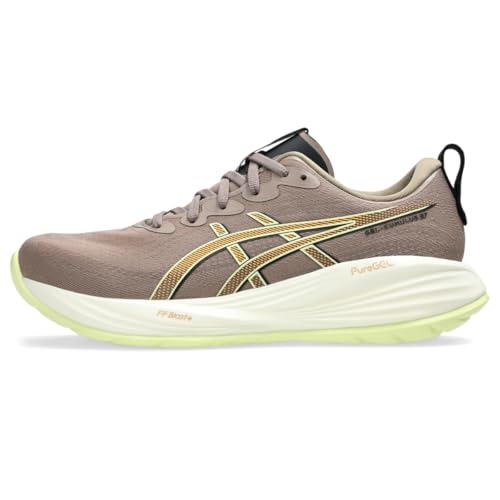
- FF BLAST PLUS and PureGEL cushioning
- Breathable engineered mesh upper
- Neutral fit for road and treadmill running
Best For: Neutral runners wanting cushioned everyday miles
Maximum Cushioning Pick
Skechers Women's Max Cushioning Endeavour

- Maximum cushioning with ULTRA LIGHT foam
- Air-Cooled Goga Mat insole
- Rocker design for smooth transitions
Best For: Women prioritizing cushioned running and walking comfort
Light Stability Option

- Adaptive 3D GUIDANCE stability
- FF BLAST and rearfoot PureGEL cushioning
- Breathable mesh with moisture-managing sockliner
Best For: Women with overpronation wanting moderate cushioned support
Best for Easy Setup
Brooks Women's Adrenaline GTS 25

- GuideRails support controls excess movement
- Soft DNA LOFT v3 cushioning
- Certified diabetic shoe with APMA Seal
Best For: Runners and walkers seeking structured support
Breathable Neutral Option

- Softer PureGEL cushioning
- AMPLIFOAM PLUS midsole comfort
- Breathable engineered mesh upper
Best For: Neutral road and treadmill runners
Best for Comfort

- High-stack DNA LOFT v3 cushioning
- Wide base helps reduce underfoot pressure
- GlideRoll Rocker eases transitions
Best For: Runners and walkers wanting maximum cushioning
Natural-Toe-Box Pick

- Wide anatomical toe box supports natural toe splay
- Zero-drop platform promotes a low-to-ground feel
- Breathable mesh with moderate EVA cushioning
Best For: Toe-room-focused road running, treadmill use, and walking
Maximum-Cushion Trail Pick

- Rearfoot GEL helps absorb shock
- AMPLIFOAM PLUS provides a softer ride
- Molded rubber outsole supports traction
Best For: Neutral runners seeking maximum cushioning for athletic use
Everyday Cushioning Pick

- Fresh Foam delivers lightweight, highly cushioned comfort
- Breathable mesh suits daily running and active wear
- Approximately 10 mm drop offers a familiar profile
Best For: Lightweight everyday road running and all-day wear
Balanced Road Comfort – ASICS Men's Gel-Cumulus 27
The ASICS Gel-Cumulus 27 is a practical option among running shoes for capsulitis when you want moderate-to-high cushioning for road or treadmill miles. Its FF BLAST PLUS foam, PureGEL cushioning, and breathable engineered mesh upper are designed to combine impact absorption, softer landings, and everyday comfort.
Best For: Neutral runners seeking cushioned road or treadmill shoes with a breathable upper and smooth stride.
Pros:
- FF BLAST PLUS cushioning offers lightweight impact absorption and responsive rebound.
- PureGEL technology is designed for softer landings.
- Engineered mesh supports breathability and comfort.
- FLUIDRIDE outsole helps create smoother strides.
Cons:
- Neutral design does not provide dedicated overpronation correction.
- Cushioning is moderate to high rather than maximum.
- Not water resistant.
For runners who prefer a neutral platform, the Gel-Cumulus 27 offers a balanced mix of cushioning, breathability, and road-friendly traction. Consider whether its neutral support matches your gait and whether moderate-to-high cushioning meets your comfort needs.
Maximum Cushioning Pick – Skechers Women's Max Cushioning Endeavour
Skechers Women's Max Cushioning Endeavour Canova Sneaker, Blue/Orange, 8.5 Wide
Check Price On AmazonThe Skechers Max Cushioning Endeavour stands out among running shoes for capsulitis for its maximum cushioning and rocker-style design. The ULTRA LIGHT midsole, Air-Cooled Goga Mat insole, and Natural Rocker Technology are intended to support cushioned comfort and smooth heel-to-toe transitions for running or walking.
Best For: Women seeking maximum cushioning for road, treadmill, running, or walking use, especially with an underpronation profile.
Pros:
- Maximum cushioning is designed for exceptional comfort and support.
- Air-Cooled Goga Mat insole provides breathable, high-rebound cushioning.
- Natural Rocker Technology promotes smooth heel-to-toe transitions.
- Machine washable construction is convenient for maintenance.
Cons:
- Listed for underpronation rather than overpronation correction.
- Not water resistant.
- Machine washing requires air drying.
This model is a strong comfort-focused choice if you value abundant cushioning and a rocker transition more than structured stability. Its listed underpronation profile makes gait compatibility important before buying.
Supportive Stability Choice – Brooks Men's Adrenaline GTS 25
The Brooks Adrenaline GTS 25 is a support-oriented option among running shoes for capsulitis, combining GuideRails holistic support with soft DNA LOFT v3 cushioning. It is designed for runners and walkers who want a smooth road or treadmill ride while managing excess movement associated with overpronation.
Best For: Runners and walkers seeking maximum cushioning, overpronation support, and smooth transitions.
Pros:
- GuideRails helps keep excess movement in check while supporting a natural motion path.
- Nitrogen-infused DNA LOFT v3 cushioning is designed for lightweight softness.
- Engineered mesh upper and flat-knit collar provide structure and flexibility.
- Certified PDAC A5500 diabetic shoe and APMA Seal of Acceptance.
Cons:
- Supportive overpronation design may not suit neutral runners.
- Not water resistant.
- Road and treadmill use may limit versatility on other surfaces.
The Adrenaline GTS 25 is the most stability-focused selection here, with generous cushioning and explicit support features. It is worth considering when overpronation control and a supportive, smooth ride are priorities.
Light Stability Option – ASICS Women's GT-1000 14
The ASICS GT-1000 14 offers a lighter stability approach among running shoes for capsulitis, with a 3D GUIDANCE SYSTEM for adaptive support and FF BLAST cushioning for a responsive ride. Its breathable mesh upper, rearfoot PureGEL, and moisture-managing sockliner suit road and treadmill running.
Best For: Women with overpronation seeking moderate cushioning, adaptive stability, and breathable road-running comfort.
Pros:
- 3D GUIDANCE SYSTEM provides adaptive, on-demand stability.
- FF BLAST cushioning balances cloud-like cushioning with responsiveness.
- Rearfoot PureGEL is designed to provide softer cushioning.
- Engineered mesh and Hybrid Max LIte sockliner support breathability and moisture management.
Cons:
- The listing says the shoe runs small.
- Cushioning is moderate rather than maximum.
- Not water resistant.
This shoe makes sense for runners who need overpronation support without choosing a maximum-cushioning model. Pay particular attention to sizing because the supplied listing notes that it runs small.
Best for Easy Setup – Brooks Women's Adrenaline GTS 25
For shoppers comparing running shoes for capsulitis, the Brooks Adrenaline GTS 25 combines moderate cushioning with a supportive design intended to help manage excess movement. Its soft DNA LOFT v3 cushioning and smooth transitions make it suitable for running and walking.
Best For: Runners and walkers who want structured support and a moderate, comfortable ride.
Pros:
- GuideRails support helps keep excess movement in check.
- Nitrogen-infused DNA LOFT v3 cushioning provides lightweight softness.
- Engineered mesh and a flat-knit collar offer a secure, breathable fit.
- Certified PDAC A5500 diabetic shoe with the APMA Seal of Acceptance.
Cons:
- Moderate cushioning may feel less protective than maximum-cushion options.
- It is not water resistant.
The Adrenaline GTS 25 is a sensible option when support and controlled movement matter more than a highly plush feel. Its structured platform and dependable transitions suit active daily use.
Breathable Neutral Option – ASICS Gel-Excite 11
The ASICS Gel-Excite 11 is a practical neutral shoe to consider among running shoes for capsulitis, with PureGEL and AMPLIFOAM PLUS cushioning for a softer road or treadmill ride. Its engineered mesh upper also helps keep the fit lightweight and breathable.
Best For: Neutral runners and treadmill users who want moderate cushioning, ventilation, and easy wear.
Pros:
- PureGEL is designed to be softer than standard GEL technology.
- AMPLIFOAM PLUS provides a softer, more comfortable ride.
- Engineered mesh helps reduce the need for additional overlays.
- OrthoLite X-30 sockliner adds cushioning and moisture management.
Cons:
- Neutral support may not suit runners seeking pronation correction.
- Cushioning is moderate rather than maximum.
- It is not water resistant.
Choose the Gel-Excite 11 if you prefer a neutral road or treadmill shoe with breathable construction and moderate cushioning. It offers comfort-focused features without a stability system.
Best for Comfort – Brooks Women's Ghost Max 3
Brooks Women’s Ghost Max 3 Neutral Running & Walking Shoe - Black/Black/Ebony - 9.5 Medium
Check Price On AmazonFor those prioritizing underfoot protection in running shoes for capsulitis, the Brooks Ghost Max 3 uses a high stack of DNA LOFT v3 cushioning and a wide base to help reduce pressure underfoot. Its GlideRoll Rocker is designed to support smooth heel-to-toe transitions for running and walking.
Best For: Runners and walkers seeking maximum cushioning, a stable base, and assisted transitions.
Pros:
- High-stack DNA LOFT v3 cushioning helps reduce underfoot pressure.
- Wide base and raised sidewalls provide a stable ride.
- GlideRoll Rocker supports smooth heel-to-toe transitions.
- Linear last construction adds volume for varied foot shapes and orthotics.
Cons:
- Maximum cushioning may feel less responsive to runners who prefer a firmer ride.
- It is not water resistant.
- Its neutral design does not provide dedicated pronation correction.
The Ghost Max 3 stands out when cushioning and pressure reduction are the main priorities. Its broad platform, rocker geometry, and orthotic-friendly volume make it a strong comfort-oriented choice.
Natural-Toe-Box Pick – WHITIN Zero Drop Road Runner
For runners seeking running shoes for capsulitis, the WHITIN S81 emphasizes toe freedom with a wide anatomical toe box. Its zero-drop platform, moderate EVA cushioning, and neutral setup make it a practical option for road running, treadmill sessions, walking, and everyday athletic wear.
Best For: Runners who prioritize toe splay, a flat natural-gait platform, and versatile road or walking use.
Pros:
- Wide toe box allows toes to spread and function naturally.
- Zero-drop design supports a low-to-the-ground feel and balance.
- Breathable mesh upper and lightweight EVA cushioning.
- Rubber outsole provides traction for roads, treadmills, and varied terrain.
Cons:
- Moderate cushioning may feel less plush than maximum-cushioning options.
- Flat zero-drop geometry may require an adjustment period for some runners.
- Not water resistant.
The WHITIN is a strong fit when toe-room and a natural foot position are higher priorities than a traditional raised heel. Check that its zero-drop geometry suits your running style before choosing it for longer sessions.
Maximum-Cushion Trail Pick – ASICS Gel-Venture 11
For those comparing running shoes for capsulitis, the ASICS Gel-Venture 11 offers a cushioned neutral platform designed to soften impact. Rearfoot GEL, AMPLIFOAM PLUS, and an OrthoLite Hybrid Max Lite sockliner support comfortable road, treadmill, and athletic use, while the molded rubber outsole adds traction.
Best For: Runners wanting maximum cushioning and shock attenuation in a neutral athletic shoe.
Pros:
- Rearfoot GEL technology helps provide shock absorption.
- AMPLIFOAM PLUS delivers a softer, comfortable ride.
- OrthoLite Hybrid Max Lite sockliner adds breathability, moisture management, and cushioning.
- Molded rubber outsole supports grip and durability.
Cons:
- Runs small, so sizing should be checked carefully.
- Neutral support may not suit runners needing pronation correction.
- Not water resistant.
The Gel-Venture 11 is the better match for shoppers who value cushioning and shock attenuation over specialized forefoot width. Because the listed fit runs small, confirm sizing before purchase.
Everyday Cushioning Pick – New Balance Fresh Foam 520 V9
Among running shoes for capsulitis, the New Balance Fresh Foam 520 V9 is a straightforward everyday option with lightweight cushioning and a familiar approximately 10 mm heel-to-toe drop. Its breathable engineered mesh, neutral support, and road-or-treadmill design suit daily running and active wear.
Best For: Everyday runners who want a lightweight, cushioned neutral shoe with a traditional running profile.
Pros:
- Fresh Foam midsole provides lightweight, highly cushioned comfort.
- Breathable engineered mesh supports airflow and everyday versatility.
- Lightweight design weighs approximately 208.2 grams.
- Lace closure allows a secure, adjustable fit.
Cons:
- Approximately 10 mm drop may not suit runners seeking a flat platform.
- Neutral support does not provide pronation correction.
- Not water resistant.
The Fresh Foam 520 V9 makes sense for shoppers seeking a conventional, cushioned daily trainer rather than a wide-toe or zero-drop design. Its lightweight build is useful for workouts and all-day wear, but the fit and drop should match your foot preferences.
How We Picked the Best Running Shoes for Capsulitis
We focused on features that can help reduce uncomfortable forefoot pressure during walking and running: cushioning under the foot, a forgiving upper, a secure but non-constricting fit, and enough flexibility for a natural stride. We also included stability shoes for runners who benefit from guidance, highly cushioned models for impact reduction, a trail option, and a wide-toe-box design.
No shoe can treat capsulitis, and comfort is highly individual. If pain persists, worsens, or affects your gait, consult a podiatrist or qualified medical professional. These shoes are best viewed as footwear options that may improve comfort—not medical devices.
Quick Comparison
- Best all-around cushioning: ASICS Gel-Cumulus 27
- Best plush comfort: Skechers Max Cushioning Endeavour
- Best stability option: Brooks Adrenaline GTS 25
- Best lightweight stability option: ASICS GT-1000 14
- Best neutral daily trainer: ASICS Gel-Excite 11
- Best maximum-cushioning option: Brooks Ghost Max 3
- Best roomy toe box: WHITIN Wide Toe Box Zero Drop
- Best for light trails: ASICS Gel-Venture 11
- Best budget-friendly everyday option: New Balance Fresh Foam 520 V9
Key Buying Factors for Running Shoes for Capsulitis
Forefoot Cushioning and Pressure Distribution
Look for cushioning that softens impact without feeling unstable. A well-padded forefoot and smooth rocker-like transition may make toe-off more comfortable, while excessively firm or thin soles can increase pressure for some runners.
Toe-Box Width and Upper Fit
Your toes should be able to spread naturally without rubbing against the sides or being pushed together. Consider wide sizing when available, and avoid tightening the laces across the ball of the foot. A secure heel with more room at the front is usually preferable to an overall loose fit.
Stability and Heel-To-Toe Drop
Runners with overpronation or a history of fatigue may prefer a stability model such as the Adrenaline GTS 25 or GT-1000 14. Neutral shoes can work well when your stride is comfortable without guidance. Heel-to-toe drop also affects loading and should match what you already tolerate; avoid abrupt changes if you are sensitive.
Surface, Mileage, and Break-In
Choose road shoes for pavement and treaded shoes for dirt or uneven paths. Test new footwear with short walks before longer runs, and stop if pain increases. Replace shoes when cushioning, traction, or midsole support noticeably deteriorates.
Who Should Buy Which Running Shoes for Capsulitis?
Choose a highly cushioned model if impact sensitivity is your main concern, a stability shoe if you need structured support, or a wide-toe-box design if compression at the front of the foot is the biggest problem. Trail runners should select the Gel-Venture 11, while casual runners and walkers may prefer the Gel-Excite 11 or Fresh Foam 520 V9 for versatile everyday use. If none of these options feels comfortable after careful sizing, prioritize a professional fitting over forcing a popular model to work.