Choosing the right pec deck fly machine can make upper-body training more efficient, comfortable, and effective. The best models do more than isolate the chest—they also support rear delt work, fit your space, and match your training style.
Below, we break down standout options for home and commercial use so you can compare features fast and pick the machine that fits your goals and budget.
Best 10 Pec Deck Fly Machine Picks for 2026
Commercial-Grade PEC Deck Fly
Chest Press & Butterfly Station

- Commercial-grade build for continuous use
- Adjusts for pec fly and delt training
- Gas-assisted seat and wide padding improve comfort
Best For: Commercial gyms and serious home training spaces
Plate-Loaded Pec Fly

- Uses Olympic plates up to 300 lb
- Supports unilateral and bilateral training
- Swivel handles and padded seat aid positioning
Best For: Plate-loaded home or garage gyms
Dual-Function Pec Deck

- Switches between pec fly and rear delt fly
- 220 lb selectorized weight stack
- Commercial-style frame with compact footprint
Best For: Versatile chest and rear-delt training
3-in-1 Chest Fly Machine

- Adds chest fly, reverse fly, and cable crunch work
- Adjustable arms and seat fit different users
- Supports 1-inch and 2-inch plates up to 575 lb
Best For: Space-saving home gym versatility
Selectorized Dual-Function
Titan Fitness PEC Fly & Reverse Delt Machine

- 200 lb selectorized stack
- Seven arm positions
- Dual-grip chest and rear-delt use
Best For: Users who want quick weight changes and one machine for chest and rear delts
Plate-Loaded Space Saver
VEVOR Chest Fly and Reverse Delt Machine

- Fits 1-inch and 2-inch plates
- Six seat positions
- Compact home gym footprint
Best For: Lifters who want a compact plate-loaded machine and already own weight plates
Rotating Handle Performer
PEC Deck & Reverse Delt Machine
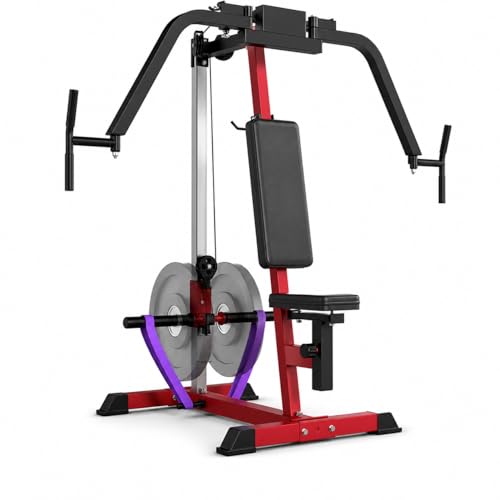
- Rotating handles for wrist comfort
- Six arm positions and four-seat settings
- Heavy-duty plate-loaded construction
Best For: Lifters who want the most adjustable plate-loaded option with rotating grips
Freestyle Upper-Body Trainer
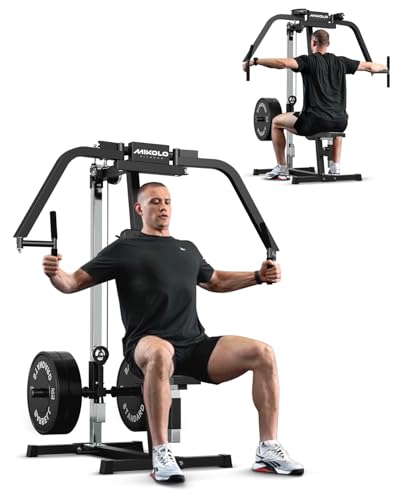
- 6 arm positions for unilateral or bilateral work
- Lengthened arms support deeper reverse fly movements
- Compact frame with 400 lb capacity
Best For: Home gyms needing adjustable chest and rear-delt training
Natural-Motion Chest Trainer
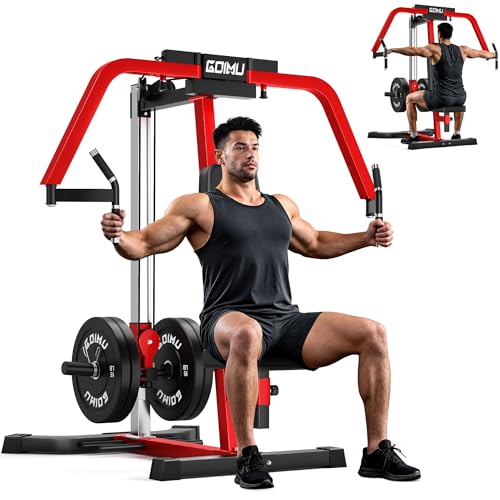
- Freestyle motion with dual overhead cams
- 6 swivel positions for deeper fly work
- Compact frame rated to 400 lbs
Best For: Users wanting a natural-feeling home-gym fly machine
Heavy-Duty Rotary Trainer
SPART Adjustable PEC Fly Machine

- 600 lb capacity with 14-gauge steel frame
- 6 rotary positions and 4-height seat adjustment
- Supports bands plus 1-inch and 2-inch plates
Best For: Users who want the heaviest-duty option with flexible loading
Commercial-Grade PEC Deck Fly – Chest Press & Butterfly Station
If you want a pec deck fly machine built for heavy, repeat use, this commercial model is aimed at serious chest and delt training. It combines pec fly and delt work in one station, with adjustable positions, gas-assisted seat setup, and a natural movement path that helps keep reps smooth and comfortable.
Best For: Commercial gyms, high-traffic training rooms, or home users who want a heavy-duty selectorized chest fly machine.
Pros:
- Commercial-grade frame designed for continuous professional workouts
- Quick adjustment between delt exercises and pec fly movements
- Gas-assisted seat and wider back cushions improve comfort on longer sessions
- Separate eccentrics are designed to follow the body’s natural force curve
Cons:
- Large footprint may be impractical for small home gyms
- Very heavy unit at 545 lbs, so setup and placement are not simple
- Priced and built more like a commercial machine than a basic home option
This pec deck fly machine stands out if durability, stability, and smooth biomechanics matter more than portability. The 210 lb stack, adjustable fit, and five-year frame warranty make it a strong long-term investment for dedicated training spaces.
Plate-Loaded Pec Fly – Reverse Delt Strength Machine
This pec deck fly machine uses a plate-loaded design for lifters who prefer Olympic plates over a selectorized stack. It’s built to train chest, back, shoulders, pectorals, and deltoids, with unilateral or bilateral movement options and swivel handles for a more natural pressing and fly pattern.
Best For: Home or garage gyms that want a plate-loaded upper-body specialty machine with a compact footprint.
Pros:
- Fits up to 300 lb of Olympic plates on 10″ loadable sleeves
- Dual overhead cams support unilateral or simultaneous arm movement
- Adjustable seat and thick padding improve user fit and comfort
- Swivel handles help with more natural range-of-motion positioning
Cons:
- Requires weight plates, which are not included
- Lower maximum load than heavier commercial selectorized machines
- Best suited to upper-body accessory work rather than full-body training
For buyers who want plate-loaded resistance and a focused fly/rear-delt setup, this machine is a practical middle ground. Its steel frame, smooth pulley components, and bolt-down options add to its appeal in a dedicated lifting space.
Dual-Function Pec Deck – Chest & Rear Delt Trainer
If you want a pec deck fly machine that does more than just chest isolation, this dual-function unit adds rear delt fly work in the same footprint. It also uses a selectorized 220 lb weight stack, adjustable seat and handles, and a cam system designed to keep tension smooth through the movement.
Best For: Home gyms, studios, or commercial spaces that need a versatile chest and rear-delt machine with a weight stack.
Pros:
- 2-in-1 design switches between pec flyes and rear delt flyes
- 220 lb selectorized stack makes resistance changes quick and simple
- Heavy-duty 3″ x 3″ tubing and 12-gauge steel support commercial use
- Compact footprint saves floor space compared with separate machines
Cons:
- At 662 lbs, it is a very heavy machine to move or install
- Requires significant space despite being compact for a dual-function unit
- Higher commitment than a basic plate-loaded fly machine
This is a strong choice if you want one machine that handles chest isolation and rear delt work without constant plate changes. The smooth pulley system, adjustable ergonomics, and commercial-style build make it a versatile long-term option.
3-in-1 Chest Fly Machine – Adjustable Arm PEC Deck
This pec deck fly machine is aimed at buyers who want flexibility in a compact home-gym setup. It supports chest fly, reverse fly, and cable crunch work, while the adjustable arm angles, seat height settings, and jointed handle design give you more ways to tailor the movement.
Best For: Home gym users who want a space-saving 3-in-1 upper-body and core machine.
Pros:
- Three functions in one machine: chest fly, reverse fly, and cable crunch
- Jointed handles and multi-level adjustments help fit different users
- Supports 1-inch and 2-inch weight plates up to a 575 lb total machine load
- Heavy-duty steel base is designed for stable home use
Cons:
- Weight plates are not included
- Best suited to home gyms rather than large commercial facilities
- May require occasional lubrication for smoother bearing and cable operation
For compact training spaces, this model offers the most versatility of the group. It brings together chest isolation, rear-delt work, and ab training in a single machine, making it a practical pick when floor space matters.
Selectorized Dual-Function – Titan Fitness PEC Fly & Reverse Delt Machine
If you want a pec deck fly machine that can also handle rear delt work, this Titan Fitness selectorized unit keeps things straightforward. The 200 lb weight stack, adjustable arms, and dual-grip handles make it easy to switch between chest flys and reverse delt exercises without changing setups.
Best For: Home gym users who want a selectorized pec deck fly machine for quick resistance changes and dual chest/rear-delt training.
Pros:
- 200 lb weight stack with 10 lb selector increments for fast adjustments
- Seven arm positions help set a more natural range of motion
- Dual-grip handles support pec fly and reverse delt work
- Commercial-style pulleys and nylon cable are built for smooth motion
Cons:
- Large footprint at 58.5″D x 48″W x 83″H
- Very heavy at 445 pounds
- Only a 1-year manufacturer warranty
This is a practical choice if you want one machine for chest and rear-delt training with quick pin-based resistance changes. The build and adjustment options are geared toward repeatable, controlled reps rather than minimalist home gym setups.
Plate-Loaded Space Saver – VEVOR Chest Fly and Reverse Delt Machine
This pec deck fly machine is built for home gyms that prefer plate-loaded resistance over a fixed stack. With six seat positions, compatibility for 1-inch and 2-inch plates, and a compact frame, it gives you a simple way to train chest, back, pectorals, rear delts, and shoulders.
Best For: Lifters who want a compact plate-loaded pec deck fly machine with adjustable seating and a high stated capacity.
Pros:
- Compatible with 1-inch and 2-inch weight plates
- Seat has 6 adjustable positions for different body types
- High stated weight capacity of 450 lbs
- Compact design fits better in smaller home gyms
Cons:
- Plate loading is less convenient than a selectorized stack
- No mention of dual-grip or rotating handles
- Seat adjustment range is functional but not highly detailed beyond the listed positions
For buyers who already own plates, this VEVOR machine keeps the setup flexible and space-conscious. It focuses on stable padding, basic adjustability, and broad upper-body use rather than extra premium features.
Rotating Handle Performer – PEC Deck & Reverse Delt Machine
If you want a pec deck fly machine with more adjustability at the handles, this plate-loaded trainer is designed to support both chest flys and reverse delt work. The rotating handles, six arm positions, and four-position seat are all aimed at helping you fine-tune alignment and comfort during upper-body sessions.
Best For: Home gym lifters who want a highly adjustable plate-loaded pec deck fly machine with rotating handles.
Pros:
- Rotating handles are designed to reduce wrist discomfort
- Six adjustable arm positions help target chest and rear delts
- Four-position seat accommodates different user heights
- Heavy-duty steel frame with high stated durability testing
Cons:
- Plate-loaded design requires separate weight plates
- More moving parts may mean a more complex setup than basic machines
- Premium features can be overkill if you only need simple fly work
This model stands out for adjustability and ergonomics, especially if wrist comfort matters during fly movements. It looks like the strongest pick here for users who want a more dialed-in training feel from a plate-loaded machine.
Freestyle Upper-Body Trainer – Mikolo Chest Fly Machine
If you want a pec deck fly machine that feels a little more natural than a fixed-path press, the Mikolo model is built around freestyle movement. Its dual overhead resistance cams, 6 arm positions, and lengthened arms are aimed at giving you a deeper stretch for chest and rear-delt work while keeping the footprint home-gym friendly.
Best For: Home gym users who want a compact, plate-loaded pec deck fly machine for chest and rear-delt training with adjustable movement options.
Pros:
- 6 adjustable positions on the swiveling arms for single-arm or bilateral training
- Lengthened arms help support deeper reverse fly motion
- 10-degree backrest angle is set to better target upper chest stimulation
- Compact build uses about 13.5 square feet and supports up to 400 lbs
Cons:
- Plate-loaded design means you need your own weight plates
- Large home-gym machine still requires meaningful floor space
This is a solid pick if your priority is a versatile pec deck fly machine with adjustable arms and a compact frame. The comfort-focused padding and sturdy steel construction make it practical for consistent home training.
Natural-Motion Chest Trainer – GOIMU CF01-PRO PEC Fly
The GOIMU CF01-PRO is a pec deck fly machine built around a freestyle motion pattern, so it is aimed at lifters who want a more natural feel during chest and deltoid work. With dual overhead resistance cams, 6 swivel positions, and a compact plate-loaded frame, it is designed to fit a home gym without giving up key adjustment points.
Best For: Home gym users who want a compact pec deck fly machine with freestyle movement and adjustable ergonomics.
Pros:
- Freestyle design mimics natural movement patterns
- Dual overhead resistance cams support independent single-arm rows
- Lengthened arms and 6 swivel positions allow deeper reverse fly movement
- Compact 13.5 sq. ft. footprint with 400 lb weight capacity
Cons:
- Plate-loaded setup requires separate weight plates
- Model details list more than one backrest adjustment description
If you want a pec deck fly machine that emphasizes adjustability and a natural range of motion, this one covers the basics well. The frame size and 400 lb rating make it practical for home use, while the ergonomic updates help it suit a wider range of users.
Heavy-Duty Rotary Trainer – SPART Adjustable PEC Fly Machine
For buyers comparing a pec deck fly machine that prioritizes stability and load capacity, the SPART model stands out with a heavier-duty build. It combines 6 rotary positions per side, a 4-height adjustable seat, and compatibility with both 1-inch and 2-inch plates, making it a flexible option for chest, back, shoulder, and rear-delt training.
Best For: Lifters who want a heavy-duty pec deck fly machine with higher capacity and more resistance options.
Pros:
- 600 lb capacity and 50x50mm 14-gauge steel construction
- Independent arms with 6 rotary positions per side
- 4-height adjustable seat helps fit different users
- Includes bend pegs and removable adapters for bands or 1-inch and 2-inch plates
Cons:
- Larger capacity frame may be more machine than casual users need
- Plate-loaded setup still requires external weights
This is the most robust-feeling choice in the group if you want a pec deck fly machine that can handle heavier training and multiple resistance setups. The added adapters and bend pegs give it extra versatility for a home gym.
How We Picked the Best Pec Deck Fly Machine Options
We focused on machines that balance movement quality, build strength, and practical adjustability. Priority factors included load type, stated weight capacity, seat and arm adjustment, versatility for chest and rear delt work, and suitability for different gym setups.
We also considered whether each Pec Deck Fly Machine is better suited to a home gym or a high-traffic training environment, since stability and ease of use matter just as much as exercise variety.
Quick Comparison: What Matters Most
Before choosing, compare the loading style, resistance ceiling, and footprint. Plate-loaded machines usually offer a more natural progression and are often preferred for heavier training, while selectorized units are faster to adjust between users.
Also look at how the arms move, whether the seat and backrest are easy to position, and whether the machine can support both chest fly and reverse fly patterns without awkward transitions.
Key Buying Factors for a Pec Deck Fly Machine
Loading Style
Choose plate-loaded if you want flexibility and lower long-term ownership costs. Choose selectorized if convenience, speed, and shared use are more important.
Adjustability and Fit
A good Pec Deck Fly Machine should allow comfortable starting positions and smooth arm alignment. Multiple handle, arm, and seat settings help users with different torso lengths train through a safer range of motion.
Capacity and Construction
Check the stated capacity, frame rating, and overall stability. Higher capacities are especially important if you plan to train heavy or use the machine in a commercial setting.
Exercise Versatility
The best units do more than chest flys. Reverse delt capability adds value by turning one machine into a broader upper-body tool for shoulder balance and back-focused accessory work.
Space and User Experience
Consider footprint, entry/exit height, and how easy the machine is to load and adjust. A compact model may suit a garage gym, while a larger frame may be worth it for durability and comfort.
Who Should Buy Which Pec Deck Fly Machine?
If you want heavy-duty durability and long-term use, a higher-capacity plate-loaded model is often the best fit. If you run a shared gym or want quick changes between users, selectorized options are more efficient. For smaller home gyms, look for a compact Pec Deck Fly Machine with straightforward adjustments and a stable base.
In short, buy for your training style first: chest-focused lifters should prioritize arm path and comfort, while all-around upper-body trainees may get more value from a dual-function chest and rear delt design.