Finding dependable hiking shoes for wide feet can make the difference between enjoying a trail and cutting a hike short. The right pair should provide enough forefoot room without sacrificing traction, stability, weather protection, or comfort.
We’ve gathered 10 options for different hiking styles, from supportive waterproof shoes and boots to lightweight designs with generous toe boxes and minimalist construction.
Best 10 Hiking Shoes for Wide Feet Picks for 2026
Classic Trail Comfort
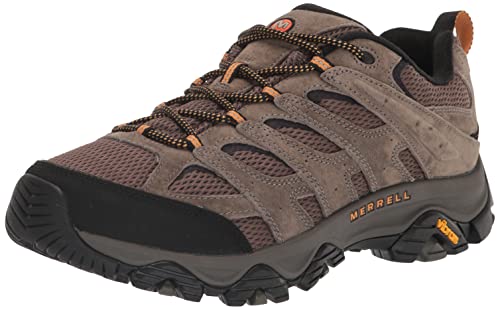
- Leather-and-mesh upper with protective toe cap
- Contoured removable insole with moderate support
- Bellows tongue helps block debris; not water resistant
Best For: Moderate day hikes and established trails
Lightweight Dry-Trail Pick

- Breathable suede-and-mesh upper for dry environments
- High-traction tread for dirt, rocks, and varied terrain
- Wide fit available; not water resistant
Best For: Dry hikes and casual trail wear
Comfort-Focused Trail Pick
Women's Waterproof Hiking Boots

- Wide toe box version available
- Waterproof suede and mesh upper
- EVA cushioning with traction rubber outsole
Best For: Women wanting a roomy, waterproof hiking boot for rugged trails
Roomy Natural-Movement Pick
Men's Wide Toe Box Hiking Shoes

- Roomy toe box with 5mm low drop
- Water-resistant protective upper
- 4mm lugs for trail and urban grip
Best For: Men seeking wide-foot comfort for hiking, travel, and daily walking
Secure Ankle-Support Pick

- Ankle-high waterproof construction
- Removable shock-absorbent insoles
- Slip-resistant rubber traction outsole
Best For: Men prioritizing ankle coverage and cushioned wet-weather traction
Flexible Trail Pick

- Wide toe box supports natural toe spread
- Zero-drop, flexible minimalist design
- Lugged rubber outsole for varied terrain
Best For: Hikers wanting roomy toe space and a barefoot-style feel
Waterproof Support Choice
KEEN Hightrail Low Waterproof Hiking Shoes

- Waterproof breathable KEEN.DRY membrane
- 4mm lugs and stability shank for rugged trails
- LuftCell cushioning with removable footbed
Best For: Hikers seeking waterproof protection and structured support
Everyday Trail Value
CC-Los Waterproof Hiking Shoes

- Waterproof upper for wet outdoor conditions
- Memory foam sockliner and lightweight grip
- Reinforced toe cap for rocky terrain
Best For: Casual hikers wanting comfort, protection, and all-weather grip
Classic Trail Comfort – Merrell Moab 3
For shoppers comparing hiking shoes for wide feet, the Merrell Moab 3 offers a supportive, traditional trail design with a leather-and-mesh upper, moderate cushioning, and a contoured footbed. Its protective toe cap and bellows tongue add practical trail coverage, though it is not water resistant.
Best For: Moderate day hikes, established trails, and hikers who prefer a supportive leather-and-mesh shoe.
Pros:
- Contoured Kinetic Fit ADVANCED removable insole with reinforced heel cushioning
- Protective toe cap helps shield the front of the foot
- Bellows tongue helps keep trail debris out
- Uses recycled laces, webbing, and mesh lining
Cons:
- Not water resistant
- Moderate cushioning may feel less plush than highly cushioned options
- Leather construction may feel less airy than an all-mesh shoe
The Moab 3 is a sensible choice when fit, moderate support, and familiar trail protection matter more than waterproofing. Check the available width and sizing carefully when shopping for hiking shoes for wide feet.
Wet-Weather Coverage – Columbia Transverse Hike Waterproof
The Columbia Transverse Hike Waterproof is a practical pick among hiking shoes for wide feet when wet-weather protection is a priority. Its seam-sealed Omni-Tech construction is designed for rain and snow, while Techlite cushioning and Omni-Grip traction support varied terrain.
Best For: Hikers tackling rainy, snowy, or mixed-terrain routes who want waterproof ankle-height coverage.
Pros:
- Waterproof, seam-sealed Omni-Tech construction
- Techlite cushioning provides lightweight impact absorption and energy return
- Omni-Grip outsole is designed for rock, dirt, and gravel in wet or dry conditions
- Leather-and-mesh upper includes a cushioned collar
Cons:
- Waterproof construction may feel less airy than a non-waterproof shoe
- Listed as a pull-on closure, which offers less adjustability than traditional laces
- Mid-top design may feel more substantial than a low hiking shoe
If your wide-foot hiking plans include frequent rain or snow, the Transverse Hike’s waterproof build and multi-terrain outsole make it a strong contender. Confirm the width option and fit before ordering.
Lightweight Dry-Trail Pick – Columbia Crestwood
The Columbia Crestwood is a lightweight option to consider when shopping for hiking shoes for wide feet in dry conditions. Its breathable suede-and-mesh construction, moderate foam cushioning, and high-traction tread are suited to dirt, rocks, and everyday outdoor wear.
Best For: Dry-environment hikes, casual trail use, and shoppers seeking a breathable shoe with a wide-fit option.
Pros:
- Breathable suede-and-mesh upper is suited to dry environments
- High-traction tread supports dirt, rocks, and varied terrain
- Lightweight design is intended to avoid bulky trail feel
- Wide fit is listed as available
Cons:
- Not water resistant
- Designed primarily for dry conditions
- Moderate cushioning may not suit hikers seeking maximum underfoot padding
The Crestwood stands out for its breathable build and explicitly listed wide-fit availability. It is best matched with dry trails and everyday use rather than wet-weather hiking.
Generous Toe Room – KEEN Targhee 3 Low Waterproof
The KEEN Targhee 3 Low is a compelling choice for hiking shoes for wide feet because its Original Fit is designed to give toes generous room to spread out. It combines waterproofing, a protective toe guard, moderate cushioning, and multi-directional traction for muddy and rocky routes.
Best For: Hikers needing extra toe space for wet, rocky, or muddy trails.
Pros:
- KEEN Original Fit provides generous space for toe spread
- KEEN.DRY membrane helps keep feet dry while allowing vapor out
- 4mm multi-directional lugs provide traction on muddy and rocky surfaces
- Bruise plate and abrasion-resistant rubber toe guard add trail protection
Cons:
- Moderate cushioning may not provide a highly plush feel
- Leather upper may require more care than a fully synthetic option
- Protective construction can feel more substantial than a lightweight trail shoe
With its generous toe box, waterproof membrane, and protective underfoot features, the Targhee 3 Low is especially well suited to hikers who prioritize room in the forefoot without giving up wet-trail protection.
Comfort-Focused Trail Pick – Women's Waterproof Hiking Boots
For shoppers comparing hiking shoes for wide feet, this NORTIV 8 women’s hiking boot is worth considering in its wide toe box version. It combines waterproof construction, a cushioned EVA insole, and a traction-focused rubber outsole for hikes on rugged ground.
Best For: Women seeking a waterproof hiking boot with a roomier toe-box option, cushioning, and a feminine suede-style look.
Pros:
- Wide toe box version is available for a looser fit.
- Waterproof mesh-and-suede construction helps protect against wet conditions.
- EVA insole, lightweight midsole, and rubber outsole support cushioning and traction.
- Contrasting colors and a soft suede appearance provide a fashionable outdoor style.
Cons:
- The wider fit requires selecting the specific wide toe box version.
- The slightly firm sole may feel less flexible to shoppers who prefer a soft, pliable sole.
- The listed 14.98-ounce single-shoe weight may not suit those seeking an ultralight option.
This is a practical choice for wet-weather hikes when you want extra toe-room flexibility without giving up ankle coverage, cushioning, or trail grip.
Roomy Natural-Movement Pick – Men's Wide Toe Box Hiking Shoes
Among hiking shoes for wide feet, these NORTIV 8 men’s shoes stand out for their roomy toe box and 5mm low-drop design. The waterproof membrane, moderate EVA cushioning, and 4mm traction lugs make them suited to both trails and everyday walking.
Best For: Men who want a wide toe box, low-drop feel, moderate cushioning, and water-resistant protection for hiking, travel, and urban use.
Pros:
- Roomy toe box allows toes to spread naturally and may reduce pressure.
- 5mm low-drop design supports a more natural foot position.
- Waterproof membrane, abrasion-resistant Oxford fabric, and reinforced TPU toe and heel add protection.
- 4mm lugs and a segmented heel provide traction, stability, and flexibility.
Cons:
- The product is water resistant rather than described as fully waterproof in the specifications.
- Moderate cushioning may not satisfy shoppers seeking maximum underfoot padding.
- The low-drop design may require adjustment for people accustomed to traditional hiking shoes.
This model is especially versatile for buyers who want natural toe movement and trail traction in a low-top shoe that can transition from outdoor routes to city streets.
Secure Ankle-Support Pick – Men's Waterproof Hiking Boots
For shoppers looking at hiking shoes for wide feet who prefer a higher-cut boot, this NORTIV 8 ankle-high model emphasizes cushioning, stability, and waterproof protection. Its removable insole and flexible EVA midsole are designed for extended wear across trails and outdoor activities.
Best For: Men wanting an ankle-high waterproof boot with removable cushioning, flexible support, and slip-resistant traction.
Pros:
- Waterproof construction helps protect feet in wet conditions.
- Removable, shock-absorbent cushioned insoles offer adjustable support.
- Flexible EVA midsoles help reduce foot fatigue during long wear.
- Rubber soles provide slip-resistant traction on wet or muddy surfaces.
Cons:
- The notes do not specify a wide toe box or dedicated wide sizing.
- Ankle-high construction may feel less airy than a low-top hiking shoe.
- The higher-cut design may be more support than needed for casual urban walking.
This boot is a sensible option when ankle coverage and wet-surface grip matter more than a specifically advertised wide fit, with cushioning features that support long days outdoors.
Flexible Trail Pick – MIFAWA Barefoot Hiking Shoes
If you prefer a roomy, natural-feeling fit, these MIFAWA barefoot shoes are a flexible option among hiking shoes for wide feet. Their wide toe box gives toes more room to spread, while the zero-drop design and lugged rubber outsole support minimalist movement across outdoor surfaces.
Best For: Hikers who want a wide toe box, minimal cushioning, and a versatile shoe for trails, training, and everyday wear.
Pros:
- Wide toe box helps accommodate natural toe splay.
- Zero-drop sole encourages a midfoot or forefoot strike.
- Lugged rubber outsole provides traction on dirt, mud, gravel, roots, and rocks.
- Removable insoles offer adjustable arch support.
Cons:
- Minimal or moderate cushioning may not suit hikers seeking a highly cushioned ride.
- Water resistance is listed rather than full waterproof protection.
- The minimalist design may require an adjustment period for some users.
This is a practical choice if toe room and ground feel matter more to you than heavy cushioning. Its broad activity range also makes it useful beyond hiking.
Waterproof Support Choice – KEEN Hightrail Low Waterproof Hiking Shoes
The KEEN Hightrail Low is a supportive option for shoppers comparing hiking shoes for wide feet, especially when wet-weather protection is important. Its contoured fit follows the natural shape of the foot, while the waterproof membrane, stability shank, and multidirectional lugs are suited to rugged trails.
Best For: Hikers who prioritize waterproofing, underfoot stability, and moderate-to-high cushioning on uneven terrain.
Pros:
- KEEN.DRY membrane helps keep feet dry while allowing vapor to escape.
- 4mm multidirectional lugs provide traction on rugged terrain.
- Stability shank supports mobility over uneven surfaces.
- Removable footbed and KEEN LuftCell cushioning support longer walks.
Cons:
- The 12mm heel drop may not suit hikers seeking a zero-drop design.
- Leather construction may feel less flexible than a minimalist mesh shoe.
- The notes describe a contoured fit but do not specify a wide-width option.
Choose this model when weather protection and structured support are higher priorities than an especially flexible or minimalist feel. Its leather build and waterproof construction make it well suited to demanding outdoor use.
Everyday Trail Value – CC-Los Waterproof Hiking Shoes
For shoppers looking for practical hiking shoes for wide feet, the CC-Los waterproof hiking shoes combine a breathable upper with a supportive memory foam sockliner and non-slip rubber outsole. The reinforced toe cap adds protection for rocky routes, while the lightweight construction is designed for walking and outdoor activities.
Best For: Casual hikers who want waterproof coverage, moderate cushioning, and all-weather grip for everyday trails.
Pros:
- Waterproof design helps keep feet dry in wet conditions.
- Suede leather and mesh upper promotes airflow.
- Memory foam sockliner provides moderate cushioning.
- Non-slip rubber outsole and reinforced toe cap support rugged terrain.
Cons:
- The listed fit details do not confirm a specific wide-width version.
- At 1.9 pounds, it may feel heavier than minimalist alternatives.
- Medium arch construction may not suit every foot shape.
This model offers a balanced feature set for routine hiking, walking, and mixed outdoor use. It is worth considering if you want waterproofing and grip without moving to a more technical-looking hiking shoe.
How We Picked the Best Hiking Shoes for Wide Feet
We focused on fit, trail-ready protection, traction, support, and practical value. The lineup includes established hiking brands alongside budget-friendly alternatives, so you can compare conventional wide-fitting designs with shoes that use roomy toe boxes or minimalist shapes.
Waterproof membranes, reinforced uppers, cushioned midsoles, ankle coverage, outsole grip, and overall weight were considered because each affects comfort and performance on different terrain. Since “wide” can mean extra room through the entire shoe or simply more space around the toes, checking the manufacturer’s sizing chart and return policy is still essential.
Quick Comparison
| Best For | Look For | Recommended Style |
|---|---|---|
| Everyday day hikes | Balanced cushioning and grip | Low hiking shoes |
| Wet trails | Waterproof construction and sealed seams | Waterproof hiking shoes or boots |
| Extra toe room | Wide toe box and nonrestrictive upper | Wide-fit or anatomical designs |
| Uneven terrain | Firm heel hold and supportive midsole | Low or ankle-height hikers |
| Minimalist hiking | Zero drop, flexible sole, and ground feel | Minimalist trail shoes |
Key Buying Factors for Hiking Shoes for Wide Feet
Fit and Toe-Box Shape
Your toes should be able to spread naturally without touching the sides. Leave roughly a thumb’s width in front of the longest toe, especially when hiking downhill. A shoe that is wide only at the forefoot may fit differently from one with a wider heel and midfoot, so consider your full foot shape.
Waterproofing and Breathability
Waterproof shoes are useful for wet grass, shallow puddles, and rainy conditions, but they can run warmer than breathable mesh. For dry, hot-weather hikes, ventilation may matter more than maximum water resistance.
Traction and Stability
Look for a lugged rubber outsole suited to your usual terrain. Deeper, more aggressive lugs help with mud and loose ground, while moderate lugs often feel smoother on packed dirt and mixed urban trails. A secure heel and supportive midsole also help reduce foot movement on uneven surfaces.
Cushioning, Weight, and Break-In
More cushioning can improve comfort on rocky trails, while lighter shoes reduce fatigue on long walks. Stiffer boots may offer more structure but usually need a longer break-in period. Wear your intended hiking socks when trying on any pair.
Who Should Buy Which Hiking Shoes for Wide Feet?
Choose a classic low hiking shoe if you want an everyday option for maintained trails and travel. A waterproof model is better for damp climates or shoulder-season hiking. Select an ankle-height boot when you prefer additional ankle coverage, more structure, or a secure feel with a loaded pack.
For the most forefoot freedom, prioritize wide-toe-box designs and verify the shape with the sizing guide. Minimalist shoes suit experienced hikers who prefer zero-drop platforms and natural foot movement, but they may require gradual adaptation. If value is your priority, budget waterproof models can work well for casual hikes—just pay close attention to outsole durability, fit consistency, and return terms.