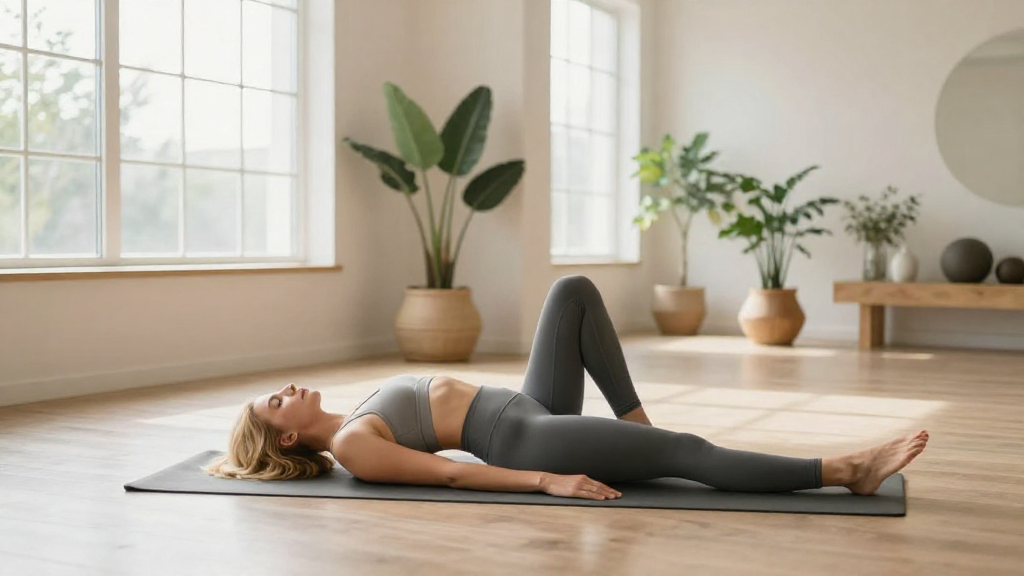
In the pursuit of fitness through stretching, a frequent question arises: can stretching alone keep you fit?
This article dives deep into understanding the role of stretching in maintaining fitness and overall well-being.
What Is Fitness Through Stretching?
Fitness through stretching refers to the benefits gained from regular stretching exercises aimed at enhancing flexibility, improving range of motion, and supporting muscle recovery.
While stretching is often viewed as a warm-up or cool-down activity, its potential for contributing to overall fitness is significant.
Benefits of Stretching
-
Increased Flexibility:
Stretching helps lengthen the muscles and improve range of motion, which is especially important as we age. -
Enhanced Circulation:
Improved blood flow not only aids recovery but also promotes overall heart health. -
Reduced Risk of Injury:
Consistent stretching prepares muscles for physical activity and helps prevent injuries. -
Improved Posture:
Stretching strengthens and balances muscles, leading to better alignment and posture. -
Stress Relief:
Gentle stretching can have a calming effect, reducing tension and promoting relaxation.
Can Stretching Alone Keep You Fit?
While the benefits of stretching are undeniable, it’s crucial to ask, can fitness through stretching truly be sufficient?
The answer lies in understanding the different aspects of fitness, which generally encompasses strength, endurance, flexibility, and body composition.
1. What About Strength?
Strength training is essential for building muscle mass and supporting metabolism. Stretching can improve flexibility but does not contribute significantly to strength gains.
- Recommendation: Incorporate bodyweight exercises or resistance training into your routine to develop strength.
2. Is Endurance Important?
Endurance is the capacity to sustain prolonged physical activity.
Stretching alone does not boost cardiovascular fitness.
- Recommendation: Engage in activities like running, cycling, or swimming to improve endurance levels.
3. Can You Be Flexible Without Strength?
While flexibility is a component of fitness, it often works in tandem with strength and endurance.
Relying solely on stretching may lead to an imbalance between flexibility and strength.
- Recommendation: Strive for a balanced routine that includes strength, endurance, and flexibility exercises.
How Often Should You Stretch?
Fitness through stretching can be optimized by incorporating it into your routine effectively.
- Aim to stretch at least 2-3 times per week.
- Hold each stretch for 15-30 seconds.
- Focus on major muscle groups: hamstrings, quadriceps, back, shoulders, and chest.
What Types of Stretching Are Best?
To maximize the benefits of fitness through stretching, consider the following types:
-
Static Stretching:
Performed by holding a stretch position for a period of time. Great for post-workout recovery. -
Dynamic Stretching:
Involves movement and control, suitable as a warm-up to increase heart rate. -
Ballistic Stretching:
Involves bouncing or jerking movements, to be approached carefully to avoid injury. -
PNF Stretching (Proprioceptive Neuromuscular Facilitation):
Involves both stretching and contracting the muscle group. It’s effective but should ideally be done with a partner.
What Else Should You Consider for Fitness?
Fitness encompasses a holistic approach beyond just stretching. Here’s how to create a well-rounded fitness routine:
-
Strength Training:
Add weights or resistance bands 2-3 times a week. -
Cardio:
Aim for 150 minutes of moderate aerobic activity or 75 minutes of vigorous activity each week. -
Flexibility and Balance:
Incorporate regular stretching and balance training (like yoga or Pilates). -
Nutrition:
Maintain a balanced diet rich in fruits, vegetables, lean proteins, and whole grains to support your fitness goals.
Conclusion: Is Stretching Enough?
In conclusion, while fitness through stretching is an astute practice that enhances flexibility and offers several benefits, it’s inadequate on its own for complete fitness.
Engaging in a well-rounded fitness routine that includes strength training and cardiovascular activities alongside regular stretching is crucial.
Combining these elements not only contributes to flexibility but also ensures a stronger, healthier, and more resilient body.
Final Thoughts
Incorporating stretching into your life can indeed enhance your wellbeing, but remember:
For a truly fit life, it’s about balance.
Make sure to diversify your fitness regimen, keeping stretching as an integral, yet supplementary, aspect of your journey toward optimal health.
By focusing on a holistic approach that embraces fitness through stretching alongside strength and endurance training, you can achieve a well-rounded fitness level that benefits your body and mind.