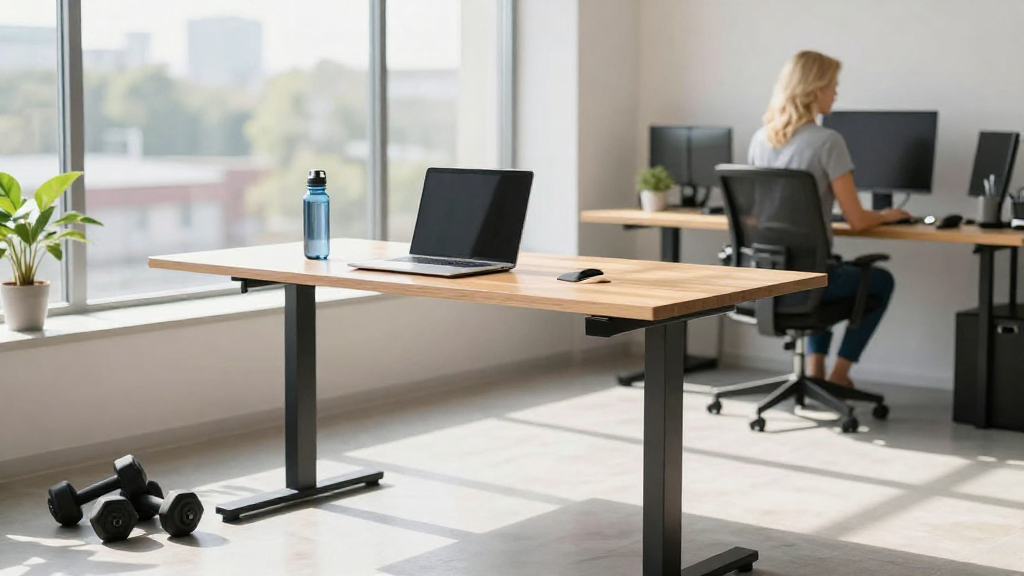
The relationship between fitness and standing desks has gained significant attention in recent years as more individuals seek ways to enhance their health and productivity while working.
In this article, we will explore how standing desks may support your fitness goals, the potential benefits they offer, and tips on integrating them into your daily routine.
How Do Standing Desks Help with Fitness Goals?
Standing desks have become popular as an alternative to traditional seated desks, primarily due to the potential health benefits associated with standing while working.
Here are some key ways fitness and standing desks intersect:
-
Increased Caloric Burn:
– Standing burns more calories than sitting.
– On average, standing can burn about 50 calories more per hour than sitting.
– Over time, this can contribute to a healthier weight and improved body composition. -
Improved Posture:
– Many individuals who switch to standing desks report better alignment and reduced back pain.
– Good posture helps prevent musculoskeletal issues which can interfere with fitness routines. -
Enhanced Energy Levels:
– Standing increases blood circulation, which may lead to higher energy levels.
– Increased energy can motivate individuals to engage in physical activities after work hours. -
Opportunity for Movement:
– With a standing desk, it’s easier to incorporate movement into your workday.
– Simple actions like stretching or walking around become more feasible when you’re not seated for long periods. -
Boosted Mood:
– Research suggests that standing may enhance mood and reduce feelings of fatigue.
– A positive mindset can support your overall fitness goals.
What Are the Downsides of Standing Desks for Fitness?
While there are benefits to using standing desks, it’s essential to consider some potential downsides as well.
Here are factors to keep in mind:
- Fatigue and Discomfort:
- Prolonged standing can lead to fatigue and discomfort in the legs and feet.
-
It’s advisable to take breaks and shift between standing and sitting.
-
Risk of Vein Problems:
- Extended periods of standing can lead to issues such as varicose veins.
-
Compression socks can be an option for those who stand for long hours.
-
Adjustment Period:
- Transitioning from a sitting to a standing desk may take some time.
- It’s advisable to gradually increase standing time to improve comfort levels.
How Can You Optimize Standing Desk Usage for Fitness?
Implementing a standing desk effectively can significantly support your fitness goals. Here are some tips:
- Alternate Between Sitting and Standing:
- Aim for a balance by switching every 30-60 minutes.
-
Use a timer or app as a reminder to stand up or sit down.
-
Use an Anti-Fatigue Mat:
- These mats provide support and cushioning for your feet.
-
They help reduce discomfort associated with standing for long periods.
-
Incorporate Movement:
- Use your standing desk as an opportunity to move.
- Try small exercises or stretches throughout the day.
-
Consider using a walking pad or stability ball to stay active.
-
Adjust Your Desk Height:
- Ensure your desk is at the right height for comfortable standing.
-
Elbows should be at a 90-degree angle when typing.
-
Stay Hydrated:
- Keep a water bottle at your desk.
- Regular trips to refill your bottle encourage movement.
Can Standing Desks Replace Exercise?
It’s essential to remember that while standing desks can aid in supporting fitness goals, they are not a replacement for regular exercise.
Here’s why:
- Limited Physical Activity:
- Standing is not the same as engaging in cardiovascular or strength-training exercises.
-
It’s vital to combine standing with regular workouts for optimal health benefits.
-
Specific Fitness Goals:
- Fitness goals such as muscle gain or significant weight loss require more than just reducing sitting time.
- A well-rounded fitness plan should include various forms of exercise.
Are Standing Desks Worth it for Fitness?
For many people, fitness and standing desks can be a worthwhile investment, particularly for those who spend long hours at a desk.
- Personalized Benefits:
- The effectiveness of standing desks can vary based on individual lifestyles, workloads, and personal fitness goals.
-
They may work well for tech workers, writers, or anyone who can incorporate standing into their work.
-
Long-Term Health Improvements:
- By reducing time spent sitting, standing desks can lead to long-term benefits such as improved cardiovascular health and lower risk of chronic diseases.
What Studies Say About Standing Desks and Fitness?
Numerous studies have delved into the relationship between fitness and standing desks over the years.
Some of the key findings include:
- Increased Energy Expenditure:
-
Studies have shown that individuals using standing desks typically have higher energy expenditure compared to those who sit.
-
Reduced Sedentary Time:
-
Adopting a standing desk can significantly reduce overall sedentary time during the workday, which is a critical factor in improving health outcomes.
-
Posture Improvement:
- Research indicates that standing desks can help improve posture and reduce back discomfort, making it easier to maintain physical activity outside of work.
Conclusion: Where Do You Stand?
In conclusion, the interaction between fitness and standing desks is multifaceted.
Standing desks can offer several benefits that support fitness goals, including:
- Increased calorie burn.
- Improved posture.
- Enhanced energy levels.
However, they should not be seen as a complete substitute for physical exercise. The best approach involves:
- Incorporating standing desks into an active work routine.
- Regularly exercising outside work hours.
- Listening to your body and adjusting your routine as needed.
By strategically incorporating standing desks into your daily life, you can create a conducive environment that supports your overall health and fitness ambitions.