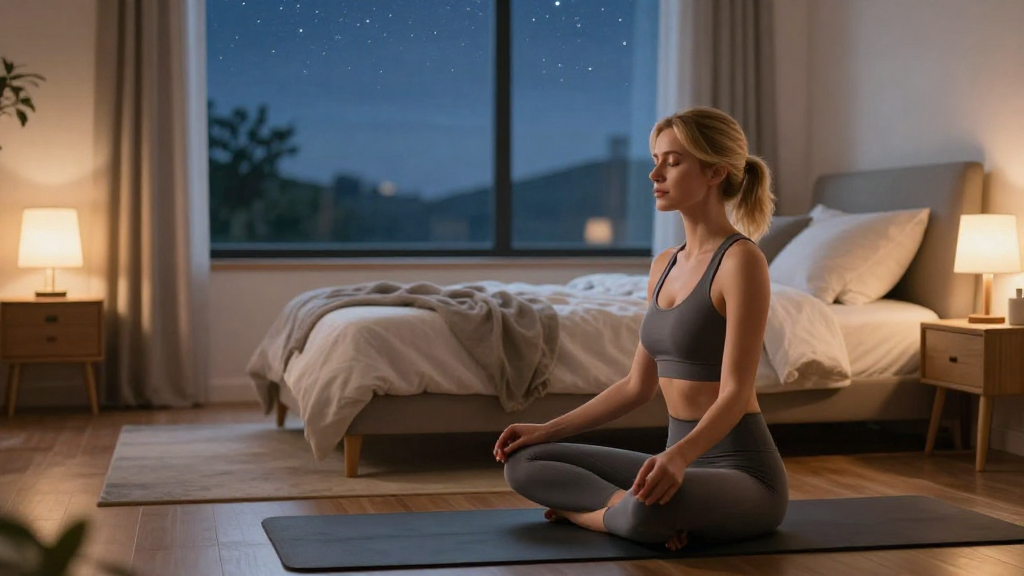
Are you struggling with sleep issues? You might be surprised to learn that fitness and sleep quality are closely linked. In this article, we will explore how regular exercise can enhance your sleep patterns and overall well-being.
How Does Fitness Impact Sleep Quality?
Research has shown that fitness and sleep quality are significantly intertwined. Engaging in regular physical activity can lead to:
- Faster Sleep Onset: Exercise can help you fall asleep more quickly.
- Deeper Sleep Stages: Increased physical activity fosters deeper sleep stages, promoting restorative sleep.
- Reduced Insomnia Symptoms: Regular workouts help decrease nighttime awakenings and improve sleep efficiency.
Studies indicate that people who maintain a consistent fitness routine often report experiencing fewer sleep problems compared to those who lead a sedentary lifestyle. But how exactly does physical activity affect sleep?
What’s the Science Behind Fitness and Sleep Quality?
Several scientific studies underline the relationship between fitness and sleep quality.
-
Circadian Rhythm Regulation:
– Physical activity can help regulate your body’s internal clock or circadian rhythm.
– Maintaining a consistent workout schedule can signal your body when it’s time to be awake or asleep. -
Stress Reduction:
– Exercise triggers the release of endorphins and adrenaline, which can help alleviate stress.
– Lower stress levels correlate with improved sleep quality. -
Temperature Regulation:
– Working out raises your body temperature.
– As your body cools down after exercise, it signals to your body that it’s time to sleep. -
Physical Fatigue:
– Engaging in regular fitness activities increases your overall fatigue, making you more ready for sleep at day’s end.
Understanding these factors can help you leverage fitness to enhance your sleep quality.
What Types of Fitness Are Best for Improving Sleep?
Not all types of exercise are created equal regarding improving sleep quality. Here are some effective forms of fitness that contribute positively:
- Aerobic Exercise:
- Activities such as running, swimming, and cycling increase your heart rate and improve cardiovascular health.
-
Aim for at least 150 minutes of moderate aerobic exercise per week.
-
Strength Training:
- Lifting weights or resistance training can improve overall physical fitness and boost sleep quality.
-
Incorporating two days of strength training is recommended.
-
Yoga and Pilates:
- These practices help with relaxation and stress reduction, making it easier to unwind before bedtime.
-
Include mindfulness and breathing exercises to further enhance relaxation.
-
Walking:
- A simple walk can improve your mood and promote better sleep.
- Try to include a daily walk as part of your fitness regimen.
Is the Timing of Exercise Important for Sleep Quality?
Yes, the timing of your fitness activities can influence your sleep quality.
- Morning Workouts:
- Exercising in the morning can help increase energy levels throughout the day and improve nighttime sleep.
-
Morning sunlight exposure also helps regulate your internal clock.
-
Afternoon Exercise:
- Afternoon workouts can boost sleep quality as your body temperature is higher, which aids in sleep regulation.
-
If you exercise too close to bedtime, it may energize you and make it hard to relax.
-
Evening Workouts:
- High-intensity workouts should ideally be completed at least 2-3 hours before bedtime.
- Activities like yoga or stretching are more suitable for the evening, as they promote relaxation.
By considering the timing of your exercise, you can maximize the benefits of fitness on your sleep quality.
How Much Exercise Do You Need to Improve Sleep Quality?
The amount of exercise needed to see improvements in sleep can vary from person to person.
- General Recommendations:
- Aim for at least 150 minutes of moderate aerobic exercise each week.
-
Add strength training at least twice a week.
-
Listen to Your Body:
-
If you find that working out more improves your sleep, adjust your routine as needed.
-
Quality over Quantity:
- Focus on the quality of your workouts rather than just the duration.
Even small amounts of fitness can lead to improvements in sleep quality.
What Other Lifestyle Factors Affect Fitness and Sleep Quality?
While fitness plays a crucial role, other lifestyle factors can also impact your sleep quality:
- Diet:
- A balanced diet rich in fruits, vegetables, and whole grains fosters better sleep.
-
Avoid heavy meals and caffeine close to bedtime.
-
Sleep Environment:
- Create a comfortable sleep environment with a dark, quiet room and a supportive mattress.
-
Consider implementing a sleep routine that encourages relaxation.
-
Limit Screen Time:
- Reduce exposure to screens at least 30 minutes before bedtime.
-
Blue light from devices can disrupt your natural sleep-wake cycle.
-
Stress Management:
- Incorporating relaxation techniques, such as meditation or deep breathing, can further enhance sleep quality.
By addressing these factors in conjunction with your fitness routine, you can cultivate a lifestyle that promotes superior sleep quality.
Conclusion: Can Fitness Improve Your Sleep Quality?
Absolutely! The evidence is compelling that fitness and sleep quality are tightly linked.
Engaging in regular physical activity can lead to better sleep by regulating your internal clock, reducing stress, and fostering physical fatigue.
Make sure to incorporate various forms of exercise and pay attention to your workout timing to reap the benefits.
Furthermore, remember that lifestyle factors such as diet, sleep environment, and screen time play a significant role as well. Together, these elements can create a holistic approach to improving your overall sleep quality.
So, if you’ve been struggling with sleep, consider taking your fitness routine to the next level. A more active lifestyle could be the key to a better night’s sleep.