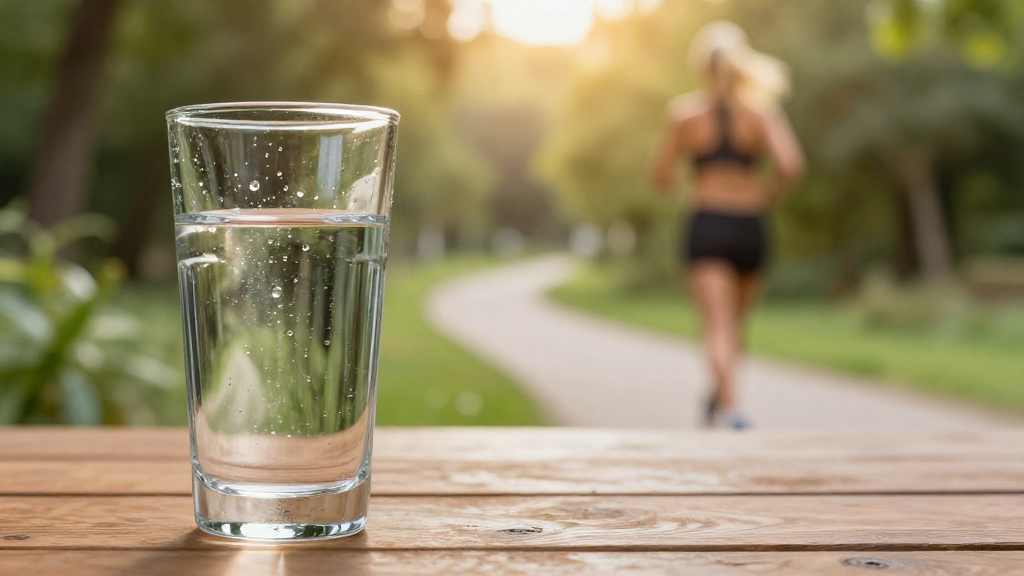
Fitness and water intake have a critical relationship that many people overlook.
Proper hydration not only ensures optimal body function but also enhances physical performance, recovery, and overall health.
Understanding how hydration impacts your fitness journey can help optimize workouts and boost results.
What Is the Role of Water in the Body?
Water serves multiple important functions in the human body, particularly when it comes to fitness and water intake.
Here are some key roles of water:
-
Temperature Regulation:
Water helps regulate body temperature, which is crucial during physical activity. -
Nutrient Transport:
It facilitates the transportation of essential nutrients and oxygen to cells, promoting better endurance and performance. -
Joint Lubrication:
Adequate hydration ensures that joints remain lubricated, helping to prevent injuries during workouts. -
Waste Removal:
Water aids in flushing out toxins and metabolic waste, supporting recovery after intense activities. -
Muscle Function:
Muscle contractions depend on proper hydration; dehydration can lead to cramps and decreased strength.
How Do I Know How Much Water to Drink?
Determining your ideal water intake can depend on various factors, including activity level, climate, and personal health.
For fitness enthusiasts, hydration needs can differ significantly.
General Guidelines for Hydration
-
Daily Recommendations:
– Adult men generally require about 3.7 liters (or 13 cups) of total water daily.
– Adult women need around 2.7 liters (or 9 cups) of total water. -
Activity Level:
– Before Exercise: Drink at least 17-20 ounces of water 2 hours before working out.
– During Exercise: Aim for 7-10 ounces of water every 10-20 minutes during a workout.
– After Exercise: Rehydrate with 16-24 ounces of water for every pound lost during your workout. -
Listen to Your Body:
– Thirst is often a sign that your body needs more water.
– Monitoring the color of your urine can also help; a pale yellow implies good hydration, while dark yellow suggests a need for more fluids.
How Does Water Intake Impact Physical Performance?
Fitness and water intake are directly correlated with various aspects of athletic performance.
Here’s how adequate hydration can enhance your workouts:
-
Improved Endurance:
Staying hydrated prevents fatigue and keeps your energy levels high. -
Enhanced Strength:
Well-hydrated muscles can contract more effectively, which is crucial for strength training and high-intensity workouts. -
Better Recovery:
Post-exercise hydration helps reduce muscle soreness and speeds recovery, ensuring you’re ready for your next workout.
What Are the Effects of Dehydration on Fitness?
Dehydration can have detrimental effects on your fitness, leading to several complications, such as:
-
Decreased Physical Performance:
Even a loss of 1-2% of body weight due to dehydration can lead to reduced performance. -
Increased Risk of Injury:
Poor hydration can result in muscle cramps, strains, and sprains. -
Impaired Cognitive Function:
Dehydration can also affect focus, coordination, and decision-making, impacting workout quality. -
Heat-Related Illnesses:
When exercising in hot conditions without adequate hydration, you risk heat exhaustion or heat stroke.
Do Different Activities Require Different Water Intake?
Absolutely! Different fitness activities will have varying hydration needs.
Here’s a breakdown of hydration guidelines based on specific activities:
Aerobic Exercises (Running, Cycling)
- Water Needs:
These activities can lead to significant fluid loss through sweat.
Aim for 16-24 ounces of water for every hour of vigorous aerobic activity.
Strength Training
- Water Needs:
Hydration is essential during resistance training sessions.
Drink water before and during your session, typically around 7-10 ounces every 15 minutes.
High-Intensity Interval Training (HIIT)
- Water Needs:
HIIT can dehydrate you quickly due to intensive bursts of energy expenditure.
Have water readily available and consume approximately 10 ounces between intervals.
Yoga or Pilates
- Water Needs:
Although these may seem low-intensity, hydrated muscles are better at stretching.
Keep your water intake regular throughout the day to support flexibility.
How Can I Monitor My Water Intake for Fitness?
Keeping track of your hydration levels is easier than you might think. Here are some practical tips:
-
Use Water Tracking Apps:
Several apps help track daily water intake and send reminders. -
Set Daily Goals:
Set a daily water goal based on your body weight and activity level. -
Carry a Reusable Water Bottle:
Keeping a water bottle nearby encourages you to sip throughout the day. -
Incorporate Hydrating Foods:
Fruits and vegetables, such as watermelon, cucumbers, and oranges, can also contribute to your daily fluid intake.
What Are the Best Hydration Strategies for Fitness?
Incorporating effective hydration strategies can enhance your fitness and water intake. Here are some strategies to consider:
-
Pre-hydrate Before Workouts:
Ensuring adequate hydration before workouts prepares the body for exertion. -
Electrolyte-Rich Drinks Post-Exercise:
After workouts, consider drinks with electrolytes to replenish lost minerals. -
Incorporate Water-Rich Snacks:
Snacks like smoothies, salads, and broth-based soups can contribute significantly to your daily intake. -
Customize Your Water Intake Based on Environment:
In hot or humid conditions, increase your water intake to compensate for increased sweat loss.
Conclusion: How Important Is Water Intake for Your Fitness Routine?
In summary, the link between fitness and water intake is undeniable.
Adequate hydration is crucial for optimizing performance, ensuring quick recovery, and maintaining overall health.
By paying attention to your body’s hydration signals and adjusting your fluid intake according to your fitness activities, you can boost your performance and achieve your fitness goals effectively.
Incorporate these hydration strategies and discover the noticeable improvements in your workouts, recovery, and overall well-being.
Stay hydrated and let water be your best workout partner!