Cold-weather runs are easier when your core stays warm without restricting your stride. The best running vests for cold weather balance insulation, breathability, weather protection, and a comfortable fit over your running layers.
Our roundup includes insulated and down styles, fleece-lined designs, hooded options, and lightweight packable vests for different temperatures, training goals, and budgets.
Best 10 Running Vest for Cold Weather Picks for 2026
Best All-Weather Utility

- Fleece-lined and designed for cold weather
- Waterproof, breathable, and windproof shell
- Five pockets plus removable hood
Best For: Layering, outdoor work, and weather-variable runs
Best Visibility-Focused Insulation
Brooks Run Visible Insulated Vest

- Insulated for extreme cold
- Water-resistant 100% nylon fabric
- Fluorescence-standard Fluoro Flash color
Best For: Cold-weather runs where warmth and visibility matter
Best Fleece Layer
Women's Water-Resistant Running Jacket

- Fleece-lined 240g stretch fabric
- Designed for approximately 40–60°F weather
- Five pockets and reflective details
Best For: Cool-weather training when full arm coverage is preferred
Best Premium Down Warmth
Nike Therma-FIT ADV AeroLoft Vest

- Down, feather, and synthetic insulation
- Water-repellent fabric with heat-regulating technology
- Zippered pockets and reflective elements
Best For: Cold runs needing substantial insulated core warmth
Packable Everyday Layer
Lightweight Water-Resistant Puffer Vest

- Insulated, quilted, water-resistant shell
- Packs into the included carrying bag
- Zip pockets and stand collar
Best For: Packable everyday layering and brisk-weather runs
Trail-Ready Performance Pick
Nike Trail PrimaLoft Running Vest

- Therma-FIT heat management
- Water-resistant PrimaLoft insulation
- Durable water-repellent woven shell
Best For: Cold-weather forest and mountain runs
Soft Cold-Weather Comfort
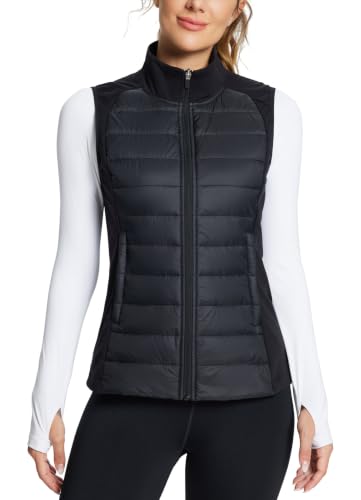
- Light cotton insulation for 20°F–60°F
- Soft, noiseless stretch side panels
- Water-resistant shell with zip pockets
Best For: Comfortable winter runs and versatile layering
Lightweight Warmth
baleaf Women's Winter Running Vest

- Lightweight Sorona insulation
- Water-resistant hooded design
- Stretch panels and four pockets
Best For: Lightweight winter layering and chilly outdoor runs
Extended Coverage
baleaf Women's Long Puffer Running Vest

- 29-inch hip-covering length
- Light insulation for 50–63°F
- Stretch panels and four pockets
Best For: Cool-weather runs, commuting, and everyday layering
Windproof Hybrid Layer
MoFiz Women's Hooded Puffer Vest

- Windproof hooded construction
- Lightweight hybrid insulation
- Four pockets for essentials
Best For: Windy runs, hiking, cycling, and active layering
Best All-Weather Utility – Women's Hooded Softshell Vest
If you want a running vest for cold weather that also works for outdoor chores and travel, this women’s softshell option combines a fleece lining with windproof and water-resistant protection. Its sleeveless design and stretch shell allow layering without restricting movement.
Best For: Runners and outdoor users who want warmth, weather protection, a removable hood, and generous storage.
Pros:
- Fleece lining adds warmth for chilly spring, fall, and winter conditions.
- Waterproof, breathable, windproof shell helps block changing weather.
- Five utility pockets, including a chest pocket with media port, hold essentials securely.
- Removable hood, adjustable hem, and elastic cuffs support a customizable fit.
Cons:
- The relaxed fit may feel less streamlined than a dedicated running layer.
- It is lightweight, so layering may be needed in severe cold.
This is a versatile choice when pocket capacity and weather coverage matter as much as running performance. The removable hood and flexible shell make it especially useful for mixed outdoor activities.
Best Visibility-Focused Insulation – Brooks Run Visible Insulated Vest
The Brooks Run Visible Insulated Vest is a focused running vest for cold weather, pairing GO2 warm thermal fabric and insulation with a fitted, sleeveless design. Its water-resistant construction adds protection for damp conditions, while the Fluoro Flash orange color is designed to meet fluorescence standards.
Best For: Cold-weather runners who prioritize insulation, a fitted profile, and high-visibility color.
Pros:
- Thermal fabric and insulation are made for extreme cold.
- Water-resistant nylon shell helps handle wet conditions.
- Fitted silhouette is suited to active running use.
- Fluoro Flash color supports visibility in low-light conditions.
Cons:
- Only two pockets provide less storage than utility-style vests.
- The vest is medium weight and may require careful layering during hard efforts.
Choose this vest when warmth and visibility are higher priorities than maximum pocket space. Its running-specific fit and insulated construction make it a practical option for colder outings.
Best Fleece Layer – Women's Water-Resistant Running Jacket
Although it has long sleeves rather than a vest cut, this baleaf fleece jacket is a useful alternative for anyone comparing a running vest for cold weather with fuller coverage. Its 240g stretch fabric, fleece interior, and water-resistant finish suit cool-weather training in roughly the 40–60°F range.
Best For: Runners who want full arm coverage, fleece warmth, stretch, and storage for cool-weather training.
Pros:
- Soft fleece interior provides sustained warmth and comfort.
- Four-way stretch fabric supports movement during workouts.
- Thumbholes and a high collar help reduce wind chill.
- Five pockets and reflective elements add practicality and visibility.
Cons:
- Long sleeves make it less suitable than a true vest for warm-weather layering.
- Water resistance is intended for light rain for a short time.
This jacket makes the most sense when cold arms and wind chill are concerns. Hidden underarm mesh vents and a full zipper help manage heat during changing-intensity workouts.
Best Premium Down Warmth – Nike Therma-FIT ADV AeroLoft Vest
For runners seeking a running vest for cold weather with lightweight insulation, the Nike Therma-FIT ADV Repel AeroLoft combines down and feather insulation with synthetic insulation at the sides. Its water-repellent woven fabric, mock neck, and adjustable full-length zipper support warmth without eliminating ventilation options.
Best For: Runners who want insulated core warmth, water repellency, and secure storage in a technical Nike design.
Pros:
- Down and feather insulation provide warmth, with synthetic insulation on the sides.
- Therma-FIT ADV technology is designed for cold-weather heat regulation.
- Water-repellent fabric helps protect against wet weather.
- Zippered pockets, reflective elements, and a mock neck add running-ready features.
Cons:
- At 1.1 pounds, it is heavier than some lightweight running layers.
- The supplied details do not specify a hood or pocket count.
This is a strong option for cold runs when insulated core protection is the priority. The side synthetic insulation and full zipper offer a practical balance between warmth and mid-run adjustability.
Packable Everyday Layer – Lightweight Water-Resistant Puffer Vest
Amazon Essentials Women's Lightweight Water-Resistant Packable Puffer Vest Outerwear, -black, Small
Check Price On AmazonIf you want a running vest for cold weather that is easy to carry between outings, this Amazon Essentials puffer combines lightweight insulation with a water-resistant shell. Its quilted design, zip pockets, and included carrying bag make it practical for brisk runs, commutes, and layering.
Best For: Runners who want a packable insulated layer for cool-to-cold conditions and everyday wear.
Pros:
- Water-resistant, quilted, and insulated construction
- Lightweight design packs into the included carrying bag
- Zip pockets and stand collar add practical coverage
- Regular fit works over a long-sleeve shirt or sweater
Cons:
- Designed as a general-purpose puffer rather than a dedicated technical running vest
- Warmth and comfort may vary depending on the chosen colorway and layering
This is a versatile option when packability and casual layering matter as much as run-day warmth. It is especially useful for runners who want one vest that also works for daily winter outfits.
Trail-Ready Performance Pick – Nike Trail PrimaLoft Running Vest
Nike Trail PrimaLoft® Men's Therma-FIT Running Vest (Black/Summit White, FZ0001-010) Size Small
Check Price On AmazonFor a running vest for cold weather built around trail use, the Nike Trail PrimaLoft vest combines Therma-FIT heat management with water-resistant PrimaLoft Thermoplume insulation. The durable woven shell and water-repellent finish suit changing conditions on forest and mountain runs.
Best For: Trail runners seeking lightweight warmth and weather resistance for dynamic cold-weather outings.
Pros:
- Therma-FIT technology helps manage body heat in cold conditions
- PrimaLoft Thermoplume insulation resists water and retains heat
- Durable woven shell has a water-repellent finish
- Designed for both quick forest jogs and longer mountain runs
Cons:
- Listed size is Small, so fit availability may be limited
- Specific pocket and storage features are not provided in the supplied details
This is the most purpose-built running option in the group. Its trail-oriented construction and synthetic insulation make it a strong choice when cold, moisture, and changing terrain are central concerns.
Soft Cold-Weather Comfort – Lightweight Warm Puffer Vest
This baleaf vest is a practical running vest for cold weather when soft materials, light insulation, and morning moisture protection are priorities. Its cotton-filled body is rated for 20°F to 60°F, while the nylon front and back help resist dew during outdoor activities.
Best For: Runners who want a soft, lightweight puffer for winter training, layering, and outdoor activities.
Pros:
- Light cotton filling provides warmth without a heavy feel
- Soft, noiseless collar and side panels improve comfort
- Water-resistant nylon helps limit dew intrusion
- Two zip pockets help secure valuables during activity
Cons:
- The supplied details do not specify a water-repellent finish for the entire garment
- Puffer styling may be less streamlined than a dedicated technical running layer
With its soft stretch side panels, regular fit, and flexible layering use, this vest balances comfort and warmth well. It can function as a running layer, an under-layer beneath a coat, or a casual winter vest.
Lightweight Warmth – baleaf Women's Winter Running Vest
If you want a running vest for cold weather that adds warmth without a bulky feel, this baleaf hooded vest is a practical layering option. Its lightweight Sorona insulation, fleece lining, water-resistant shell, and stretchy side panels are suited to active winter use.
Best For: Runners who want a lightweight, hooded midlayer for chilly, damp conditions.
Pros:
- Sorona insulation helps retain warmth with less weight and bulk.
- Water-resistant shell and hood provide added protection from light rain and snow.
- Four pockets include zippered storage for a phone and other essentials.
- Stretch side panels and elastic armholes support comfortable movement.
Cons:
- The slim fit may require sizing up when worn over thicker layers.
- It is water resistant rather than fully waterproof.
At 250 g in size S, this vest is especially appealing when you need warmth for running without sacrificing mobility. The hood and storage make it more versatile for everyday outdoor wear, while the slim cut works well as a midlayer.
Extended Coverage – baleaf Women's Long Puffer Running Vest
For a running vest for cold weather that covers beyond the hips, this long baleaf puffer provides a warmer, more protective silhouette. The 29-inch length helps block chilly wind while stretch panels support movement during light outdoor activity.
Best For: Runners and commuters who prefer extra hip coverage in mild-to-cool fall and winter weather.
Pros:
- Extended 29-inch length helps cover the hips and block chilly wind.
- Water-resistant exterior and light insulation suit 50–63°F weather.
- Stretch side panels, quilted construction, and elasticized cuffs allow mobility.
- Two zippered hand pockets and two interior pockets organize essentials.
Cons:
- Its lightweight insulation is intended for mild weather, not the coldest conditions.
- The longer cut may feel less streamlined for faster running.
This vest is a sensible choice when coverage matters more than ultralight performance. Its longer profile works well for cool-weather walks, errands, and easy runs, while the fleece-lined design adds everyday versatility.
Windproof Hybrid Layer – MoFiz Women's Hooded Puffer Vest
This MoFiz running vest for cold weather combines lightweight insulation with a windproof softshell-style design. An adjustable hood and hem help seal out drafts, while the hybrid construction is intended to preserve activity space without a bulky puffer feel.
Best For: Active users who need a wind-blocking hooded vest for running, hiking, cycling, and other outdoor activities.
Pros:
- Windproof construction, adjustable hood, and drawcord hem help block drafts.
- Hybrid design provides warmth while allowing room to move.
- Four pockets offer convenient storage for a phone, keys, wallet, and other items.
- Lightweight 340 g design works as a midlayer or outer layer.
Cons:
- The fabric has no stretch, according to the supplied details.
- It is water repellent rather than fully waterproof.
- The straight fit may feel less shaped than a slim-fit running vest.
With its windproof protection and adjustable coverage, this vest is well suited to exposed routes and active layering. It can serve as a midlayer in colder conditions or a standalone layer when the weather is only mildly cool.
How We Picked the Best Running Vest for Cold Weather
We evaluated these vests by looking at the features that matter most during winter runs: insulation type, wind and water resistance, mobility, weight, layering compatibility, pocket design, and expected versatility. We also considered whether each style is better suited to easy road runs, high-output training, trail use, or casual wear.
Because cold-weather conditions vary widely, no single vest is ideal for every runner. A breathable softshell may work better for intense efforts, while a down or synthetic puffer can provide more warmth for slower runs and cold starts.
Quick Comparison
| Best For | Look For | Most Suitable Style |
|---|---|---|
| High-output running | Light insulation and breathability | Streamlined performance vest |
| Very cold conditions | Down or synthetic insulation | Insulated puffer vest |
| Wet or windy weather | Water-resistant shell and wind protection | Softshell or treated outer fabric |
| Layering flexibility | Packable construction and trim fit | Lightweight vest |
| Trail running | Low bulk and secure storage | Technical running vest |
Key Buying Factors for a Running Vest for Cold Weather
Insulation and Warmth
Down is lightweight and highly compressible, but synthetic insulation generally handles damp conditions more reliably. Fleece-lined vests add soft warmth and can be comfortable for moderate cold, while heavily insulated styles are better for low temperatures and slower-paced runs.
Weather Protection
Water-resistant fabric can help with light rain, snow, and road spray, but it is not the same as waterproof construction. For exposed routes, prioritize wind resistance, a high collar, adjustable hems, and a hood if those features will not interfere with visibility or layering.
Fit and Mobility
A running vest should sit close enough to reduce flapping but leave room for the base and mid layers you normally wear. Check the armholes, shoulder range, hem length, and zipper placement. A longer cut can improve coverage, while a shorter athletic cut may feel less restrictive during faster workouts.
Pockets and Packability
Secure zip pockets are useful for keys, a phone, gloves, or fuel. If you frequently warm up quickly or travel to races, a lightweight packable design may be more practical than a bulky vest, even if it offers slightly less insulation.
Who Should Buy Which Running Vest for Cold Weather?
Choose a lightweight performance vest if you run hard, overheat easily, or need a flexible mid-layer. Pick a fleece-lined or softshell option for everyday winter training and variable weather. A synthetic insulated vest is a dependable choice for damp, cold conditions, while a down or heavily insulated design makes sense for very cold starts and low-intensity outings. If you want one versatile layer for running and casual wear, prioritize a water-resistant, packable puffer with a comfortable trim fit.