The best wide toe box hiking shoes give your toes room to spread without sacrificing grip, protection, or dependable support on uneven ground. This roundup compares 10 options spanning traditional hiking shoes, waterproof boots, trail runners, and zero-drop minimalist designs.
Use the guide below to match your foot shape, hiking conditions, and preferred level of cushioning with the right pair for day hikes, travel, gym sessions, and technical trails.
Best 10 Wide Toe Box Hiking Shoes Picks for 2026
Trail-Tested Classic

- Leather-and-mesh upper with protective toe cap
- Removable contoured insole with moderate support
- All-terrain rubber grip; not water resistant
Best For: Day hikers wanting traditional support and trail protection
Minimalist Ankle Boot

- Wide-width, round-toe minimalist design
- Flexible, non-slip rubber sole
- Lightweight but not waterproof
Best For: Casual walking in mild, dry conditions
Weather-Ready Wide Fit
NORTIV 8 Waterproof Hiking Shoes

- Roomy toe box with 5mm low drop
- Waterproof membrane and reinforced protection
- 4mm-lug outsole for trails and urban use
Best For: All-weather hiking, travel, and everyday walking
Zero-Drop Trail Boot
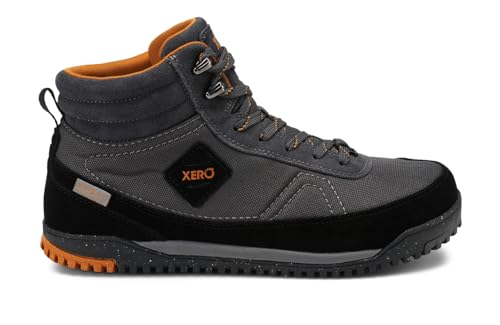
- Wide toe box and zero-drop geometry
- Waterproof build with flexible sole
- Dual-chevron lugs for trail traction
Best For: Minimalist hikers seeking waterproof natural movement
Best Breathable Pick
NORTIV 8 Wide Toe Box Trail Shoes

- Roomy forefoot supports natural toe spread
- Breathable mesh upper helps manage sweat
- 4mm lugs provide versatile trail traction
Best For: Breathable trail walks and city-to-trail use
Best Waterproof Pick
NORTIV 8 Wide Toe Box Hiking Shoes

- Roomy toe box reduces forefoot pressure
- Up to four hours of tested waterproof protection
- 5mm lugs support wet and muddy trail grip
Best For: Wet-weather hikes and long walks
Best Everyday Trail Option
NORTIV 8 Black Wide Toe Box Shoes

- Wide forefoot supports natural toe movement
- Breathable mesh suits active daily wear
- Rubber lugs handle trails and pavement
Best For: Dry-condition walking, workouts, and light trails
Orthopedic Trail Support

- Roomy toe box with built-in arch support
- Rocker midsole cushions walks and hikes
- High-top design and lugged outsole add support and grip
Best For: Hikers needing structured comfort for foot, heel, or ankle concerns
Versatile Minimalist Pick

- Wide toe box encourages natural toe spread
- Zero-drop platform supports a grounded stance
- Lugged outsole works across trails and training
Best For: Minimalist footwear users who hike, train, and walk in one shoe
Rugged Barefoot Trail Option
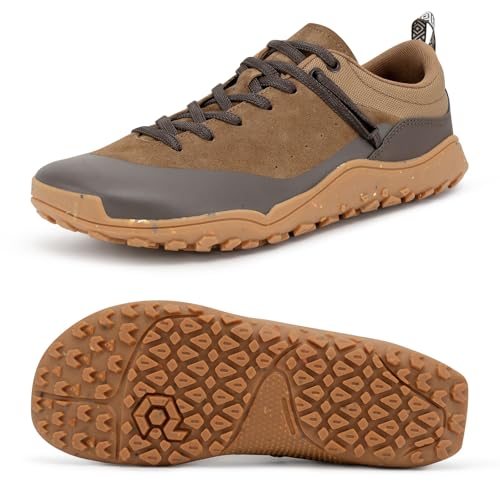
- Wide toe box and zero-drop platform support natural movement
- Deep-lug outsole grips wet and uneven terrain
- Protective overlays reinforce the toe and sides
Best For: Minimalist hikers and gym users tackling rugged terrain
Trail-Tested Classic – Merrell Moab 3
The Merrell Men’s Moab 3 is a practical option for shoppers seeking wide toe box hiking shoes with a traditional leather-and-mesh build. Its removable contoured insole, moderate cushioning, and all-terrain rubber outsole suit established trails and everyday outdoor use.
Best For: Day hikers who want moderate support, a protective toe cap, and a familiar lace-up hiking-shoe design.
Pros:
- Pigskin leather and mesh upper balances durability and breathability.
- Protective toe cap and bellows tongue help shield feet from trail debris.
- Removable Kinetic Fit ADVANCED insole provides contoured medium support.
- Rubber outsole is designed for all-terrain grip.
Cons:
- It is not water resistant, so it is less suitable for wet conditions.
- Traditional construction may feel less flexible than minimalist hiking shoes.
Choose the Moab 3 if moderate cushioning and classic trail-shoe protection matter more than waterproofing or a barefoot-style platform.
Minimalist Ankle Boot – HOBIBEAR Barefoot Boots
These HOBIBEAR barefoot boots are a simple choice for shoppers comparing wide toe box hiking shoes and minimalist walking footwear. The unisex mid-top design uses a flexible, non-slip rubber sole and low-heel profile for casual outdoor movement.
Best For: Casual walkers who prioritize a flexible, low-heel boot with a round toe and lightweight feel.
Pros:
- Barefoot-inspired design includes a wide-width profile and low heel.
- Flexible, non-slip sole supports everyday walking.
- Lace-up closure allows an adjustable fit around the ankle.
- Lightweight listed weight of 100 g.
Cons:
- The faux-leather construction is not waterproof.
- Product notes do not specify hiking traction features or cushioning details.
The HOBIBEAR is best viewed as a lightweight minimalist walking boot for mild conditions rather than a fully featured waterproof trail shoe.
Weather-Ready Wide Fit – NORTIV 8 Waterproof Hiking Shoes
The NORTIV 8 Men’s Waterproof Wide Toe Box Hiking Shoes combine a roomy toe box with a 5mm low-drop platform. For shoppers seeking wide toe box hiking shoes that can handle changing weather, the waterproof membrane, reinforced upper, and lugged outsole make this a versatile trail-to-city option.
Best For: Hikers, travelers, and daily walkers who want a wide toe box, waterproof protection, and moderate cushioning.
Pros:
- Roomy toe box allows toes to spread naturally.
- Waterproof membrane helps protect feet in changing conditions.
- Reinforced TPU toe and heel add abrasion and impact protection.
- 4mm lugs and segmented heel support traction across trails and urban surfaces.
Cons:
- The 5mm low-drop design is not a fully zero-drop platform.
- Moderate cushioning may not suit shoppers seeking either maximum plushness or a very thin barefoot sole.
This model offers one of the more balanced feature sets in the group, pairing a wide toe box and low-drop geometry with waterproofing and everyday versatility.
Zero-Drop Trail Boot – Xero Shoes Ridgeway
The Xero Shoes Men’s Ridgeway is designed for shoppers who want wide toe box hiking shoes with a true minimalist feel. Its wide toe box, zero-drop platform, flexible low-to-the-ground sole, waterproof construction, and dual-chevron lugs target natural movement on trails and beyond.
Best For: Minimalist hikers who want natural toe splay, zero drop, waterproofing, and flexible trail traction.
Pros:
- Wide toe box supports natural toe splay.
- Zero-drop design and flexible sole promote a low-to-the-ground feel.
- Waterproof construction suits wet-weather use.
- Dual-chevron lugs provide traction on trails and beyond.
Cons:
- Minimalist geometry may require adjustment for shoppers accustomed to traditional hiking shoes.
- The canvas outer material may not appeal to those seeking a leather upper.
The Ridgeway stands out for combining waterproof protection with zero-drop, barefoot-inspired movement, making it the strongest fit here for experienced minimalist footwear users.
Best Breathable Pick – NORTIV 8 Wide Toe Box Trail Shoes
For shoppers comparing wide toe box hiking shoes, these NORTIV 8 trail shoes prioritize toe splay, airflow, and lightweight cushioning. The jacquard mesh upper helps manage sweat, while the EVA midsole and 4mm-lug rubber outsole support comfortable movement on trails and pavement.
Best For: Trail walks, city-to-trail use, and workouts where breathability and a roomy forefoot matter.
Pros:
- Roomy toe box supports natural toe spread and alignment.
- Breathable jacquard mesh helps keep feet dry.
- Arch-support insole and EVA midsole provide moderate cushioning.
- 4mm rubber lugs offer grip with reduced mud buildup.
Cons:
- Not water resistant, so it is less suitable for wet conditions.
- Moderate cushioning may not meet the needs of shoppers wanting maximum softness.
This is a practical lightweight option when ventilation and versatile traction are more important than waterproof protection. Its neutral support and moderate cushioning suit everyday trail and walking use.
Best Waterproof Pick – NORTIV 8 Wide Toe Box Hiking Shoes
These wide toe box hiking shoes combine a roomier forefoot with weather protection for changing trail conditions. The leather-and-mesh upper is tested for up to four hours of waterproof protection, while the low-drop EVA midsole and 5mm lugs support steady, cushioned steps.
Best For: Wet-weather hikes, muddy paths, travel, and long periods of walking when dryness and stability are priorities.
Pros:
- Wide toe box helps reduce pressure and support natural alignment.
- Tested waterproof upper protects against rain, mud, and wet trails for up to four hours.
- Lightweight EVA midsole provides cushioning with responsive bounce.
- Rubber outsole with 4mm lugs delivers traction without trapping mud.
Cons:
- The brand recommends going up half a size for a roomier fit.
- Waterproof protection is specified for up to four hours, not unlimited exposure.
This is the strongest choice in the group for shoppers who want a roomy toe box without giving up wet-weather coverage. The leather adds structure, while mesh sections help maintain airflow.
Best Everyday Trail Option – NORTIV 8 Black Wide Toe Box Shoes
If you want wide toe box hiking shoes that can also handle everyday walking, this black NORTIV 8 trail model offers a flexible mix of comfort and traction. Its roomy forefoot, breathable jacquard mesh, foam cushioning, and neutral support make it suited to light trail and active daily use.
Best For: Everyday walking, trail running, gym sessions, and shoppers who prefer a versatile black athletic shoe.
Pros:
- Wide toe box allows toes to spread while supporting alignment.
- Jacquard mesh upper promotes airflow during activity.
- Lightweight foam and EVA construction provide moderate cushioning.
- Grippy 4mm rubber lugs transition from trails to pavement.
Cons:
- Not water resistant for rainy or wet trail conditions.
- Moderate cushioning may feel limited for those seeking a highly cushioned shoe.
The black color and low-top athletic design make this a straightforward everyday option. Choose it for dry conditions and mixed walking surfaces, rather than for wet-weather hiking.
Orthopedic Trail Support – Wide Toe Box Hiking Boots
For hikers who want wide toe box hiking shoes with more structure, these OrthoComfoot boots combine a roomy forefoot with built-in arch cushioning and a supportive high-top ankle. The water-resistant upper, rocker midsole, and lugged outsole make them suited to damp trails and everyday outdoor walking.
Best For: Hikers seeking supportive footwear for plantar fasciitis, flat feet, or ankle stability.
Pros:
- Roomy wide toe box helps reduce toe squeezing.
- Built-in arch support and a shock-absorbing rocker midsole address comfort on longer walks.
- Deep-lug rubber outsole provides traction on mud, rock, and wet ground.
- High-top ankle design, pull tabs, and metal lace hooks add practical trail support.
Cons:
- The higher, structured boot design may feel less flexible than minimalist footwear.
- The upper is described as water-resistant or water-repellent for light rain, rather than a guarantee for prolonged wet conditions.
This is the most support-focused option in the group. Choose it when cushioning, arch support, and ankle coverage matter more than a lightweight barefoot feel.
Versatile Minimalist Pick – Zero-Drop Wide Toe Box Shoes
These wide toe box hiking shoes take a minimalist approach, giving the toes room to spread while using a zero-drop sole for a more level, grounded platform. A flexible build, removable insoles, and lugged rubber traction make them adaptable for hiking, training, walking, and other everyday activities.
Best For: Users who want one lightweight-feeling shoe for hiking, gym workouts, walking, and casual outdoor wear.
Pros:
- Wide toe box supports natural toe spread and reduces forefoot pressure.
- Zero-drop construction promotes a stable, level stance.
- Lugged anti-slip outsole is designed for dirt, mud, gravel, roots, and rock.
- Removable insoles and a flexible, breathable mesh upper add versatility.
Cons:
- Minimal or moderate cushioning may not suit shoppers wanting plush impact absorption.
- Zero-drop shoes can require adjustment for people accustomed to traditional heel-to-toe footwear.
Consider this pair when natural movement and cross-activity versatility are priorities. It offers less built-in cushioning than the orthopedic boot, but a more flexible minimalist experience.
Rugged Barefoot Trail Option – Zero-Drop Hiking Shoes
For wide toe box hiking shoes with a more trail-oriented build, the FEFELUIS Arrow04 pairs a flat zero-drop platform with a deep-lug rubber sole and protective toe-and-side overlays. Its suede upper is intended to balance lightweight breathability with added defense against scrapes on rocky routes.
Best For: Hikers and gym users who prefer minimal cushioning, natural foot movement, and extra protection on rugged terrain.
Pros:
- True wide toe box and zero-drop sole support natural toe splay and a level stance.
- Deep lugs provide traction on mud, dirt, wet surfaces, and rocky trails.
- Rubber toe and side protection helps guard against trail scrapes and impacts.
- Lightweight, minimal-cushion design also suits weightlifting and cross-training.
Cons:
- Minimal cushioning may feel firm on long hikes or for shoppers used to cushioned boots.
- The water-resistant rating does not indicate full waterproof protection.
- Its barefoot-style design offers less arch cushioning than the orthopedic option.
This is the stronger choice for rugged, low-to-the-ground use when outsole grip and protective overlays matter. Pick the orthopedic boot instead if you primarily need pronounced arch support and cushioning.
How We Picked These Wide Toe Box Hiking Shoes
We focused on shoes and boots that prioritize forefoot room, practical trail traction, and comfort over varied terrain. The selection includes conventional hiking footwear with cushioning and structure, waterproof models for wet conditions, and minimalist options with zero-drop platforms and flexible soles. We also considered useful differences in ankle coverage, outsole depth, fit adjustability, arch support, and intended activity.
Because “wide” can mean different things across brands, check each manufacturer’s measurements and return policy before ordering. A naturally foot-shaped toe box may feel roomy without matching a traditional extra-wide size.
Quick Comparison
| Best For | Look For | Most Suitable Styles |
|---|---|---|
| Everyday hiking | Cushioning, stable midsoles, durable uppers | Traditional hiking shoes |
| Wet trails | Waterproof membranes, sealed construction, deep lugs | Waterproof hiking shoes and boots |
| Fast hiking | Low weight, flexible forefoot, secure heel hold | Trail running shoes |
| Minimalist movement | Zero drop, thin flexible soles, broad toe splay | Barefoot shoes and boots |
| Foot-support needs | Removable insoles, structured arch support, ample depth | Orthopedic-style hiking footwear |
Key Buying Factors for Wide Toe Box Hiking Shoes
Toe-Box Shape and Overall Fit
Your toes should spread naturally without pressing against the sides or front. Make sure the heel stays secure while descending, and leave roughly a thumb’s width in front of your longest toe. Extra volume may be as important as width if you have a high instep or use orthotics.
Traction and Terrain
Look for deeper, widely spaced lugs for mud, loose dirt, and steep trails. Shallower patterns can feel smoother and lighter on packed paths but may provide less braking power on wet or rocky terrain.
Waterproofing Versus Breathability
Waterproof shoes are useful in rain, damp grass, and shallow puddles, but they can feel warmer and dry more slowly after soaking. For hot-weather hiking, a breathable non-waterproof upper may be the better choice.
Cushioning, Support, and Drop
Traditional midsoles offer more impact protection and guidance for long hikes, while zero-drop minimalist footwear encourages a flatter stance and greater ground feel. Transition gradually if you are new to barefoot-style shoes, especially on rocky trails.
Durability and Adjustability
Reinforced toe caps, abrasion-resistant uppers, sturdy eyelets, and secure lacing help shoes handle repeated trail use. Removable footbeds are valuable when you need custom orthotics or extra interior volume.
Who Should Buy Which Wide Toe Box Hiking Shoes?
Choose the Merrell Moab 3 or a structured NORTIV 8 model if you want familiar hiking-shoe cushioning, protection, and stability. Waterproof NORTIV 8 options are better suited to wet-weather walkers who prioritize coverage over maximum breathability.
Trail runners are a practical pick for hikers who move quickly, prefer a lighter shoe, or split time between trails and everyday wear. The Xero Ridgeway and other barefoot designs suit experienced minimalist users who value flexibility, zero drop, and ground feel.
If plantar fasciitis, flat feet, hammer toes, or a high instep influence your purchase, prioritize interior depth, removable insoles, and compatible arch support rather than choosing by toe-box width alone. Whichever style you select, test it with your hiking socks and walk on an incline before committing to a long trip.