The right socks can make a major difference during marathon training and race day. Fit, moisture control, cushioning, and seam placement all affect comfort over many miles.
We compare 10 running socks for marathon use, including blister-resistant, compression, quarter, crew, ankle, and no-show styles for different feet and preferences.
Best 10 Running Socks for Marathon Picks for 2026
Blister-Resistant Comfort
Balega Blister Resist Crew Socks
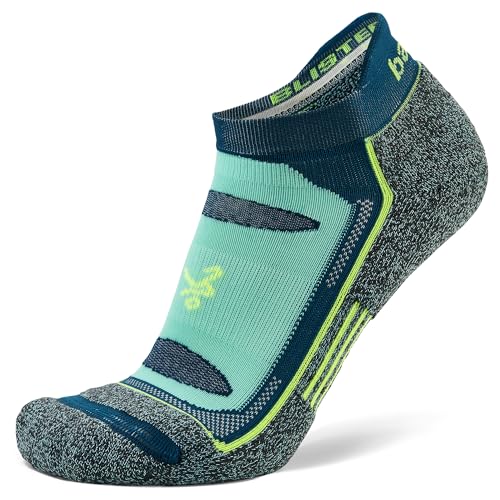
- Mohair and Drynamix help manage moisture and temperature
- Seamless toe box reduces friction
- Deep heel pocket helps prevent slipping
Best For: Long runs and blister-prone feet
Everyday Marathon Training Value
Danish Endurance Quarter Socks

- Quick-drying polypropylene construction
- Targeted cushioning and arch compression
- Available in three- and five-packs
Best For: Frequent training and daily mileage
Supportive Multipack Option
Crew Compression Running Socks

- Approximately 20 mmHg compression
- Arch support with cushioned heel and toe
- Breathable, moisture-wicking crew design
Best For: Runners wanting crew coverage and support
Everyday Comfort Pick
Saucony Women's RunDry Heel Tab Socks

- Padded heel tab helps limit chafing
- Arch compression supports a secure fit
- RunDry fabric wicks moisture
Best For: Training, gym sessions, and everyday running
Support-Focused Pick
Ankle Compression Running Socks

- 15–20 mmHg targeted compression
- Arch and ankle support zones
- Lightweight, breathable nylon-spandex fabric
Best For: Compression-focused training, travel, and recovery
Ventilated Crew Pick
Saucony Men's RunDry Mesh Socks
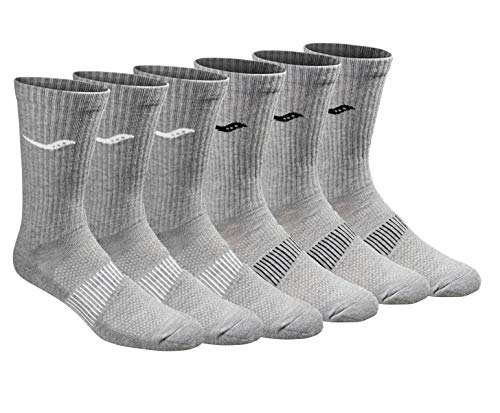
- Airmesh construction boosts airflow
- RunDry fabric manages moisture
- Arch compression supports stability
Best For: Runners wanting lightweight crew coverage and ventilation
Best Value Multi-Pack

- Six-pair bundle for easy rotation
- Cushioned, reinforced foot design
- Breathable low-cut fit for running
Best For: Budget-minded runners building a training sock rotation
Best Performance Fit
Balega Silver Compression No-Show Socks

- Compression arch support and deep heel pocket
- Moisture-wicking fabric with ventilation panels
- Seamless toe and protective heel tab
Best For: Runners seeking a secure, technical no-show fit
Best Women’s Training Pick

- Six-pair set with moderate cushioning
- Y-heel and arch strap help prevent slipping
- Mesh panels and padded ankle tab
Best For: Women wanting stable, cushioned socks for regular training
Blister-Resistant Comfort – Balega Blister Resist Crew Socks
Balega Blister Resist Performance Quarter Athletic Running Socks for Men and Women (1 Pair)
Check Price On AmazonFor runners seeking running socks for marathon training, the Balega Blister Resist is built around friction reduction, moisture management, and cushioned comfort. Its mohair and Drynamix blend, seamless toe box, and secure heel design make it a strong option for extended mileage.
Best For: Marathon training and long runs for runners prone to blisters or foot sensitivity.
Pros:
- Mohair and Drynamix fibers help regulate temperature and move moisture away from the skin.
- Seamless toe box helps reduce chafing and friction.
- High heel tab and deep heel pocket help prevent slipping.
- High-volume cushioning supports comfort during extended training.
Cons:
- Sold as a single pair rather than a multipack.
- Quarter-height coverage may not suit runners who prefer taller socks.
This is a comfort-focused choice for runners who prioritize blister prevention and a locked-in fit. The lightweight construction and cushioned mohair blend are particularly appealing for long-distance use.
Compression Endurance Pick – Rahhint Coolmax Running Socks
These Rahhint socks combine Coolmax moisture management, anti-slip yarn, cushioning, and 15–20 mmHg graduated compression for demanding training. They are a practical option when shopping for running socks for marathon distances and other high-intensity activities.
Best For: Marathon runners who want compression, arch support, and a secure anti-slip fit.
Pros:
- 50% Coolmax fiber is designed to move moisture away and dry quickly.
- 15–20 mmHg graduated compression supports the arches and calves.
- Anti-slip yarn, Achilles protection, and cushioning help limit movement and friction.
- 200-needle knitting and anti-pilling treatment support durability.
Cons:
- The compression fit may feel less relaxed than standard running socks.
- The product notes recommend sizing up for a more relaxed feel or when between sizes.
With its combination of compression and anti-slip construction, this set is geared toward runners who want structured support during long efforts. It also offers a three-pair format for regular training rotation.
Everyday Marathon Training Value – Danish Endurance Quarter Socks
The Danish Endurance quarter socks are designed for marathon training, race day, and daily mileage. Their polypropylene fabric dries quickly, while targeted cushioning, arch compression, and a seamless toe help provide a stable fit in running shoes.
Best For: Runners wanting lightweight quarter socks in a three- or five-pack for frequent training.
Pros:
- Hydrophobic polypropylene helps move sweat away and dry quickly.
- Targeted cushioning helps soften repeated impact.
- Arch compression and a seamless toe help keep the socks in place.
- Includes an anti-hole guarantee with replacement support for qualifying holes within the first year.
Cons:
- They are lightweight, so runners seeking heavily cushioned socks may prefer another design.
- Care instructions say not to tumble dry.
This is a straightforward multipack choice for runners who need reliable, quick-drying socks across many training days. The quarter height clears the shoe collar while helping reduce ankle rubbing.
Supportive Multipack Option – Crew Compression Running Socks
For runners comparing running socks for marathon training, this three-pair crew set offers approximately 20 mmHg compression, arch support, targeted cushioning, and breathable panels. The design emphasizes stability and moisture management for prolonged athletic wear.
Best For: Runners who prefer crew-length socks with compression and supportive arch construction.
Pros:
- Approximately 20 mmHg graduated compression is designed to support circulation and reduce fatigue.
- Arch support enhances stability during running, hiking, and other activities.
- Heel and toe cushioning provide impact protection.
- Seamless toe and breathable panels help reduce irritation and manage moisture.
Cons:
- Compression may not appeal to runners who prefer a looser fit.
- The listed sizing is divided by shoe size, so careful size selection is important.
This set makes sense for runners seeking structured support in a value-oriented three-pair format. Its crew height and high stretch may work well for those who want more coverage than quarter socks.
Everyday Comfort Pick – Saucony Women's RunDry Heel Tab Socks
Saucony Women's 8/16 Pairs Performance Heel Tab Athletic Socks, Assorted Light (8 Pairs), Medium
Check Price On AmazonFor runners seeking running socks for marathon training, these Saucony ankle socks combine a padded heel tab with arch compression for a secure, comfortable fit. RunDry moisture-wicking fabric helps manage sweat, while the lightweight construction suits workouts and everyday wear.
Best For: Runners who want cushioned heel-tab comfort and a versatile multi-pair supply for training, gym sessions, and daily use.
Pros:
- Padded heel tab helps reduce chafing.
- Arch compression adds stability and a snug fit.
- RunDry fabric helps wick moisture and regulate temperature.
- Available in 8-, 16-, and 24-pair options.
Cons:
- Low-cut design provides less coverage than crew socks.
- Fabric is not water resistant.
- Size availability varies by selected option.
This is a practical choice for runners who prioritize comfort, moisture management, and value. The heel tab is especially useful if rubbing is a recurring concern during longer runs.
Support-Focused Pick – Ankle Compression Running Socks
These ankle compression socks are a support-oriented option for runners comparing running socks for marathon training. Targeted compression zones, arch support, and a breathable nylon-spandex fabric are designed to support circulation, reduce fatigue, and manage sweat during athletic activity.
Best For: Runners who prefer moderate 15–20 mmHg compression and ankle-focused support for training, travel, or recovery.
Pros:
- 15–20 mmHg compression is designed for exercise and everyday wear.
- Progressive pressure zones provide all-around ankle and foot support.
- Breathable, lightweight fabric helps move sweat and moisture away.
- Six-pair package supports regular rotation.
Cons:
- Compression may feel firmer than standard running socks.
- Ankle/no-show height offers limited lower-leg coverage.
- Only two size ranges are listed.
This model makes sense for runners who specifically want compression rather than simple cushioning. Check the men’s or women’s size guidance carefully before ordering for a consistent fit.
Ventilated Crew Pick – Saucony Men's RunDry Mesh Socks
For runners who prefer more coverage, these Saucony crew socks offer a breathable option among running socks for marathon training. RunDry moisture management, arch support, and airmesh ventilation work together to help keep feet cooler and drier during runs and other activities.
Best For: Runners who want lightweight crew coverage, airflow, and arch support in a multi-pair package.
Pros:
- Airmesh ventilation promotes airflow around the foot.
- RunDry technology helps wick moisture and regulate temperature.
- Targeted arch compression supports a snug, stable fit.
- Available in large and extra-large sizes, including shoe sizes 13–15.
Cons:
- Crew height provides more coverage than low-cut styles, which may not suit every runner.
- The listed option contains six pairs rather than a larger bulk pack.
- Fabric is not water resistant.
This is a strong fit for runners who value ventilation and crew-length coverage. Its lightweight mesh construction is geared toward keeping feet comfortable during running and other active use.
Best Value Multi-Pack – Lapulas Cushioned Ankle Socks
For runners comparing running socks for marathon training, the Lapulas Athletic Running Ankle Socks offer a practical six-pair bundle with breathable mesh, cushioning, and reinforced heel support. Their low-cut profile works well with many running and athletic shoes.
Best For: Runners who want an affordable multi-pack for regular training, walking, and other active use.
Pros:
- Six-pair pack provides useful everyday rotation.
- Cushioned foot and reinforced heel help improve comfort and durability.
- Breathable, moisture-absorbing fabric helps keep feet cooler and drier.
- Available in four sizes and designed for men or women.
Cons:
- Low-cut design may provide less ankle coverage than ankle-length socks.
- The cotton-rich fabric may feel warmer than highly technical synthetic options.
Lapulas is a sensible value pick when quantity and cushioning matter most. It is less specialized than a compression performance sock, but the six-pair package suits consistent training and general athletic use.
Best Performance Fit – Balega Silver Compression No-Show Socks
The Balega Silver Compression Fit socks are a more performance-focused option for runners choosing running socks for marathon training. They combine arch-support compression bands, a deep heel pocket, moisture-wicking Drynamix fibers, and ventilation panels in a one-pair package.
Best For: Runners who prioritize a secure compression fit, moisture management, and low-profile no-show coverage.
Pros:
- Compression arch bands and a deep heel pocket support a secure fit.
- Drynamix fibers and mesh ventilation panels help manage moisture and heat.
- Seamless toe construction helps reduce irritation, while the heel tab helps limit slipping.
- Silver-ion fibers are designed to support a lasting hygienic foot environment.
Cons:
- Only one pair is included, so the cost per pair may be higher than multi-packs.
- Compression styling may not suit runners who prefer a relaxed sock fit.
This is the most technically focused choice of the three. Its secure compression fit and ventilation make it appealing for demanding runs, though runners wanting several pairs may prefer a multi-pack.
Best Women’s Training Pick – BERING Cushioned Ankle Socks
BERING Women's Athletic Running Cushioned Ankle Socks, Size 6-9, White, 6 Pairs
Check Price On AmazonThe BERING Women’s Athletic Running Cushioned Ankle Socks balance comfort, stability, and durability for runners evaluating running socks for marathon training. A shaped Y-heel, ribbed arch strap, padded tab, and breathable mesh panels help create a stable fit for repeated workouts.
Best For: Women who want a cushioned six-pair set for running, tennis, walking, and general training.
Pros:
- Y-heel creates a deeper heel pocket to help prevent sliding.
- Padded ankle tab helps protect against friction and blisters.
- Breathable mesh and moisture-wicking materials support cooler, drier feet.
- Reinforced toe and heel areas improve durability through repeated washing and workouts.
Cons:
- The ankle-length cut is more visible than a no-show style.
- Designed specifically for women, limiting its audience compared with unisex options.
- Cushioning may feel less minimal for runners who prefer lightweight socks.
BERING is a strong everyday training choice for runners who value a stay-put heel and moderate cushioning. It offers more coverage and structure than a no-show sock while retaining useful ventilation.
How We Picked the Best Running Socks for Marathons
We focused on features that matter during long-distance running: moisture-wicking fabric, secure fit, blister resistance, cushioning, breathability, and useful support. We also considered sock height, heel-tab design, compression levels, pack sizes, and whether each style is offered in practical men’s and women’s sizing.
Because foot shape and tolerance for cushioning vary, the list includes both lightweight and cushioned options rather than treating one construction as ideal for every runner. Product claims should be checked against current manufacturer specifications, especially for sizing and compression ratings.
Quick Comparison
| Best For | Look For |
|---|---|
| Blister prevention | Low-friction yarns, smooth seams, and a secure heel |
| Hot-weather races | Mesh ventilation and lightweight moisture-wicking fabric |
| Extra cushioning | Padded soles and reinforced heel and toe zones |
| Arch support | Elastic compression bands that stay comfortably snug |
| Race-day versatility | A familiar fit tested during training, not a new pair |
Key Buying Factors for Running Socks for Marathon
Fit and Sizing
Socks should hold the foot without bunching, sliding, or compressing the toes. Use the brand’s size chart and compare it with your shoe fit. A heel tab can help prevent rubbing at the collar, while no-show designs reduce bulk for runners who prefer low coverage.
Moisture Management and Breathability
Look for synthetic performance fibers, mesh panels, or Coolmax-style materials that move moisture away from the skin. Breathable construction is especially valuable in warm conditions, but it should not come at the expense of a stable fit.
Cushioning and Blister Control
More cushioning can reduce impact and protect sensitive areas, while lighter socks may feel cooler and leave more room in the shoe. If blisters are a concern, prioritize smooth seams, a secure heel, and fabric that does not retain excessive moisture.
Compression and Support
Compression socks can provide a snug feel around the arch and lower leg, but they are not automatically better for every runner. Confirm the compression level, check the sizing carefully, and test them on shorter runs before using them in a marathon.
Who Should Buy Which Running Socks for Marathon?
- Blister-prone runners: Choose a blister-focused design with a close, non-slipping fit and smooth construction.
- Runners who prefer extra support: Consider arch-support or 15–20 mmHg compression styles, provided the fit feels comfortable.
- Hot-weather marathoners: Prioritize ventilated mesh and quick-drying fibers.
- Runners who want everyday value: Multi-packs of quarter or ankle socks make sense for regular training.
- Runners who dislike bulky socks: Look for lightweight no-show or low-cut designs, but confirm they remain compatible with your shoe collar.
Whichever pair you choose, test it with your marathon shoes and preferred training distance before race day. Wash according to the care instructions and replace socks when the fabric loses its stretch, cushioning, or ability to stay in place.