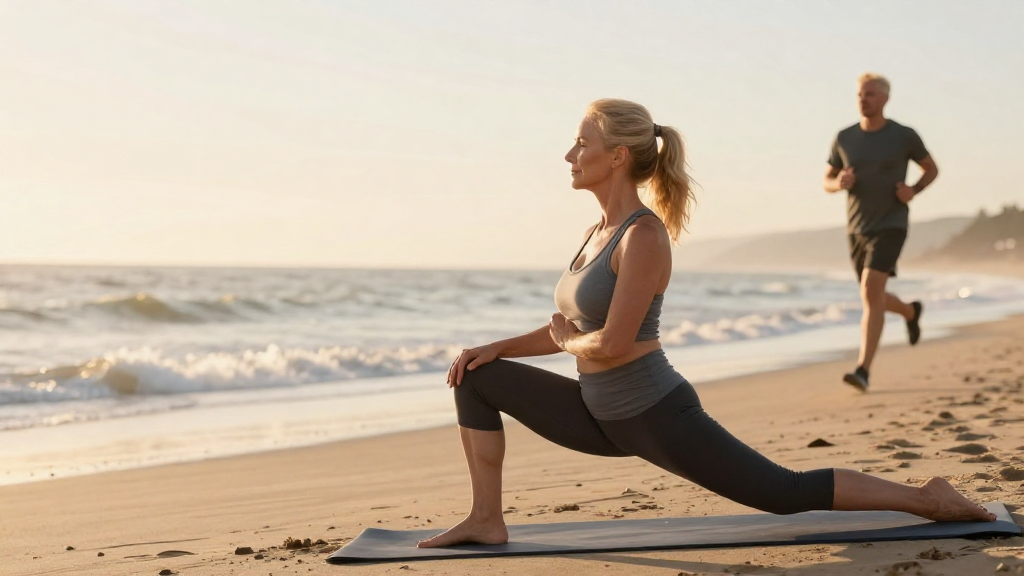
As individuals enter their 50s, adapting to changes in fitness is essential for maintaining health and vitality.
Why Is Fitness in Your 50s Important?
Maintaining fitness in your 50s is crucial for several reasons:
- Bone Density: This age marks the onset of bone density loss, making strength training vital.
- Metabolism Changes: A natural slowdown in metabolism means muscle mass is harder to maintain without proper exercise.
- Chronic Disease Prevention: Regular physical activity helps prevent conditions like heart disease, diabetes, and hypertension.
- Mental Health: Exercise is linked to improved mood, reduced anxiety and depression, and enhanced cognitive function.
Transitioning your fitness routine in your 50s not only helps combat these challenges but also fosters a more active and fulfilling lifestyle.
What Types of Exercises Should You Focus On?
As you consider adjustments to your fitness routine, incorporating various types of exercises is beneficial:
- Strength Training: Aim for at least two sessions per week. Focus on all major muscle groups with exercises like:
- Squats
- Push-ups
-
Dumbbell lifts
-
Cardiovascular Activities: Engage in aerobic exercises that elevate your heart rate and enhance endurance. Options include:
- Brisk walking
- Swimming
-
Cycling
-
Flexibility and Balance Exercises: These become increasingly important to prevent falls and maintain mobility. Consider:
- Yoga
- Pilates
- Tai Chi
Combining these elements will create a well-rounded routine that promotes overall wellness.
How Can You Adjust Your Nutrition for Better Fitness?
Alongside physical adaptations, modifying your nutritional habits can significantly impact your fitness in your 50s:
-
Prioritize Protein: As muscle mass declines, ensuring adequate protein intake is crucial. Sources include:
– Lean meats
– Low-fat dairy
– Plant-based proteins like beans and legumes -
Stay Hydrated: Drinking enough water supports joint health and overall body function.
-
Incorporate Healthy Fats: Focus on unsaturated fats found in:
– Avocados
– Nuts
– Olive oil -
Limit Processed Foods and Sugar: These can contribute to inflammation and weight gain.
A balanced diet complements your exercise routine and supports optimal health.
What Lifestyle Changes Can Enhance Your Fitness Journey?
To maximize your fitness journey in your 50s, consider implementing the following lifestyle changes:
-
Create a Consistent Schedule: Consistency is key. Plan workout days and times like appointments.
-
Set Realistic Goals: Define short-term and long-term fitness objectives to maintain motivation.
-
Prioritize Sleep: Quality rest is essential for recovery and overall well-being. Aim for 7-9 hours each night.
-
Manage Stress: Engage in activities that promote relaxation, such as meditation or hobbies. High stress can hinder physical fitness progress.
-
Listen to Your Body: Pay attention to aches and pains, and adjust your routine accordingly to avoid injuries.
How Can You Stay Motivated to Maintain Fitness in Your 50s?
Staying motivated can be a challenge, but several strategies can help:
-
Find a Workout Buddy: Exercising with a friend enhances accountability and makes workouts enjoyable.
-
Try New Activities: Keep your fitness routine exciting by exploring different classes or sports.
-
Track Your Progress: Use apps or journals to monitor your advancements in strength and endurance.
-
Celebrate Milestones: Reward yourself for achieving personal fitness goals to stay engaged in your journey.
-
Join a Community: Engaging with like-minded people in a gym or local fitness group can provide support and encouragement.
What Equipment Is Essential for Home Workouts?
If you prefer exercising at home, some equipment can enhance your fitness in your 50s:
-
Resistance Bands: Versatile and perfect for strength training.
-
Dumbbells: Adjustable weights allow you to progressively increase difficulty.
-
Yoga Mat: Essential for stability and comfort, especially during floor exercises.
-
Stability Ball: Improves balance and core strength.
-
Foam Roller: Offers muscle recovery benefits and helps alleviate soreness.
Investing in the right equipment can provide flexibility in your fitness routine while accommodating various exercises.
What Role Does Professional Guidance Play?
If you feel uncertain about how to begin or progress in your fitness journey, consider seeking help from professionals:
-
Personal Trainers: Certified trainers can create tailored workout plans and provide motivation and accountability.
-
Nutritionists: Professionals can help develop meal plans that align with your fitness goals.
-
Physical Therapists: If you experience injuries or chronic conditions, a physical therapist can help design safe exercises that promote recovery.
Their expertise ensures you’re exercising safely and effectively, maximizing your fitness potential in your 50s.
Conclusion: Embrace the Journey of Fitness in Your 50s
Adopting effective fitness changes in your 50s is vital for long-term health and wellness.
By incorporating strength training, cardiovascular activities, flexibility exercises, and proper nutrition into your routine, you can enhance your quality of life.
Staying motivated and adaptable while seeking professional guidance will empower you on this fitness journey.
Enjoy the myriad benefits of a healthier lifestyle in your 50s, ensuring you embrace every moment with energy, enthusiasm, and vitality.
Make these changes today, and take charge of your fitness in your 50s!