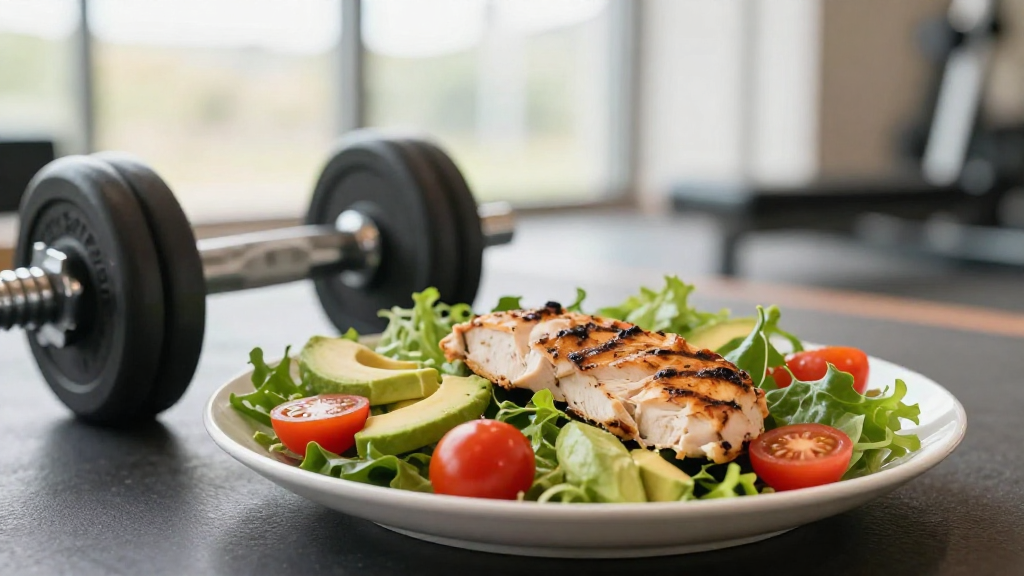
Fitness and nutrition are two sides of the same coin when it comes to achieving optimal health and physical well-being.
They complement each other and play a significant role in determining your overall success on the path to a healthier lifestyle.
What Is the Connection Between Fitness and Nutrition?
The connection between fitness and nutrition is crucial for anyone aiming to improve their health or achieve specific fitness goals.
1. Energy Supply
Nutrition provides the energy necessary for physical activity.
Without the right nutrients, your body may lack the fuel required for effective workouts.
- Carbohydrates serve as the primary energy source during high-intensity exercise.
- Protein is essential for muscle repair and growth.
- Fats play a crucial role in endurance activities.
2. Muscle Recovery
Fitness and nutrition go hand in hand when it comes to muscle recovery.
After a workout, your muscles need the right nutrients to heal and grow stronger.
- Protein-rich foods such as lean meats, fish, and dairy help repair muscle fibers.
- Antioxidant-rich fruits and vegetables can reduce inflammation and speed up recovery.
Without adequate nutrition post-exercise, you risk stalling your progress and increasing the chances of injury.
How Does Nutrition Influence Fitness Performance?
Nutrition directly influences fitness performance in several ways.
1. Enhanced Stamina and Endurance
Proper nutrition can enhance your stamina and endurance during workouts.
A balanced diet ensures that your body has enough energy to sustain prolonged physical activity.
For example, athletes consuming a diet rich in complex carbohydrates are more likely to outperform their counterparts who rely on processed foods.
2. Improved Focus and Concentration
Cognitive function is critical during workouts, and nutrition affects how well you concentrate.
Foods that promote brain health—such as omega-3 fatty acids found in fish—can enhance focus and decision-making during training sessions.
3. Weight Management
Nutrition is key for effective weight management, which directly impacts fitness levels.
Combining regular exercise with a well-balanced diet can lead to sustainable weight loss or muscle gain.
Incorporating fruits, vegetables, whole grains, and lean proteins can help you maintain a healthy weight while still supporting your fitness goals.
How Can You Combine Fitness and Nutrition for Better Results?
1. Meal Planning
Strategic meal planning can significantly elevate your fitness game.
- Plan your meals to incorporate a variety of nutrients.
- Consider pre-workout meals that contain carbohydrates for energy.
- Opt for post-workout snacks rich in protein to support recovery.
2. Stay Hydrated
Hydration is often overlooked but is a critical element that connects fitness and nutrition.
- Water is vital for digestion, nutrient absorption, and physical performance.
- Aim to drink at least 8-10 glasses of water daily, more if you’re engaging in vigorous workouts.
3. Monitor Nutritional Intake
Using apps or journals to monitor your dietary intake can help you make informed choices.
- This allows you to adjust your nutrition based on your fitness levels and goals.
- If you notice energy drops during workouts, consider increasing your carbohydrate intake.
What Foods Should You Focus on for Optimal Fitness and Nutrition?
1. Fruits and Vegetables
Fruits and vegetables are nutrient-dense and packed with vitamins and minerals.
- Aim for a variety of colors to get a broad spectrum of nutrients.
- Some top choices include spinach, blueberries, bananas, and sweet potatoes.
2. Lean Proteins
Incorporating lean proteins into your meals is essential for muscle repair.
- Chicken, fish, tofu, and legumes are excellent sources of protein.
- Balance your protein intake with healthy fats for better overall nutrition.
3. Whole Grains
Whole grains provide long-lasting energy due to their complex carbohydrate content.
- Quinoa, brown rice, and whole-grain bread can help sustain your energy levels during workouts.
- Avoid processed grains that can lead to quick energy spikes and crashes.
How Does Fitness Influence Nutritional Needs?
As your fitness levels change, so do your nutritional needs.
1. Increased Caloric Intake
When you engage in more intensive workouts or increase your activity level, your body requires more calories.
- This is essential for fuel and recovery.
- Monitor your intake and adjust based on how your workouts evolve.
2. Shift in Nutrient Ratios
Your macronutrient ratios (carbohydrates, proteins, and fats) may need to shift based on your fitness goals.
- For someone who is strength training, increasing protein intake is crucial.
- Endurance athletes may benefit from a higher carbohydrate ratio.
3. Timing Matters
The timing of your meals can greatly affect your performance and recovery.
- Eating a balanced meal about 2-3 hours before a workout can give you the energy needed for optimal performance.
- Consuming protein and carbs within 30 minutes post-workout can aid muscle recovery.
Why Is Consistency Key for Fitness and Nutrition?
Consistency in both fitness and nutrition is essential for long-term success.
1. Building Habits
When you consistently follow a nutrition plan and fitness routine, you build habits that contribute to a healthier lifestyle.
- Habit formation is critical; it takes about 21 days to establish a new routine.
2. Long-Term Health Benefits
Adopting a consistent approach to both fitness and nutrition can lead to various long-term health benefits, including:
- Improved heart health
- Better weight management
- Enhanced mental clarity
In conclusion, fitness and nutrition work together to create a balanced approach to health.
By understanding their connection, you can tailor your diet and workout plan to better achieve your individual fitness goals.
Always remember to listen to your body and make adjustments as needed.
Adopting a supportive lifestyle combining fitness and nutrition can lead to not only a healthier you but also a more fulfilling life overall.