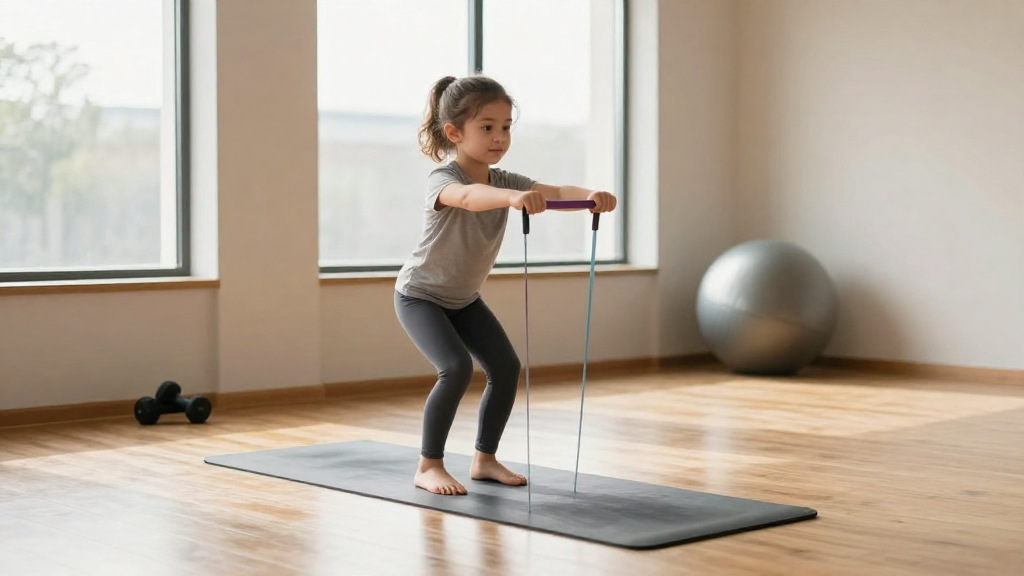
Starting a fitness journey can be both exciting and overwhelming.
Understanding what fitness for beginners entails is essential for developing a sustainable routine that promotes overall well-being.
What Is Fitness for Beginners?
Fitness for beginners refers to the initial steps individuals take to improve their overall health, strength, stamina, and flexibility.
This phase often involves setting realistic goals, learning about different types of exercises, and cultivating a positive mindset.
Why is Starting with a Plan Important?
Creating a plan is critical when venturing into fitness for beginners.
Here’s why:
- Goal Setting: Establish clear, achievable goals to keep you motivated.
- Structure: Provides a weekly workout schedule that balances various forms of exercise.
- Progress Tracking: A plan helps you monitor your improvements and stay on course.
What Are the Essential Components of Fitness for Beginners?
To ensure a well-rounded approach to fitness for beginners, concentrate on these fundamental components:
-
Cardiovascular Endurance
– Aim for activities like walking, running, cycling, or swimming.
– Start with 20-30 minutes of moderate-intensity exercise 3-5 times a week. -
Strength Training
– Incorporate bodyweight exercises such as squats, push-ups, and lunges.
– Focus on 2-3 days a week, allowing rest days in between. -
Flexibility and Mobility
– Consider practices like yoga or simple stretching routines.
– Dedicate time for flexibility exercises 2-3 times a week. -
Balance and Stability
– Integrate exercises that challenge your balance, like standing on one leg or using a balance board.
– Great for overall coordination and injury prevention.
How to Choose the Right Exercises?
Selecting the right exercises is crucial in your fitness for beginners journey.
Here’s how to go about it:
- Find What You Enjoy: Choose activities that excite you to maintain motivation.
- Start Slow: Gradually increase the intensity and duration of workouts to avoid injury.
- Mix It Up: Alternate between various types of exercises to work different muscle groups and prevent monotony.
What Equipment Do Beginners Need?
When starting out, you may not need much.
However, here are a few essentials that can enhance your experience:
- Comfortable Clothing: Invest in moisture-wicking clothes and supportive footwear.
- Yoga Mat: Great for stretching and bodyweight exercises.
- Dumbbells: Light weights are ideal for resistance training.
- Resistance Bands: Excellent tools for strength training and flexibility.
How Can Nutrition Support Fitness for Beginners?
Nutrition plays a fundamental role in your fitness for beginners.
Here are some essential tips:
- Balanced Diet: Focus on a diet rich in whole grains, lean proteins, fruits, and vegetables.
- Stay Hydrated: Drink plenty of water before, during, and after workouts.
- Limit Processed Foods: Reduce intake of sugary snacks and drinks to fuel your body with better nutrients.
How Often Should Beginners Exercise?
Finding the right frequency of workouts is crucial in fitness for beginners.
A good rule of thumb includes:
- 3-5 Cardio Sessions: Incorporate a mix of moderate and vigorous-intensity sessions.
- 2-3 Strength Training Days: Prioritize full-body workouts to build strength efficiently.
- 1-2 Rest Days: Allow recovery time for your muscles, preventing burnout and injury.
What Should Beginners Expect in Terms of Progress?
As you embark on your fitness for beginners journey, it’s crucial to manage expectations.
Typical progress markers include:
- Increased Stamina: Noticeable improvements in endurance levels after the first few weeks.
- Strength Gains: Resistance to fatigue and handling heavier weights over time.
- Flexibility Improvements: Enhanced range of motion and flexibility within the first month of stretching routines.
How Can Beginners Stay Motivated?
Staying motivated during your fitness for beginners journey is essential for long-term success.
Here are some strategies to help:
- Celebrate Small Achievements: Acknowledge your progress, no matter how minor.
- Workout Buddy: Partnering with someone can make exercising more enjoyable and accountable.
- Track Your Progress: Keeping a journal helps visualize your journey and maintains motivation.
What Common Mistakes Should Beginners Avoid?
Awareness of common pitfalls can significantly impact your fitness for beginners journey.
Here are a few mistakes to avoid:
- Skipping Warm-ups and Cool-downs: Always take time to prepare your body for exercise and gradually return to a resting state afterward.
- Overtraining: Listen to your body and avoid overexertion, resulting in burnout or injury.
- Neglecting Rest Days: Recovery is pivotal for muscle growth and overall health.
How to Adapt Workouts for Beginners?
Recognizing that everyone’s fitness level is unique is vital in your fitness for beginners journey.
- Listen to Your Body: Adapt exercises according to your current ability and comfort level.
- Modify Exercises: For difficult workouts, consider using simplified versions until you build strength and confidence.
- Progress Gradually: Increase weight, duration, and intensity slowly over time.
When Should Beginners Seek Professional Help?
While going it alone can be effective, sometimes seeking professional guidance is beneficial.
Consider consulting a personal trainer or a fitness coach if you:
- Need help with form and technique.
- Require personalized exercise programs.
- Seek accountability and motivation from a professional.
In Conclusion: Starting Your Journey
The path of fitness for beginners may seem daunting at first, but it can lead to a healthier and happier lifestyle.
By setting realistic goals, creating a balanced routine, and addressing nutrition, you can develop a sustainable approach to fitness.
Remember that patience is key; progress may take time, but with dedication, your health will flourish.
As you embark on this exciting journey, keep in mind that every step counts, and each workout brings you closer to your goals!