Choosing a commercial treadmill for running comes down to more than top speed. Serious runners need a sturdy frame, a responsive motor, a stable deck, and incline features that support real training goals.
Below, we’ve focused on models that prioritize durability, running comfort, and practical performance so you can find the right fit for home gyms, shared spaces, or higher-volume use.
Best 10 Commercial Treadmill for Running Picks for 2026
Premium Connected Runner
NordicTrack Commercial Series 12 MPH Foldable Treadmill

- Up to 12 MPH for running and interval work
- -3% decline to 12% incline for varied training
- 16-inch pivoting touchscreen with iFIT features
Best For: Runners who want guided workouts, incline variety, and a large display
Performance Value Pick
Horizon 7.4AT 12 MPH Commercial Treadmill
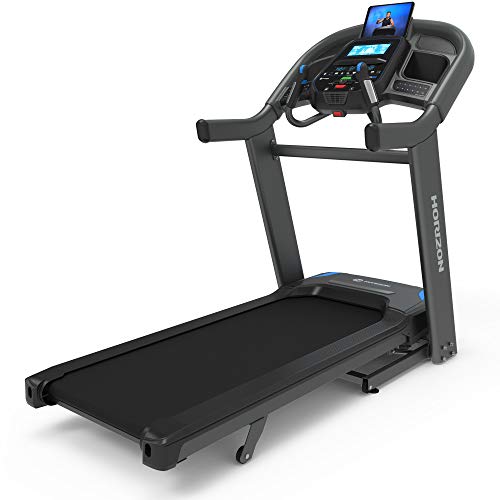
- 22 x 60-inch deck suits longer running strides
- 0.5 to 12 MPH with up to 15% incline
- QuickDial controls and no subscription required
Best For: Runners who want durable performance and fast controls without a membership
Premium Full-Feature Runner
NordicTrack Commercial 2450 14 MPH Treadmill
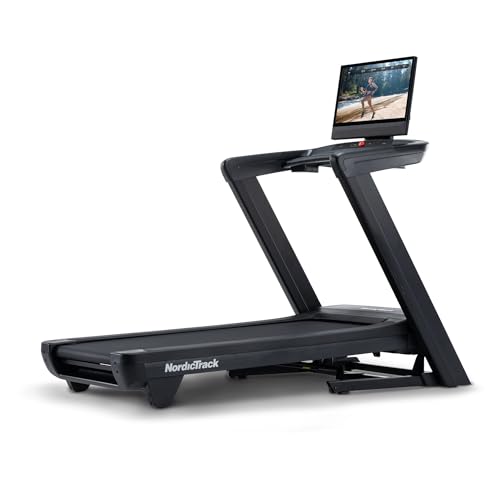
- 14 MPH top speed for faster running sessions
- 24-inch tilting and pivoting touchscreen
- SmartAdjust, ActivePulse, and 30 programs
Best For: Serious runners who want top speed and a larger connected display
Heavy-Duty Power Pick
UMAY 20% Auto Incline Heavy-Duty Treadmill

- 20% auto incline for steep hill workouts
- 400-pound capacity with 4.0 HP brushless motor
- 55 x 18-inch belt supports stable running
Best For: Heavier users who want strong incline training and a sturdy frame
Commercial-Grade Foldable Runner

- 0-12 MPH speed range for running workouts
- -3% decline to 12% incline for terrain training
- RunFlex cushioning and foldable frame
Best For: Runners wanting a foldable, app-connected treadmill with incline/decline training
Self-Powered Sprint Trainer
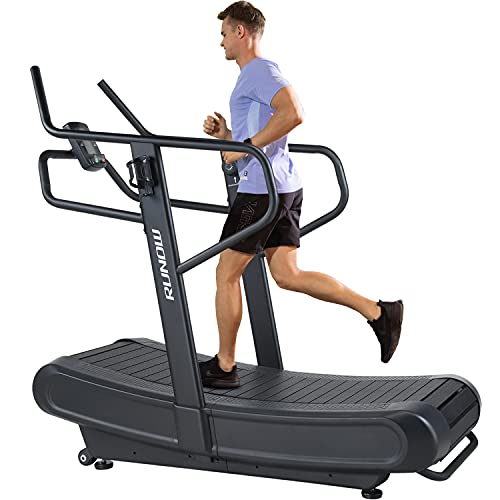
- Manual curved deck with self-paced running
- Up to 25 MPH and 4 resistance levels
- 450 lb capacity with LCD workout tracking
Best For: Athletes and runners who want a tough, non-electric sprint trainer
Compact Guided Runner

- 0-10 MPH for running and walking
- 0-10% incline with KeyFlex cushioning
- Foldable design with iFIT guided workouts
Best For: Home gym users who want a compact running treadmill with coaching features
Commercial-Grade Hill Trainer
Heavy Duty 500LB Incline Treadmill

- 4.5 HP motor with up to 12 MPH speed
- 20-level auto incline for hill training
- 20" x 50" belt and 500 lb capacity
Best For: heavy runners who want incline training and a wide, stable deck
Small Commercial Space Saver
WELLFIT 400LB Foldable Treadmill

- 4.0 HP motor with speeds to 8.7 MPH
- 15-level auto incline and 400 lb capacity
- Hydraulic folding with 95% pre-installed setup
Best For: small spaces that still need a heavy-duty incline treadmill
Wide Running Deck Performer

- 20" x 55" belt with room for longer strides
- 4.5 HP motor and 500 lb capacity
- 15% auto incline with pulse sensors and Bluetooth
Best For: runners who want a wide, high-capacity treadmill for home incline workouts
Premium Connected Runner – NordicTrack Commercial Series 12 MPH Foldable Treadmill
If you’re shopping for a commercial treadmill for running that still fits at home, this NordicTrack model leans hard into connected training and incline variety. It offers up to 12 MPH, a -3% decline to 12% incline range, and RunFlex cushioning to soften impact during longer sessions.
Best For: Runners who want a foldable treadmill with guided workouts, incline training, and a large touchscreen.
Pros:
- 0 to 12 MPH speed range supports walking, jogging, and running.
- -3% decline to 12% incline adds hill-style training options.
- 16-inch pivoting touchscreen is useful for workouts and streaming.
- RunFlex cushioning helps reduce joint impact.
Cons:
- iFIT Pro Membership is required for full connected features and content.
- Heavier build at 265.7 pounds, so moving it is less convenient.
- Best features depend on app-based ecosystem access.
Overall, this is a strong pick if you want a feature-rich running treadmill with a foldable frame and serious incline capability. It makes the most sense for buyers who plan to use the training software and want a more immersive home running setup.
Performance Value Pick – Horizon 7.4AT 12 MPH Commercial Treadmill
This Horizon treadmill is built for people who want a commercial treadmill for running without a subscription requirement. It pairs a 22 x 60-inch running surface with 0.5 to 12 MPH speed control, a 0 to 15% incline range, and QuickDial controls for fast changes during interval sessions.
Best For: Home runners who want a durable, app-connected treadmill with quick controls and no subscription.
Pros:
- 22 x 60-inch running deck gives plenty of room for running strides.
- 0.5 to 12 MPH speed range and 0 to 15% incline support varied workouts.
- QuickDial controls help make smooth mid-run adjustments.
- No subscription required for connectivity features.
Cons:
- Display is smaller than some premium commercial-style options.
- At 318 pounds, it is not easy to move once assembled.
- App and media features depend on Bluetooth and device pairing.
If you want a practical training treadmill with strong running specs and fewer ongoing costs, this Horizon stands out. Its combination of deck size, incline range, and responsive controls makes it well suited to steady runs and interval work.
Premium Full-Feature Runner – NordicTrack Commercial 2450 14 MPH Treadmill
For buyers focused on a commercial treadmill for running with more headroom, this NordicTrack raises the ceiling to 14 MPH and adds a 24-inch touchscreen. It also includes -3% decline to 12% incline, RunFlex cushioning, and SmartAdjust so the treadmill can change speed and incline in response to your workout history.
Best For: Serious runners who want higher top speed, a larger screen, and connected training tools.
Pros:
- 14 MPH max speed gives extra room for faster running workouts.
- 24-inch touchscreen is larger and tilts and pivots for viewing comfort.
- -3% decline to 12% incline supports terrain-style training.
- 30 programs plus SmartAdjust and ActivePulse add training variety.
Cons:
- iFIT Pro Membership is required for full connected features.
- Folded size is still substantial despite the foldable design.
- Premium features may be more than casual runners need.
This is the most advanced option in the group if you want speed, screen size, and training automation. It is a strong fit for runners who plan to use the connected features regularly and want a more polished in-home performance setup.
Heavy-Duty Power Pick – UMAY 20% Auto Incline Heavy-Duty Treadmill
If your priority is a commercial treadmill for running with serious incline and load capacity, the UMAY delivers a strong value mix. It uses a 4.0 HP quiet brushless motor, supports up to 400 pounds, and offers a 20% auto incline for hard hill-style workouts at home.
Best For: Heavier users and home runners who want high incline levels, quiet operation, and a sturdy belt.
Pros:
- 20% auto incline gives aggressive hill-training options.
- 400-pound weight capacity adds confidence for larger users.
- 55 x 18-inch belt provides a wide running surface.
- Quiet brushless motor is rated for low-noise operation.
Cons:
- 9.5 MPH max speed is lower than faster commercial-style treadmills.
- Designed more for incline training than top-end sprint pace.
- Simple setup lacks the premium touchscreen experience of some rivals.
The UMAY makes the most sense if incline and stability matter more than maximum speed. For runners who want a heavy-duty machine that can handle hard workouts and frequent use, it offers a practical, no-frills approach.
Commercial-Grade Foldable Runner – NordicTrack Commercial Series
If you want a commercial treadmill for running that feels more like a serious training machine than a basic home cardio unit, this NordicTrack Commercial Series model is built for that role. It supports speeds up to 12 MPH, offers a -3% to 12% incline range, and adds RunFlex cushioning to help soften impact during longer sessions.
Best For: Runners who want a foldable treadmill with high-speed training, incline/decline work, and connected coaching features.
Pros:
- 0-12 MPH top speed supports running, jogging, and walking workouts.
- -3% decline to 12% incline helps simulate hills and terrain changes.
- RunFlex cushioning is designed for more comfortable, lower-impact runs.
- Foldable frame makes it easier to manage in smaller home spaces.
Cons:
- Full iFIT functionality requires a Pro Membership.
- At 300 pounds, it is heavy and not meant to be moved frequently.
- Many advanced features depend on connected subscriptions and Bluetooth accessories.
This is a strong pick if your priority is a feature-rich running treadmill with real training range and a compact, fold-away design. It is especially appealing for users who want incline variety, app integration, and guided workouts in one machine.
Self-Powered Sprint Trainer – Curved Commercial Runner
This commercial treadmill for running is built for athletes who want a manual, high-effort training tool instead of a motorized deck. The curved design is self-generated, supports speeds up to 25 MPH, and includes four resistance levels for sprinting, jogging, and HIIT-style sessions.
Best For: Serious runners, athletes, and HIIT users who want a non-electric curved treadmill with a demanding training feel.
Pros:
- Manual curved design lets you control pace without waiting for acceleration or deceleration.
- Up to 25 MPH and 4 resistance levels support intense sprint work.
- LCD monitor tracks time, distance, calories, watt, speed, and pace.
- 450 lb capacity and commercial grade build suit heavy-duty use.
Cons:
- No motor means every workout relies entirely on your effort.
- The training feel is more demanding than a standard treadmill.
- Large steel build may be harder to place in small spaces.
If you want a treadmill that pushes output rather than guiding it, this curved model stands out. It is best suited to users who value raw conditioning, sprint work, and simple operation over entertainment-focused features.
Compact Guided Runner – NordicTrack T Series
For buyers looking for a commercial treadmill for running in a smaller home-gym package, this NordicTrack T Series model focuses on simplicity, cushioning, and guided training. It reaches 10 MPH, offers a 0-10% incline range, and uses KeyFlex cushioning to reduce joint impact during daily running workouts.
Best For: Home users who want a compact treadmill for running, walking, and incline workouts with guided iFIT training.
Pros:
- 0-10 MPH speed range covers walking, jogging, and running.
- 0-10% incline helps add variety and calorie-burning intensity.
- KeyFlex cushioning is designed to improve comfort and reduce impact.
- Foldable frame is practical for smaller spaces.
Cons:
- 10 MPH max speed is lower than more serious running-focused models.
- iFIT Train Membership is required for the full guided experience.
- 300 lb weight limit may be restrictive for some users.
This treadmill makes sense if you want a manageable, compact runner with useful incline options and app-guided workouts. It is more of a versatile home fitness machine than a hardcore commercial trainer, but it covers the core needs well.
Commercial-Grade Hill Trainer – Heavy Duty 500LB Incline Treadmill
If you want a commercial treadmill for running with extra stability, this model stands out for its 4.5 HP brushless motor, 20-level auto incline, and 20″ x 50″ running area. It is built for heavier use at home and gives runners a wide belt, strong frame support, and a console that tracks key workout data clearly.
Best For: runners who want a heavy-duty, incline-focused treadmill with a spacious belt and high weight capacity.
Pros:
- 20-level auto incline supports hill training and higher calorie burn.
- 500 lb capacity and reinforced steel frame add commercial-level stability.
- 20″ wide running belt gives room for natural strides.
- 8 spring shocks plus 6 silicone cushions help reduce joint impact.
Cons:
- Maximum speed tops out at 12 MPH, which may not suit elite sprint work.
- Foldable design is helpful, but the unit is still substantial at 130 lbs.
This is a strong option if your priority is a durable running platform with incline variety and a wider deck than many standard home treadmills.
Small Commercial Space Saver – WELLFIT 400LB Foldable Treadmill
For a commercial treadmill for running in a smaller home setup, this WELLFIT model balances power, incline, and storage convenience. Its 4.0 HP motor, 15-level auto incline, and 18″ x 43″ belt make it practical for walking, jogging, and running while still folding down when space is tight.
Best For: apartment or home users who want a compact heavy-duty treadmill with incline training.
Pros:
- 4.0 HP motor supports stable training up to 8.7 MPH.
- 15-level auto incline adds variety for climbing and calorie burn.
- 400 lb capacity and reinforced frame improve stability.
- Hydraulic folding design saves floor space and setup is 95% pre-installed.
Cons:
- Running speed maxes out below many higher-end running treadmills.
- 18″ x 43″ belt is usable, but smaller than full-size commercial decks.
This is a practical choice if you need a sturdier treadmill than a typical compact model but still want something easier to store in a home gym or apartment.
Wide Running Deck Performer – 15% Incline 500LB Treadmill
This commercial treadmill for running is designed for users who want a large belt, strong incline range, and dependable daily performance. With a 4.5 HP brushless motor, 10 MPH top speed, and 20″ x 55″ running area, it offers a roomy setup for steady runs and incline workouts at home.
Best For: runners who want a wide deck, incline training, and high-capacity support in a home treadmill.
Pros:
- 20″ x 55″ running belt provides generous room for stride length.
- 15% auto incline helps increase workout intensity and calorie burn.
- 500 lb capacity and 4.5 HP motor support heavy-duty use.
- Built-in pulse sensors, LED display, and Bluetooth speaker add convenience.
Cons:
- 10 MPH max speed is solid, but not aimed at advanced sprinters.
- No foldable design is noted in the supplied details.
If you want a large, stable running platform with useful incline and monitoring features, this model fits well as a serious home-training treadmill.
How We Picked the Best Commercial Treadmill for Running
For this roundup, we prioritized running-focused features that matter most in daily use: motor strength, deck length, stability at speed, incline range, user weight capacity, and overall build quality. We also looked for options that support both steady-state mileage and more demanding interval or hill workouts.
Quick Comparison
The best Commercial Treadmill for Running depends on how you train. Curved, non-electric models tend to suit sled-style conditioning and interval work, while motorized treadmills are better for pace control, incline training, and longer runs. Foldable designs can save space, but heavier frames usually offer better stability.
Key Buying Factors for a Commercial Treadmill for Running
Motor and Speed Range
Look for a motor that can handle sustained running, not just walking. A stronger motor generally means smoother performance, less strain during long sessions, and better support for repeated use.
Running Deck Size and Cushioning
A longer and wider belt gives runners more room to stride naturally. If you plan to run fast or use the machine frequently, prioritize deck length and a stable belt surface over compact convenience.
Incline and Training Variety
Incline is one of the most useful tools for building intensity without always increasing speed. For a Commercial Treadmill for Running, adjustable incline can help with hill repeats, power work, and calorie-burning sessions.
Weight Capacity and Frame Quality
Higher weight limits often signal a more robust frame and better long-term durability. That matters in commercial or high-use environments where the treadmill needs to stay steady under repeated impact.
Noise, Controls, and Connectivity
In shared spaces, quieter operation and easy-to-use controls improve the experience. Bluetooth, heart-rate tracking, and quick-adjust buttons can make workouts smoother, especially for interval training.
Who Should Buy Which Commercial Treadmill for Running?
Runners who want structured training and predictable pacing should lean toward motorized, incline-capable treadmills. If you value joint comfort and a more natural running feel, a cushioned deck may be the better choice.
For high-intensity conditioning, a curved treadmill can be a strong pick. For space-conscious buyers, foldable models make sense, as long as the frame still feels solid enough for your training volume. The right choice is the one that matches your running style, available space, and how hard you plan to use it.